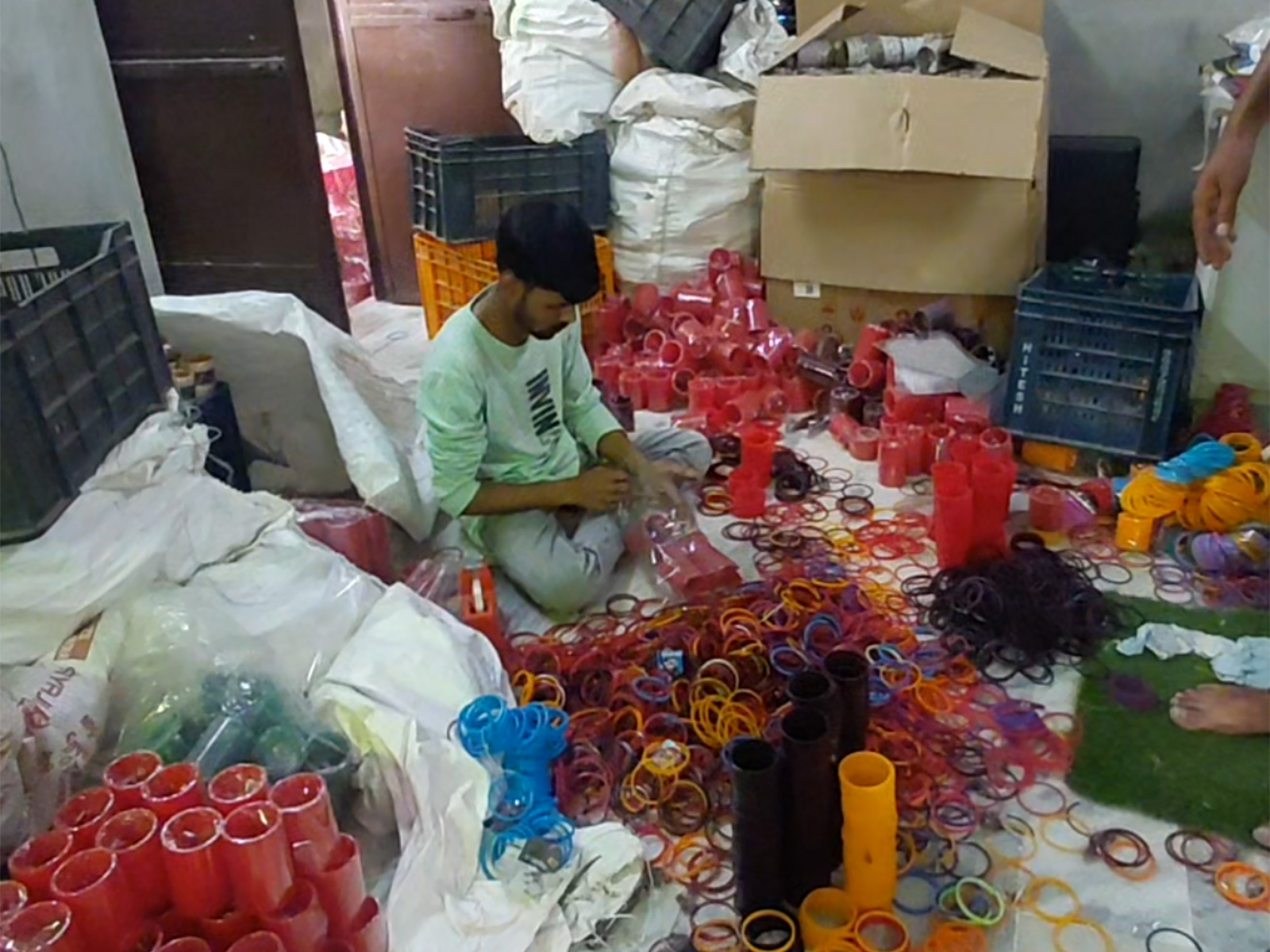
Rajasthan's Pali bangle industry: 100-year legacy driving women's self-reliance in Rajasthan
May 06, 2026
Pali (Rajasthan) [India], May 6 : The bangle industry in Rajasthan's Pali district, which traces its roots back nearly a century, has evolved into a large-scale manufacturing and livelihood ecosystem, empowering thousands of women and supplying products across India and abroad.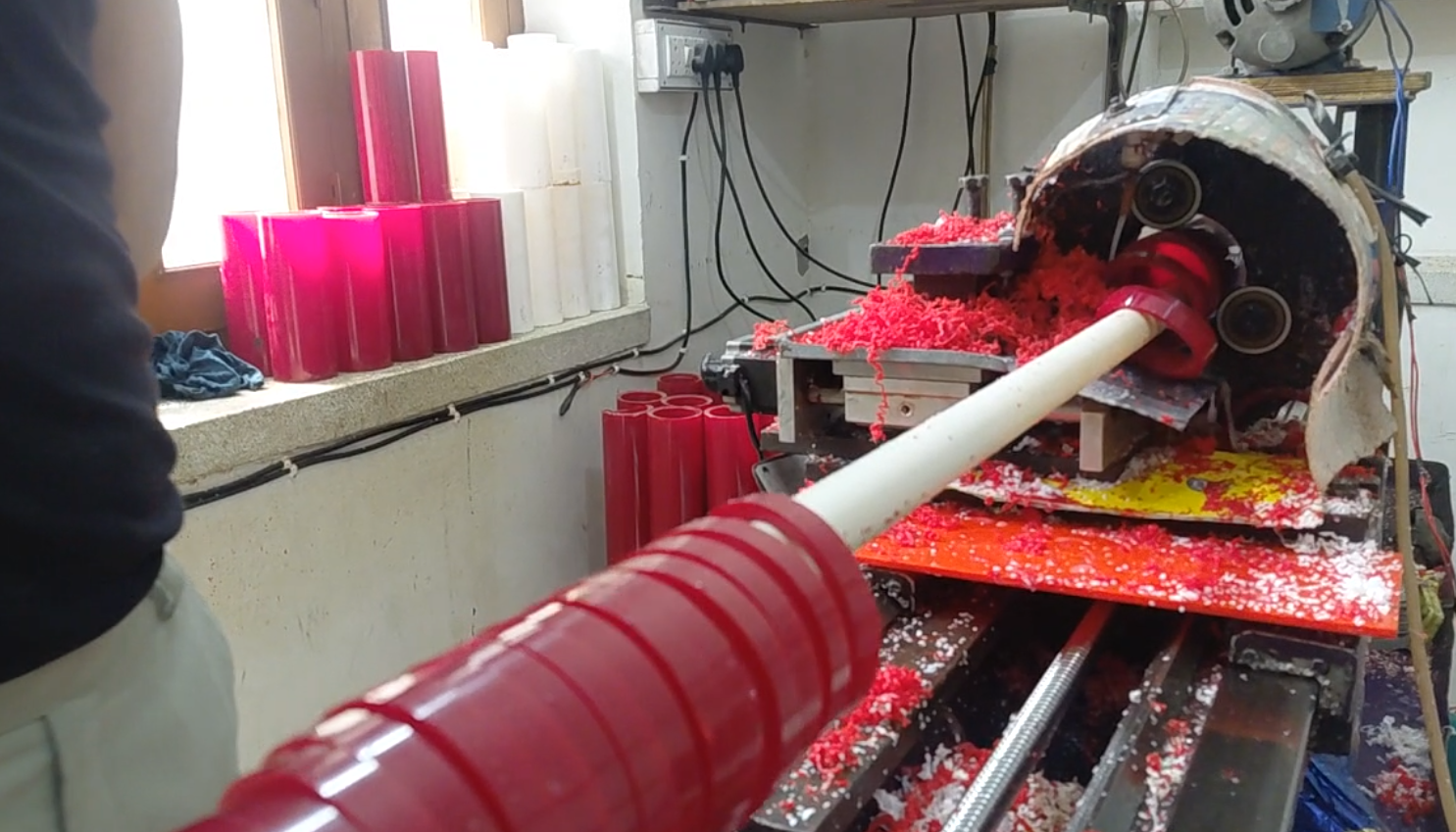
After the textile sector, the bangle industry in Pali is now considered the second-largest in its category in India.
What began as a small-scale craft nearly 100 years ago has expanded into a structured industry, with plastic bangles from Pali reaching markets in countries including Afghanistan and Pakistan, alongside widespread domestic demand.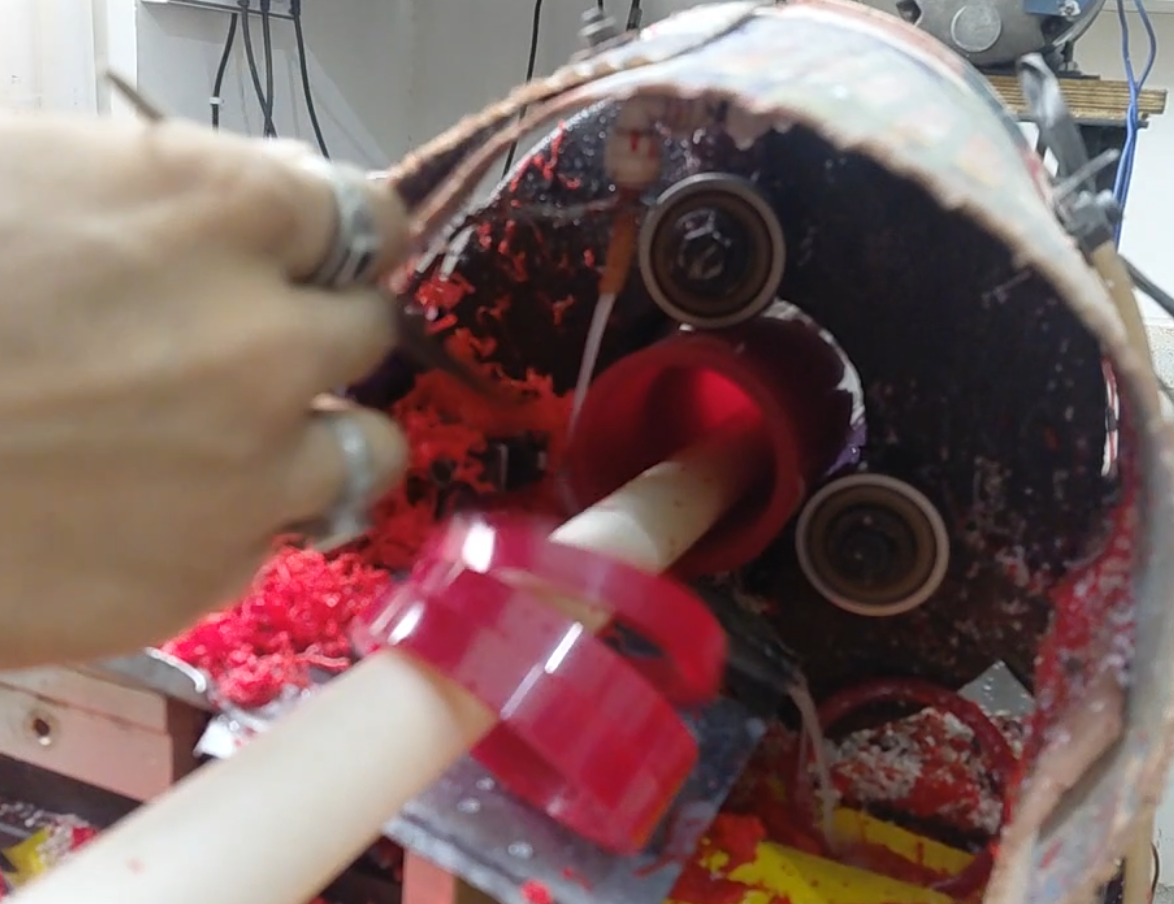
The trade was initiated around 1938 by Babu Bhai (Khan). In its early years, bangles were made using ivory and coconut shells before transitioning into modern materials and large-scale production.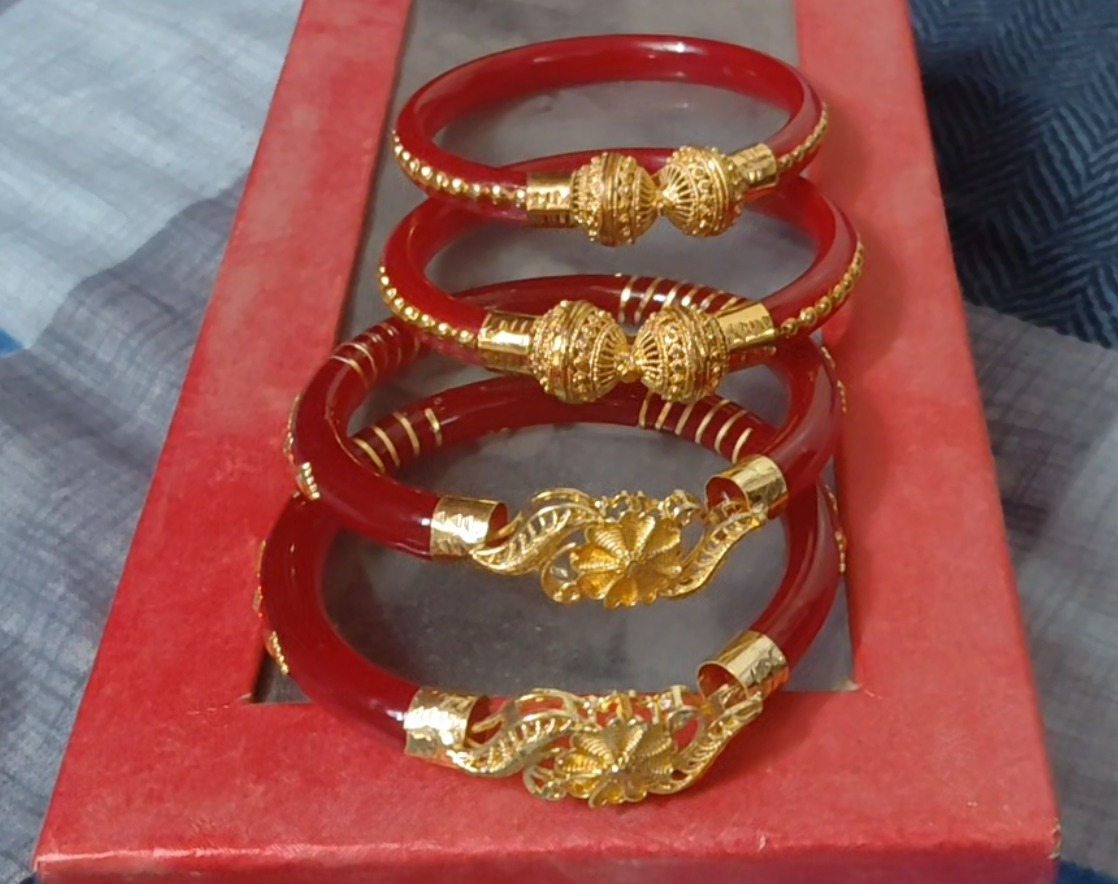
Speaking about the industry's evolution, Altaf, a bangle shop owner, said their "ancestors started making bangles in Pali around 1938. Initially, coconut bangles were common, followed by the popularity of modeled designs made from ivory. This continued for many years before eventually stopping."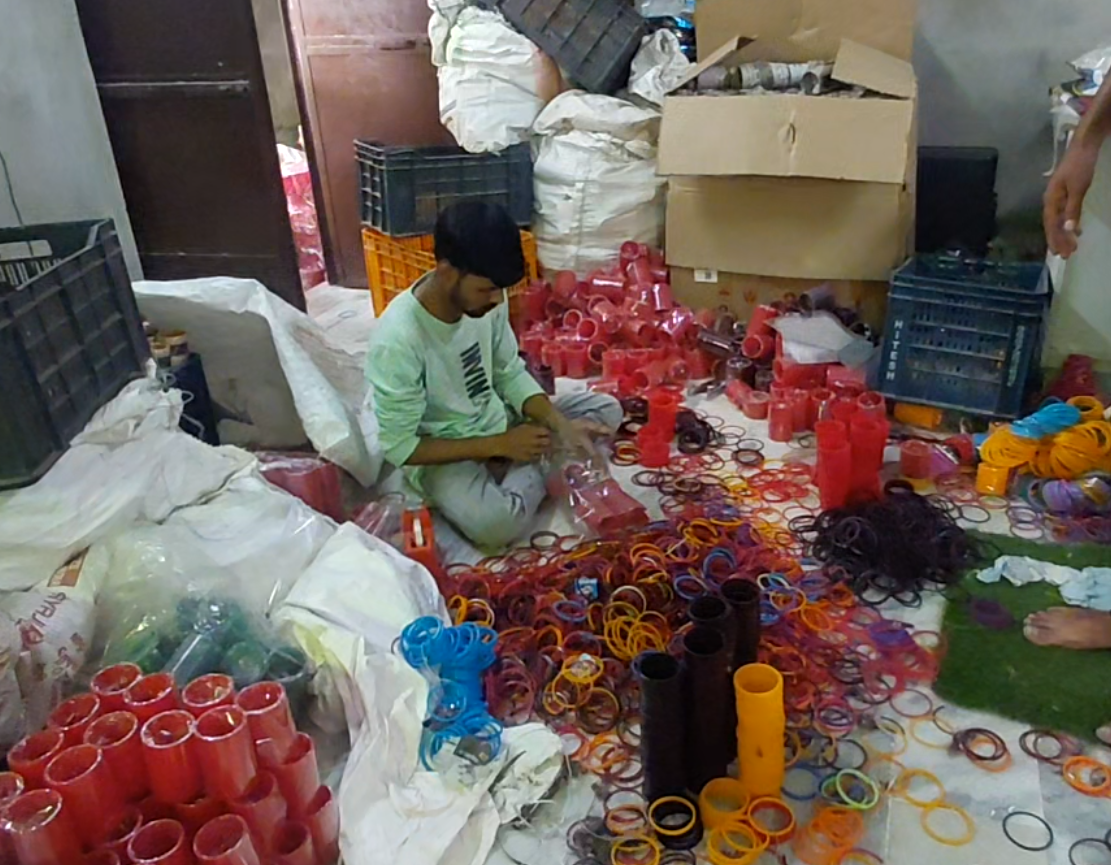
Later, his father, Babu, brought plastic acrylic sheets from Japan and started making bangles from them. Over time, the process evolved, and plastic pipes began to be used, making production easier through pipe cutting.
Today, around 1,000 factories are engaged in making bangle pipes and bangles. This industry provides business opportunities to thousands of traders and employment to lakhs of people.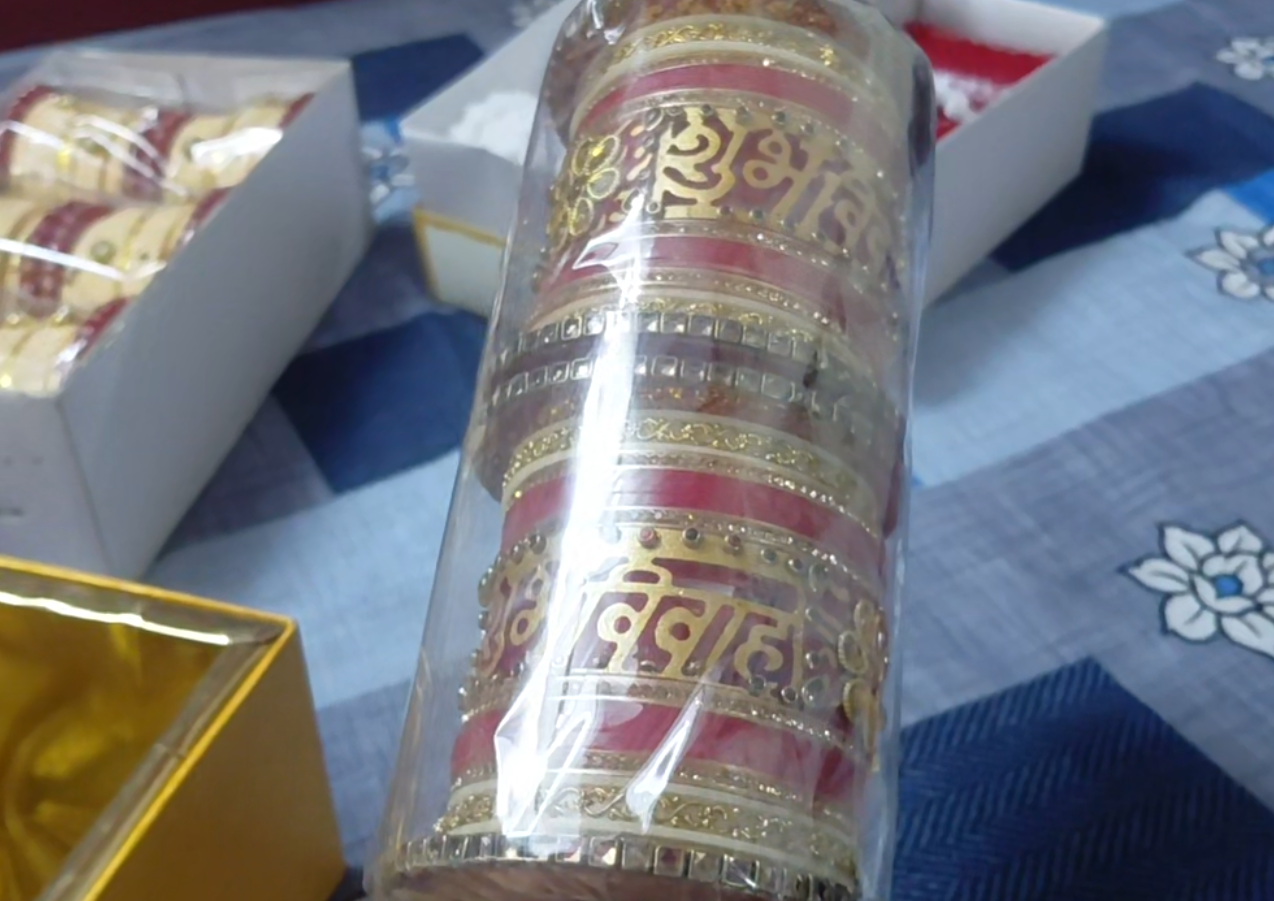
Housewives are also becoming self-reliant through this work. "Notably, no tax is levied on bangles after production. Pali's famous bangles are in demand in China, Japan, Afghanistan, Pakistan, and across India. Although exports to China have reduced recently, demand continues in other countries," he said, while speaking to ANI.
The manufacturing process today involves recycling plastic scrap into raw material, which is melted and converted into pipes. These pipes are then cut and shaped into bangles, which are further designed and decorated.
Mohammad Ayub Khan, a bangle trader, explained, "plastic scrap is first collected and melted to create raw material, which is then processed into pipes. These pipes are cut by hand to form bangles. After designing, they are sent to Pali city and nearby villages where women decorate them with stones and embellishments. This provides employment to women while also supporting the business. Women earn around Rs 9,000 to Rs 15,000 per month. The finished bangles are then packed and sold in Rajasthan and other states, where demand is high."
The industry also operates through a door-to-door distribution model, supporting home-based work for women.
Sajid Khan, a bangle supplier, said, "after cutting the bangles, they distribute them to women door-to-door. Women design and decorate them with stones and return them, for which they are paid. This creates good employment opportunities for women. The bangles are then cleaned, packed, and prepared for sale."
Highlighting the scale of production, Mohammad Talib Ali of Talib Traders said, "the history of bangles in Pali is over 100 years old, and the Chudighar community is credited as its originator. Every day, lakhs of bangles are supplied from Pali to all parts of India."
For many women in the region, the industry has become a stable source of income. Amina Banu shared her experience, saying, "she has become self-reliant through this business. After completing daily household work, she starts decorating bangles, working from around 10 am to 4 pm and preparing 3,000-4,000 bangles daily. She earns Rs 10,000 to Rs 12,000 per month from home, which helps cover school fees and household expenses."
Similarly, Anju Karim, another housewife engaged in the work, said, "after completing her daily routine, she makes bangles, producing around 1,000-1,200 bangles per day. She earns Rs 10,000 to Rs 12,000 per month, which helps her manage small expenses and her children's school fees without depending on others."
With nearly 1,000 factories operating in the district and lakhs of livelihoods connected to it, Pali's bangle industry continues to remain a significant contributor to both local employment and India's traditional manufacturing landscape.