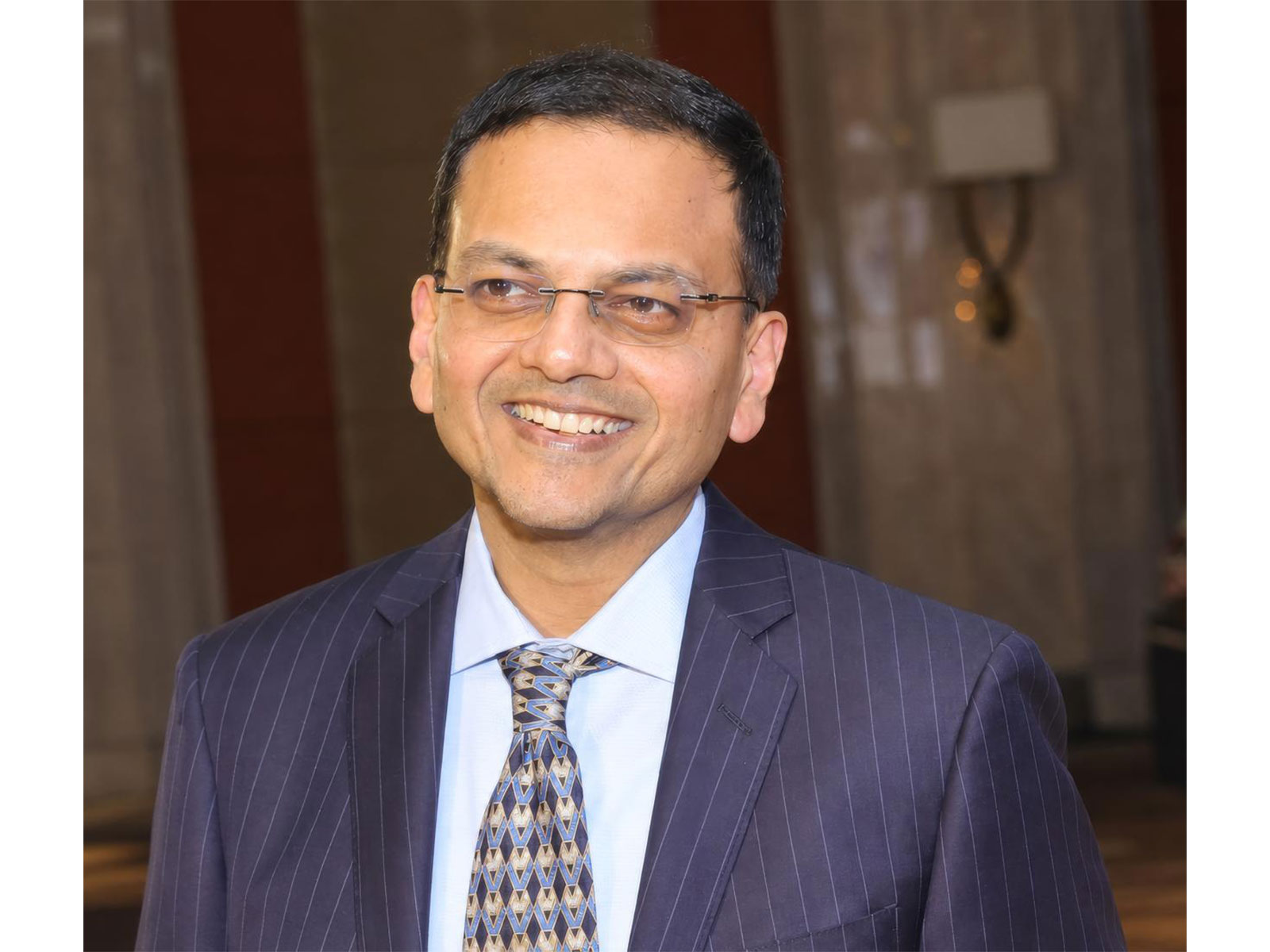
RBI Deputy Governor urges lenders to use AI, ML to spot early signs of borrower stress
Sep 03, 2026
Mumbai (Maharashtra) [India], September 3 : Reserve Bank of India Deputy Governor S C Murmu on Thursday called for greater use of artificial intelligence (AI) and machine learning (ML) tools by lenders to detect early signs of borrower stress, as credit growth gathers pace in the non-banking financial sector.
Addressing the 7th CII NBFC and HFC Summit, Murmu said lenders need rigorous stress testing, early warning systems and dynamic provisioning to manage asset-quality risks. He said AI and ML should be used more to identify signs of stress among borrowers.
“AI and machine learning tools should be used more to detect early signs of borrower stress,” Murmu said.
The RBI Deputy Governor cautioned that faster credit growth could also increase risks to asset quality and stressed that lenders must maintain strong underwriting standards.
“Growth must never come at the cost of underwriting standards,” he said.
Murmu said NBFCs and housing finance companies (HFCs) have evolved from alternative lenders into specialised, technology-driven institutions that complement banks by reaching underserved segments, remote areas and niche markets.
He said NBFC credit now stands at about 16.7 per cent of nominal GDP, compared with 15.9 per cent a year earlier. Their credit accounts for about 27 per cent of credit extended by scheduled commercial banks, up from 26 per cent a year ago.
The Deputy Governor said technology is changing not only how financial services are delivered but also how credit risk is assessed and managed. NBFCs have increasingly adopted paperless onboarding, algorithmic credit scoring and cash-flow-based lending.
He said digital public infrastructure such as the Unified Lending Interface (ULI) and Account Aggregator framework can help lenders reduce reliance on physical collateral and extend formal credit to MSMEs and microfinance borrowers.
Murmu also highlighted the need for stronger governance and liquidity management as NBFCs and HFCs expand. He said entities must diversify their funding sources, while a deeper corporate bond market could support their funding needs.
Securitisation should also develop beyond its role as a liquidity tool and become a means of genuine risk transfer and freeing up capital, he said.
On digitalisation, Murmu said innovation must not outpace customer protection. Conduct regulation, grievance redressal and responsible lending would remain priorities, while cyber resilience must stay a key focus as technology adoption deepens.
“The opportunities ahead of NBFCs and HFCs are real and large,” Murmu said, adding that the sector’s growth would be shaped by technology and trust.