RBI Governor says fintech has helped take banking from the branch to hands of citizens
Sep 08, 2026
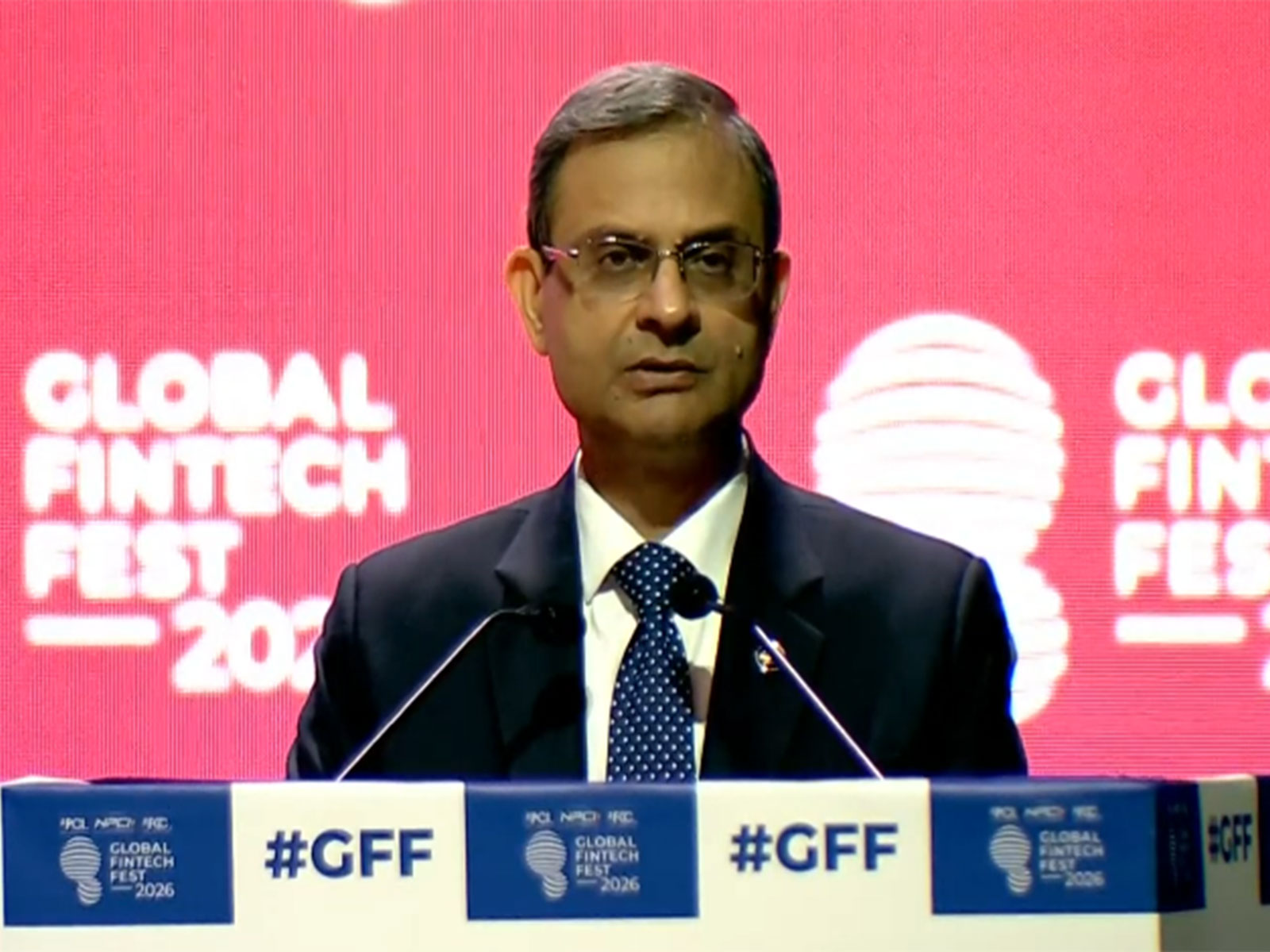
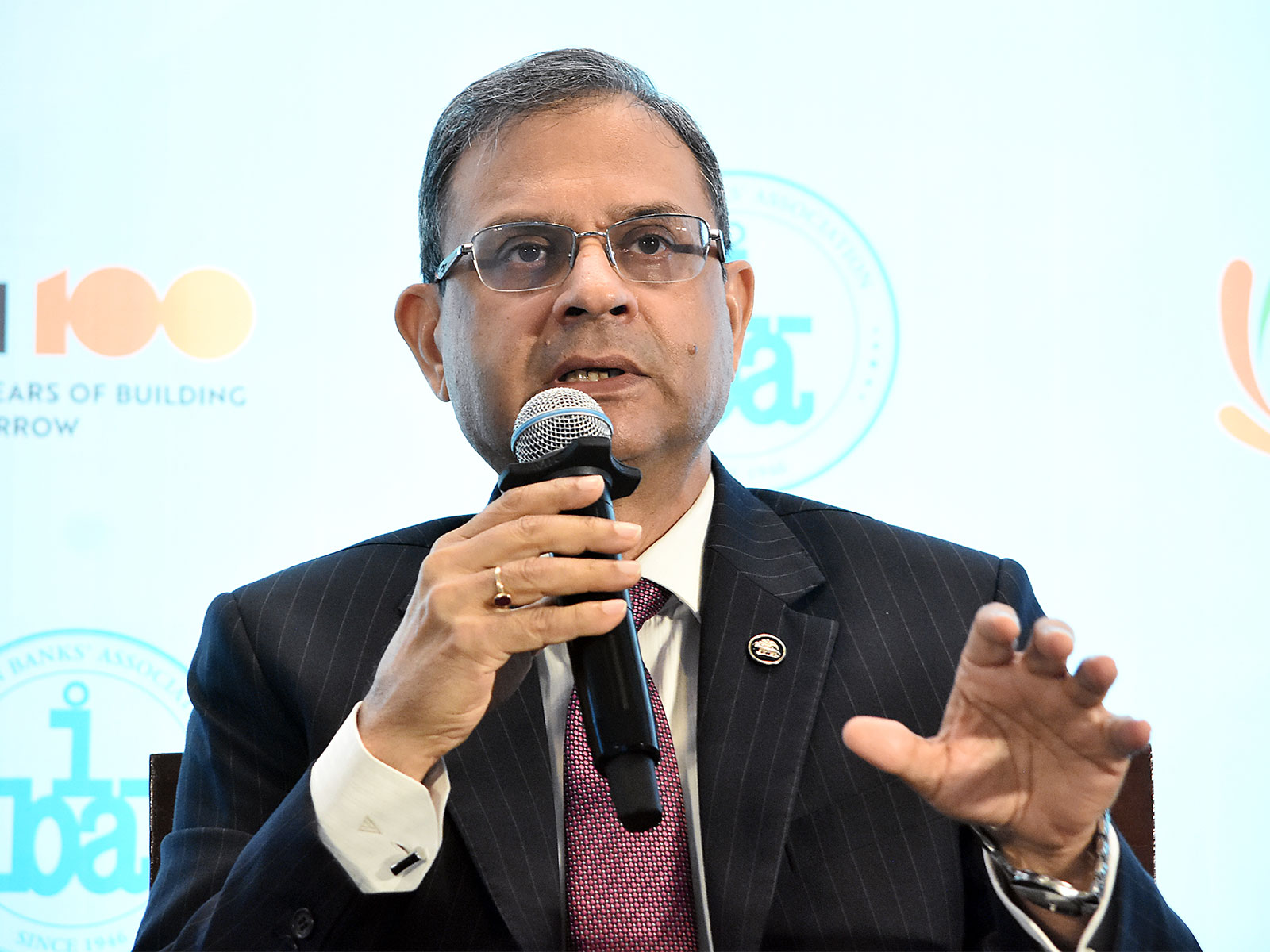
Mumbai (Maharashtra) [India], September 8 : The Reserve Bank of India (RBI) Governor Sanjay Malhotra has said that fintech has helped reshape the architecture of finance in the country over the past decade, taking banking "from the branch to the hand of every citizen."
Speaking at the Global Fintech Fest 2026 in Mumbai, the RBI Governor said that shopkeepers, farmers and young professionals across India now transact, save and borrow through common digital rails such as UPI, the Aadhaar-enabled payment system and the Jan Dhan ecosystem, calling this financial inclusion “not as a policy aspiration but as a lived, everyday reality for hundreds of millions of Indians."
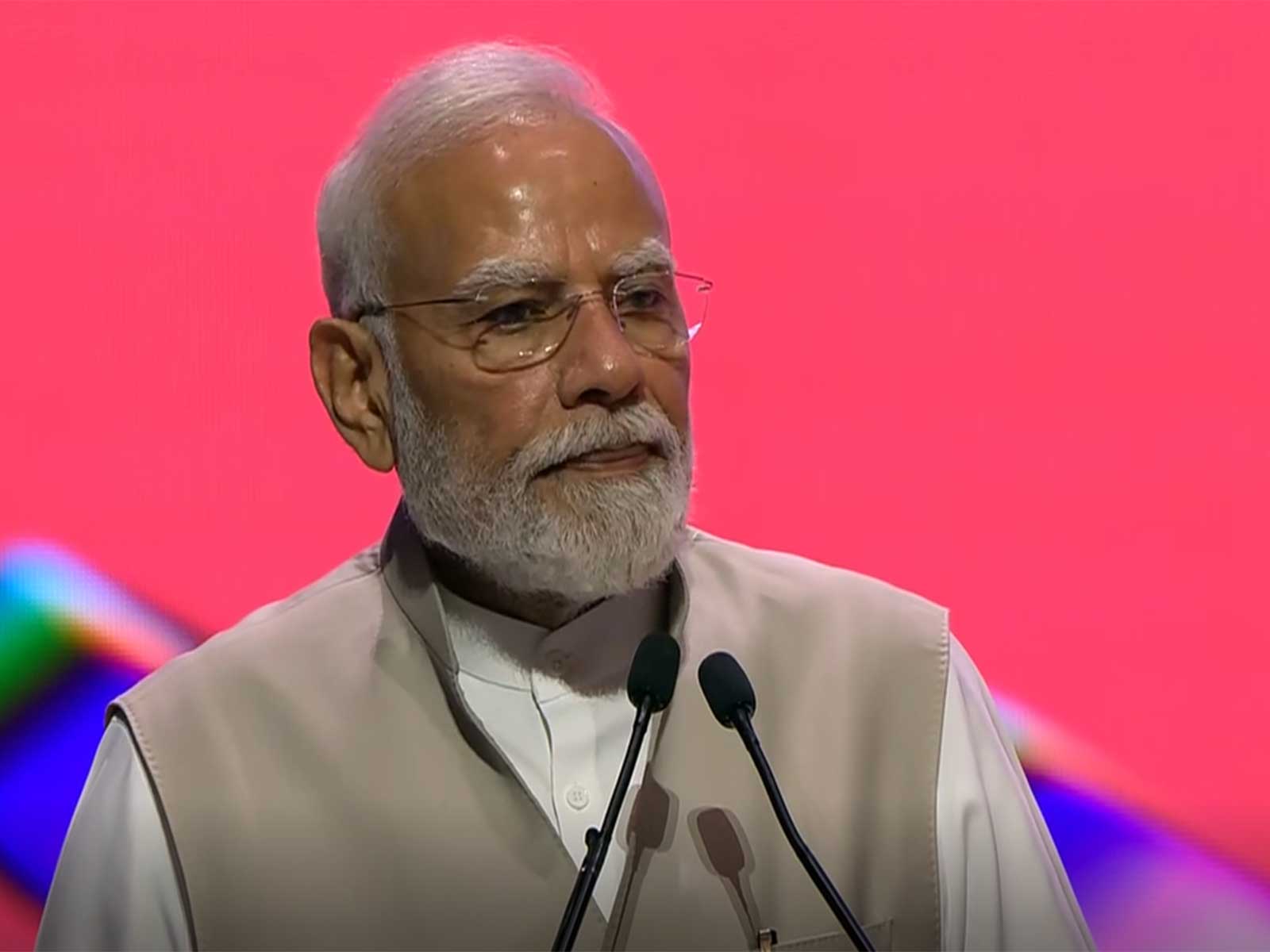
The Governor also referred to the presence of Prime Minister Narendra Modi and said his encouragement over the years reflects his deep commitment to technology and innovation in finance.
Highlighting fintech's role in improving efficiency across financial infrastructure, the Governor pointed to reduced account opening and payment settlement times, lower transaction costs, and stronger fraud detection through AI-driven analytics.
He said the impact was most tangible in credit delivery to Micro, Small and Medium Enterprises (MSMEs), where cash-flow based lending, account aggregators and platforms like the Unified Lending Interface (ULI) were helping extend formal, collateral-light credit to small businesses that had long remained outside traditional underwriting models.
"This is credit reaching the last mile of enterprises, powering jobs and livelihoods across the country," the RBI Governor said.
Malhotra reiterated that the RBI has consistently viewed fintech as a partner in building the financial system of the future, citing initiatives such as the Regulatory Sandbox, the Reserve Bank Innovation Hub, and structured dialogue with startups and other stakeholders.
He said the central bank had encouraged self-regulation in the sector, supported development of digital public infrastructure, and remained open to new ideas and players while promoting responsible innovation and safeguarding trust in the financial system.
"We will continue with this approach, guided by a vision to build a financial system that is safer, more trustworthy, inclusive, fair and efficient, and supports economic growth and public welfare," he said.