SC disposes of PIL on seat belt compliance, says enforcement of safety laws is key
Sep 16, 2026
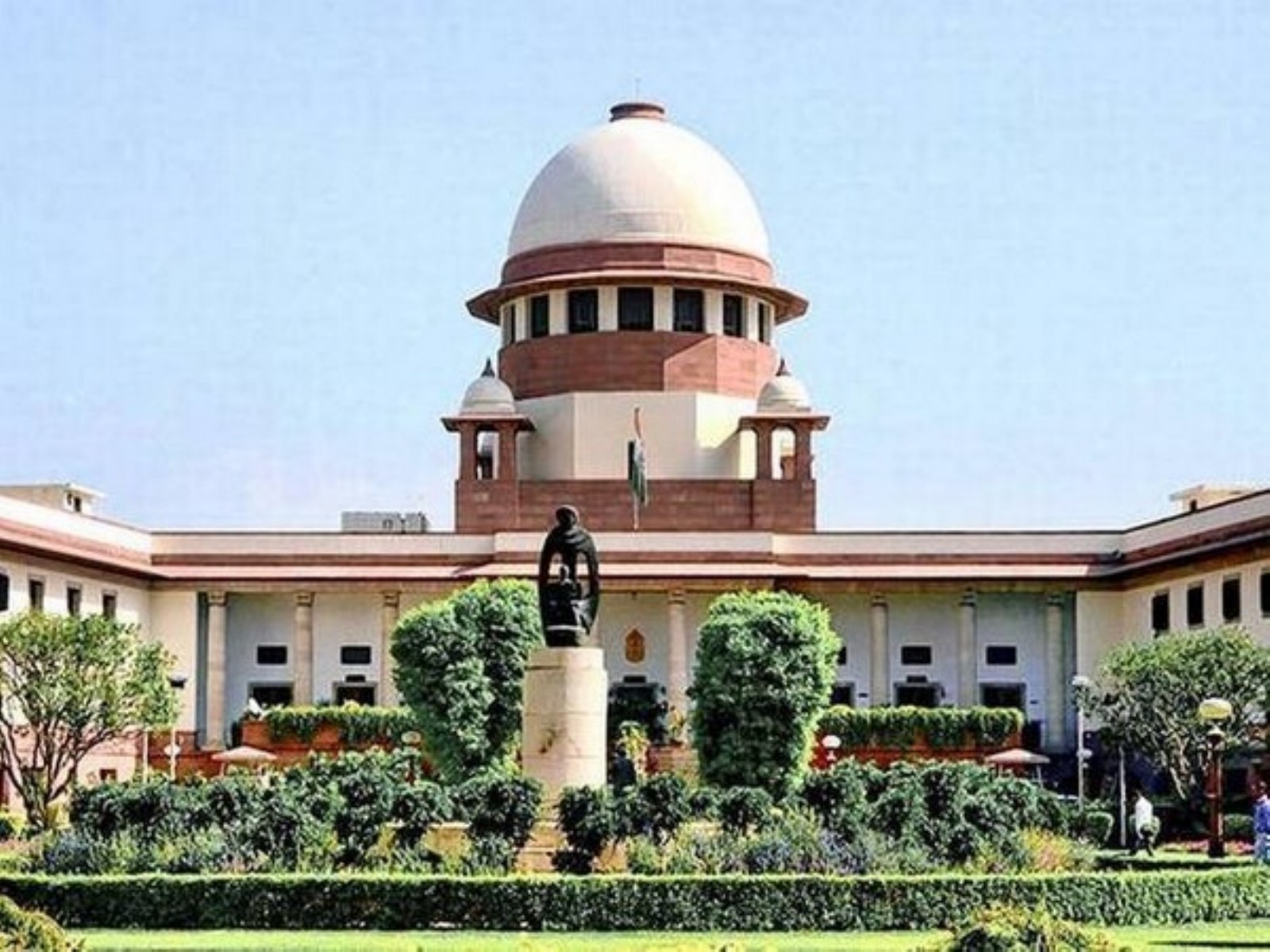
New Delhi [India], September 16 : The Supreme Court has closed a public interest litigation seeking effective enforcement of road safety norms, including mandatory seat belt use, child restraint systems and the provision of first-aid kits in vehicles, observing that the existing legal framework already mandates several such measures.
A bench of Chief Justice of India Surya Kant and Justices Joymalya Bagchi and V Mohana observed that existing laws already provide for mandatory compliance with several vehicle safety measures.
The apex court in its order passed on September 9 said the principal concern was their enforcement, rather than the absence of legal provisions.
“The fact that there are adequate laws for mandatory compliance with safety measures, including safety belts, etc., while the vehicle is in motion, is hardly disputable. The non-compliance with these laws by the passengers or the failure of law-enforcing agencies in taking appropriate action against defaulters is essentially a question of maintenance of law and order as well as traffic discipline. A judicial order by this Court reiterating the mandatory legal provisions per se will not aid in their enforcement,” the top court stated in its order.
While disposing of the plea, the bench granted the petitioner liberty to forward a copy of the petition to the Ministry of Road Transport and Highways for consideration of his suggestions and recommendations as road safety measures.
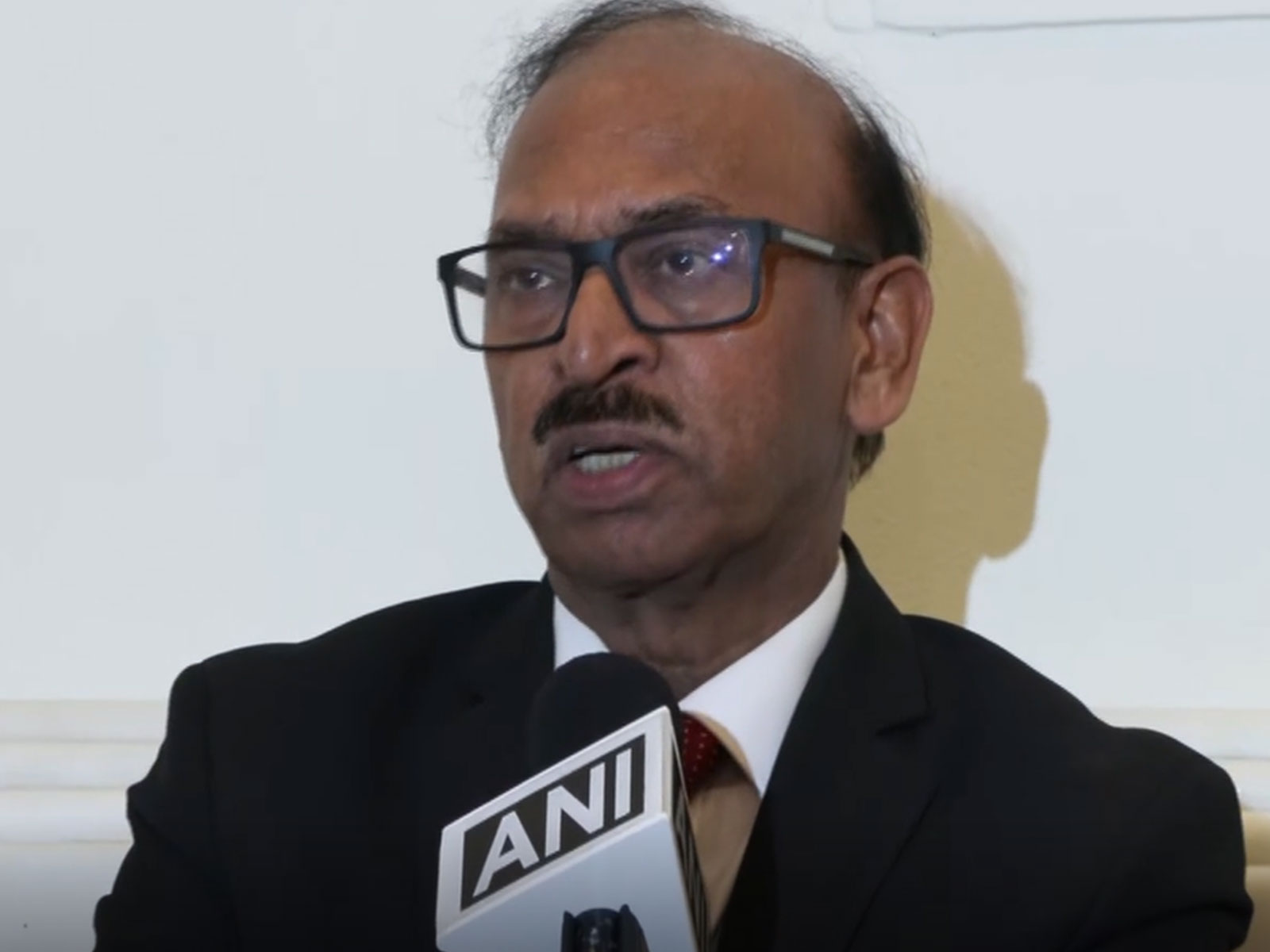
The PIL was filed by Dr Jothydev Kesavadev, described by the bench as an internationally acclaimed diabetic specialist and researcher with over 300 publications.
He relied on Section 194B of the Motor Vehicles Act, 1988, which provides for penalties relating to seat belt violations and requires children below the prescribed age to be secured through seat belts or child restraint systems.
The petitioner also referred to Rule 138(3) of the Central Motor Vehicles Rules, 1989, which requires specified occupants to wear seat belts while the vehicle is in motion.
He alleged that seat belt sockets in several vehicles were rendered non-functional through seat covers, removal of receptacles and other modifications.
The petition also highlighted the risks arising from non-compliance by passengers and inadequate enforcement by authorities.
The petitioner had earlier submitted a representation to the Union government in February, raising the concerns. As no response was received, he approached the Supreme Court under Article 32 of the Constitution.