SGPC, Akal Takht secretariat were not consulted while drafting anti-sacrilege law: BJP Punjab VP Fatehjung Bajwa
Jun 29, 2026
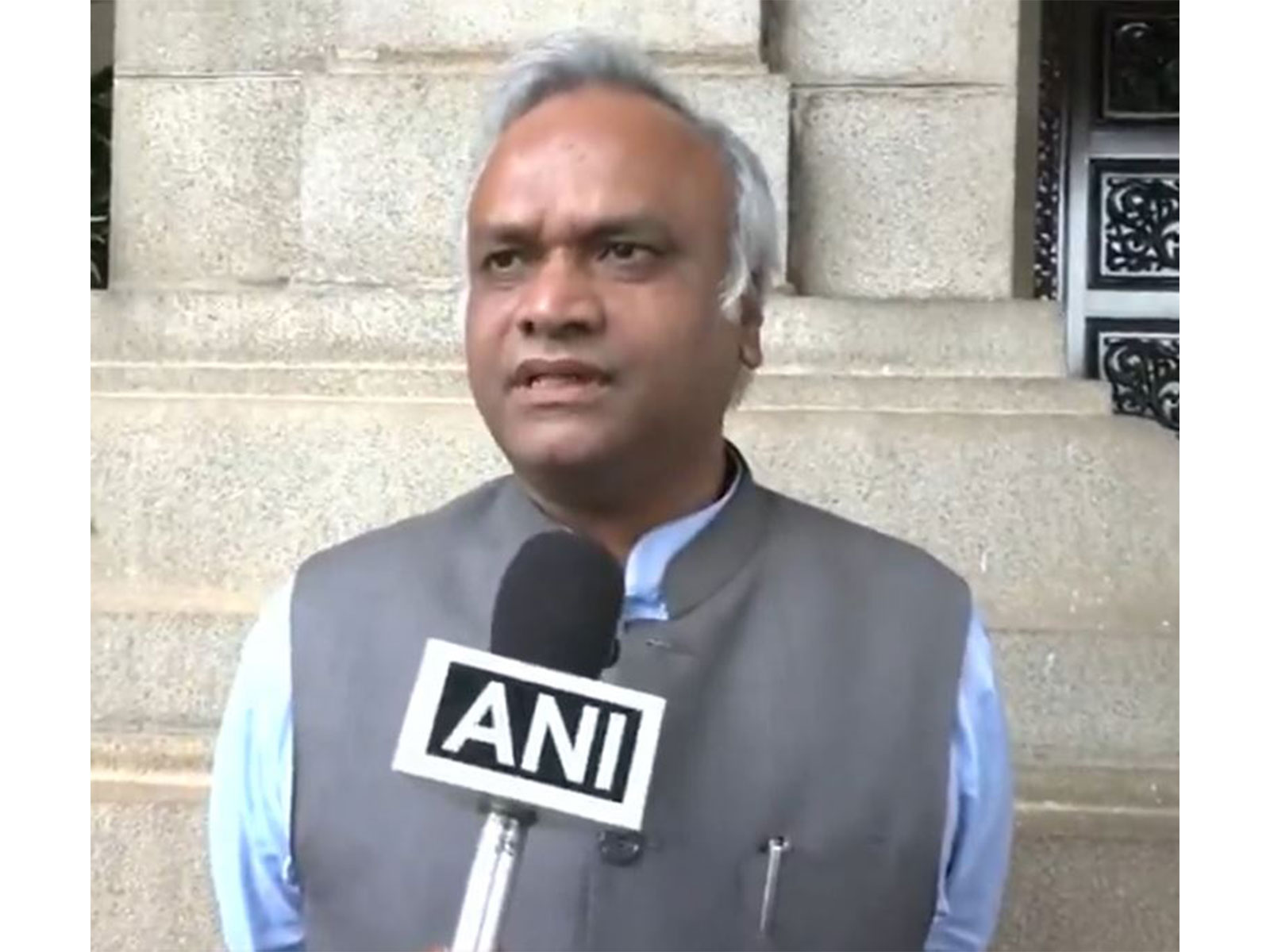
Chandigarh (Punjab) [India], June 29 : BJP Punjab Vice President Fatehjung Singh Bajwa on Monday said the Akal Takht had sought wider consultation on the Jagat Jyot Sri Guru Granth Sahib Satkaar (Amendment) Act, 2026, alleging that the legislation contained several shortcomings as key Sikh institutions were not consulted during its drafting.
Speaking to ANI after Sikh MLAs and Punjab Cabinet ministers appeared before Shri Akal Takht Sahib over the anti-sacrilege law, Bajwa said the Jathedar had directed the Punjab government to prepare a revised law in consultation with all stakeholders.
"The Jathedar Sahib had summoned Sikh MLAs from all political parties to the Akal Takht Sahib to discuss the new law regarding sacrilege, as the legislation contained several flaws," Bajwa said.
He alleged that although a committee comprising Sikh leaders from different political parties had been constituted during the drafting process, neither the Shiromani Gurdwara Parbandhak Committee (SGPC) nor the Akal Takht secretariat was consulted.
" Everyone attended to deliberate on these issues... a committee had been formed, involving Sikh leaders from all political parties, to offer their views while the law was being drafted. The Shiromani Gurdwara Parbandhak Committee (SGPC) was not consulted, nor was there any coordination with the Akal Takht Jathedar's secretariat, resulting in numerous shortcomings within the law. The Jathedar Sahib directed that a revised law be drafted within a month in consultation with all stakeholders to ensure no loopholes remain... religious framework and how it is structured should be kept separate from politicians," Bajwa said.
Bajwa further alleged that the Aam Aadmi Party (AAP) government introduced the legislation to cover up its failure to fulfil earlier promises on sacrilege cases.
"Since the Aam Aadmi Party government had made grand promises to the public, vowing to ensure punishment for acts of sacrilege and claiming they knew exactly who was responsible and could resolve the matter within a week, they introduced a draft bill to enact new legislation as a way to mask their failure to deliver on those earlier pledges," he said.
His remarks came after Punjab Finance Minister Harpal Singh Cheema said the Akal Takht had granted the Punjab government one month to reconsider and amend the Jagat Jyot Sri Guru Granth Sahib Satkaar (Amendment) Act, 2026, in line with Sikh sentiments.
Cheema said the Jathedar had proposed certain amendments, which would be conveyed through the Punjab Assembly Speaker, following which the government would deliberate and take a decision within a month.
Punjab Assembly Speaker Kultar Singh Sandhwan said a detailed discussion had taken place between the legislators and the Jathedars but declined to disclose its contents, citing the dignity and decorum of the institution.
Jathedar Giani Kuldeep Singh Gargajj said the Punjab government had been given one month to re-amend the legislation in accordance with Sikh sentiments. He added that all Sikh MLAs and Cabinet ministers present at Sri Akal Takht Sahib agreed to amend the law and that the meeting was held in a cordial atmosphere.
All Sikh MLAs and Punjab Cabinet ministers appeared before Sri Akal Takht Sahib after they were summoned over the anti-sacrilege law. During the proceedings, they agreed to amend the legislation in accordance with Sikh sentiments and accepted the directives issued during the congregation.
On Sunday, Punjab Chief Minister Bhagwant Mann had announced that all AAP MLAs would appear before the Akal Takht, saying the temporal authority remained supreme for him. The Akal Takht had sought an explanation over how legislation concerning Sikh religious affairs was passed without consultation.
The Jagat Jyot Sri Guru Granth Sahib Satkaar (Amendment) Act, 2026, was passed unanimously by the Punjab Assembly on April 13. The legislation amends the 2008 Principal Act and provides for life imprisonment in cases involving criminal conspiracy related to sacrilege of the Saroops of Guru Granth Sahib with the intention of disturbing peace or communal harmony, along with fines ranging from Rs 5 lakh to Rs 20 lakh.
The Act also prescribes imprisonment of up to 20 years and fines between Rs 2 lakh and Rs 10 lakh for offences of sacrilege, while other offences under the Act attract imprisonment of up to five years and fines up to Rs 10 lakh. It also mandates the SGPC to maintain a Central Register of all Saroops and lays down duties for custodians to ensure their protection and immediate reporting of any damage or suspected sacrilege.