Tehran always prepared for talks; US engages only when it serves its interests: Iran's Consul General dismisses back-channel negotiations reports
Aug 20, 2026
Mumbai (Maharashtra) [India], August 20 : Iran on Thursday said it has always been prepared for negotiations and dialogue with the United States to end the West Asia conflict that began on February 28, but stated that Washington pursues talks with the Islamic Republic only when it serves its interests
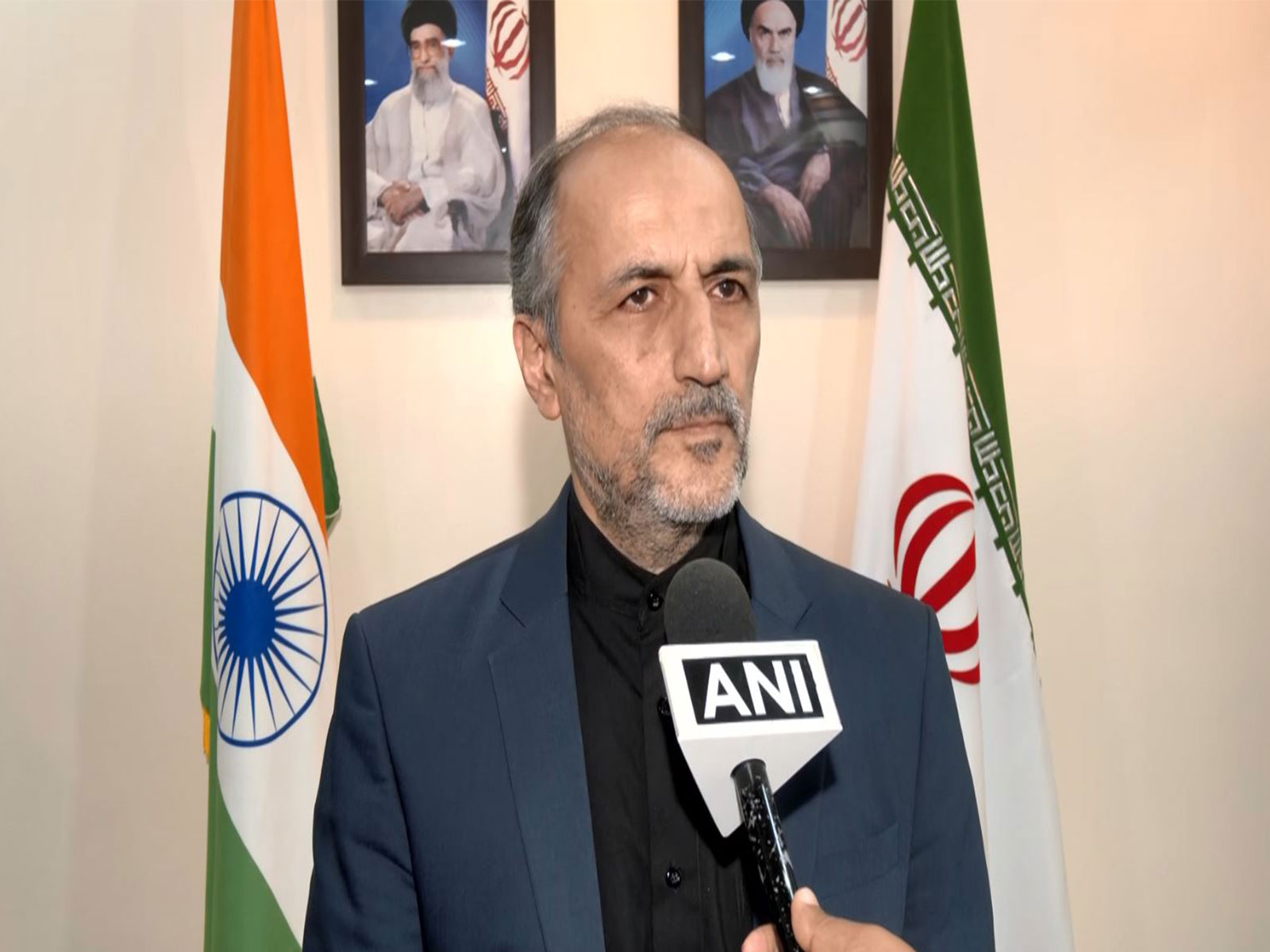
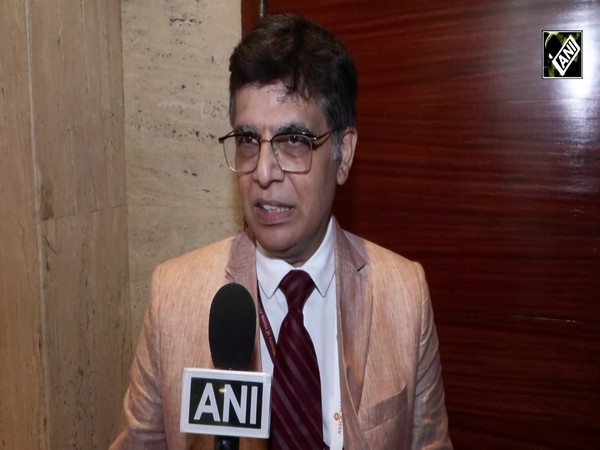
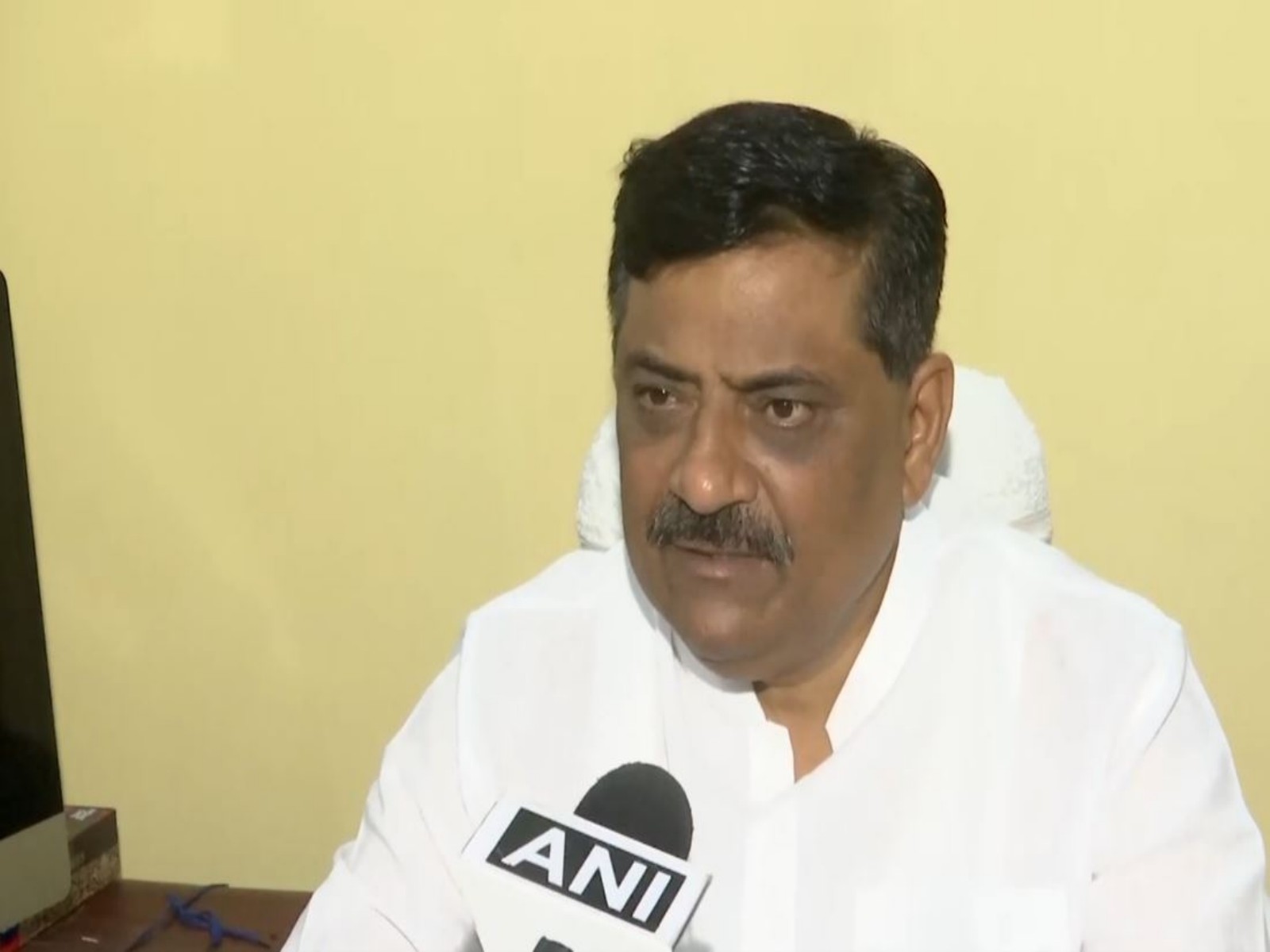
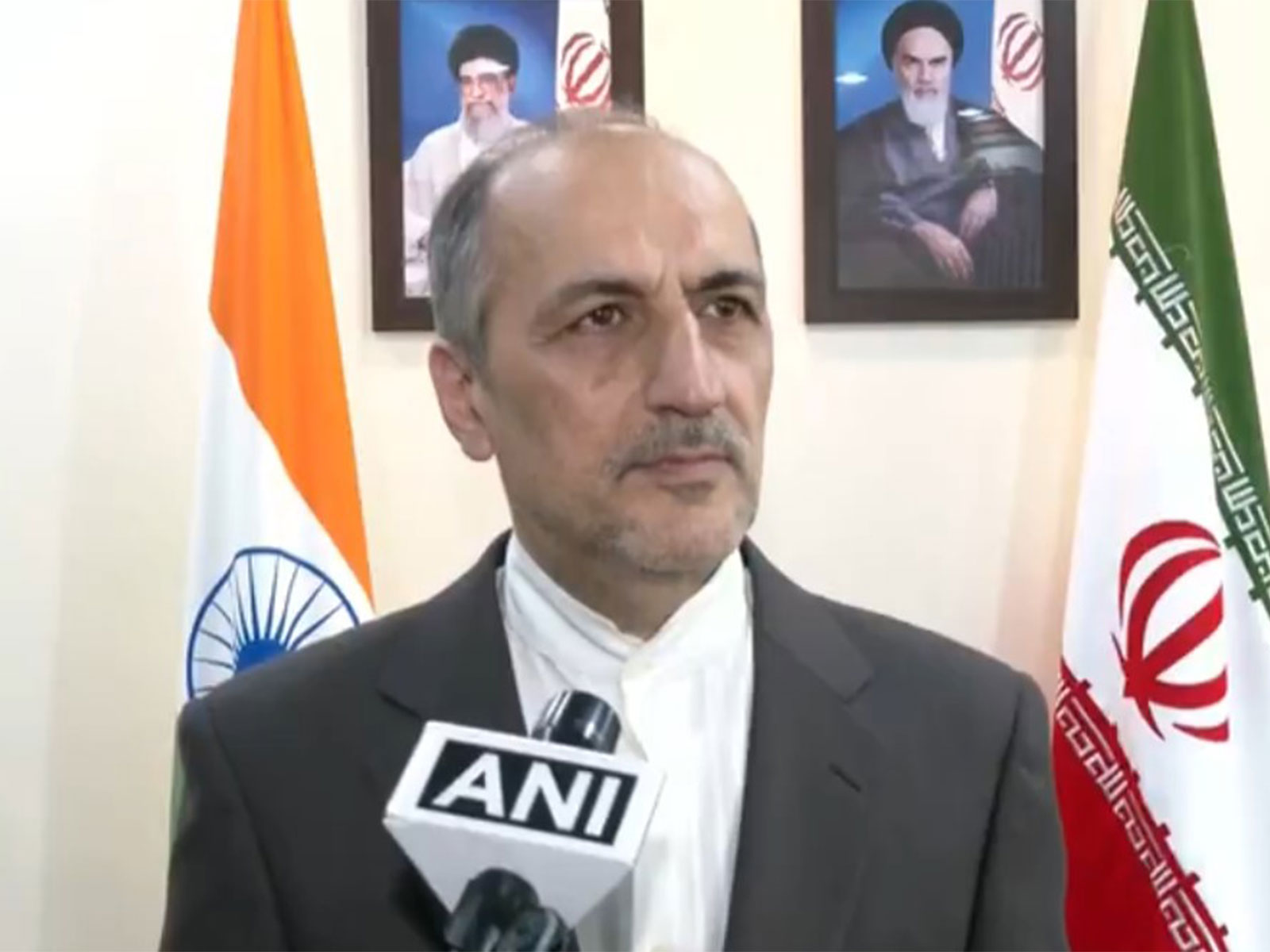
Iran's Consul General in Mumbai, Saeid Reza Mosayeb Motlagh, while dismissing reports of direct or back-channel negotiations between Tehran and Washington, said that Tehran remained committed to dialogue, while maintaining that certain conditions must be met for negotiations with the US to be meaningful, productive and capable of delivering results.
"Iran has always stated that it is prepared for negotiations and dialogue. Unfortunately, the United States has declared itself ready for talks whenever it has served its interests, using negotiations as a pretext for launching renewed attacks and another war," Motlagh told ANI.
He said Iran was aware of Washington's approach but would continue to remain committed to dialogue.
"Nevertheless, because it has made a commitment to itself to remain committed to dialogue, it is always prepared for negotiations," the Iranian diplomat said, adding that the necessary conditions must be fulfilled before Tehran can engage in meaningful talks.
On Iran's conditions for resuming negotiations with the United States, Motlagh said Tehran had already outlined a number of demands, some of which were close to those contained in the 14-point Memorandum of Understanding signed between the two countries in June aimed at ending the hostilities in West Asia and opening channels for technical talks to find a complete solution to end the conflict.
He said the US must end its acts of aggression over Iran and destabilising actions in the region, particularly as Washington continues to increase its military presence there.
"The United States must end its acts of aggression and destabilising actions in the region, despite the fact that it is increasing its military presence there," Motlagh said.
He added that other conditions outlined in the understanding and currently being considered by the Iranian government would also have to be fulfilled.
Motlagh linked the fulfilment of these conditions to the reopening of the Strait of Hormuz, saying normal shipping and transportation through the strategic waterway could resume once the requirements were met.
On reports of indirect or back-channel negotiations between Iran and the US, Motlagh said there were no direct negotiations between the two sides "in the conventional sense".
He, however, acknowledged efforts by intermediary countries to convey messages between Tehran and Washington and facilitate communication in an attempt to find a peaceful solution.
"There is not, in the conventional sense of the word, a direct negotiation between Iran and the United States. However, intermediary countries and those engaged in mediation are trying, by conveying messages between the two countries and facilitating communication and dialogue, to find a peaceful solution and keep the region away from war," he said.
Motlagh alleged that US conduct had so far prevented mediation efforts from producing results.
"Unfortunately, despite the positive efforts being made by these countries, we are seeing that the United States, through its poor conduct and actions contrary to international law, has so far prevented these efforts from producing results," he said.
The remarks came after US President Donald Trump said on Tuesday that the situation with Iran was "so good" and indicated that talks with Tehran could resume "maybe at some point", while reiterating that Iran must not be allowed to possess nuclear weapons.
Asked whether the US would reopen talks with Iran, Trump said, "Maybe at some point, but right now I think the situation is so good."
Trump also said Iran "cannot have a nuclear weapon" and claimed that the US would not allow Tehran to acquire one.
His remarks came amid continuing tensions between Washington and Tehran over the Strait of Hormuz, a critical global energy transit route.
On the waterway, Trump claimed that the US had "complete control" of the Strait and said a large number of vessels had passed through it. He also said oil supplies had continued despite tensions in the region.
Trump's comments came amid reports that the US negotiating team had been asked to pause talks with Iran until Tehran was "ready to make a deal".
The development followed conflicting statements from Washington and Tehran over the status of the Strait of Hormuz.
Iranian Parliament Speaker Mohammad Bagher Ghalibaf, meanwhile, has said Tehran would not reopen the Strait until the United States fulfils commitments under a 14-point MoU, including lifting the blockade, releasing frozen Iranian assets and easing oil sanctions.
The Strait of Hormuz has remained at the centre of tensions between Washington and Tehran, with both sides continuing to issue differing statements over negotiations and the status of the key waterway.