Trump offers Democrats immigration, tax talks
Nov 07, 2026
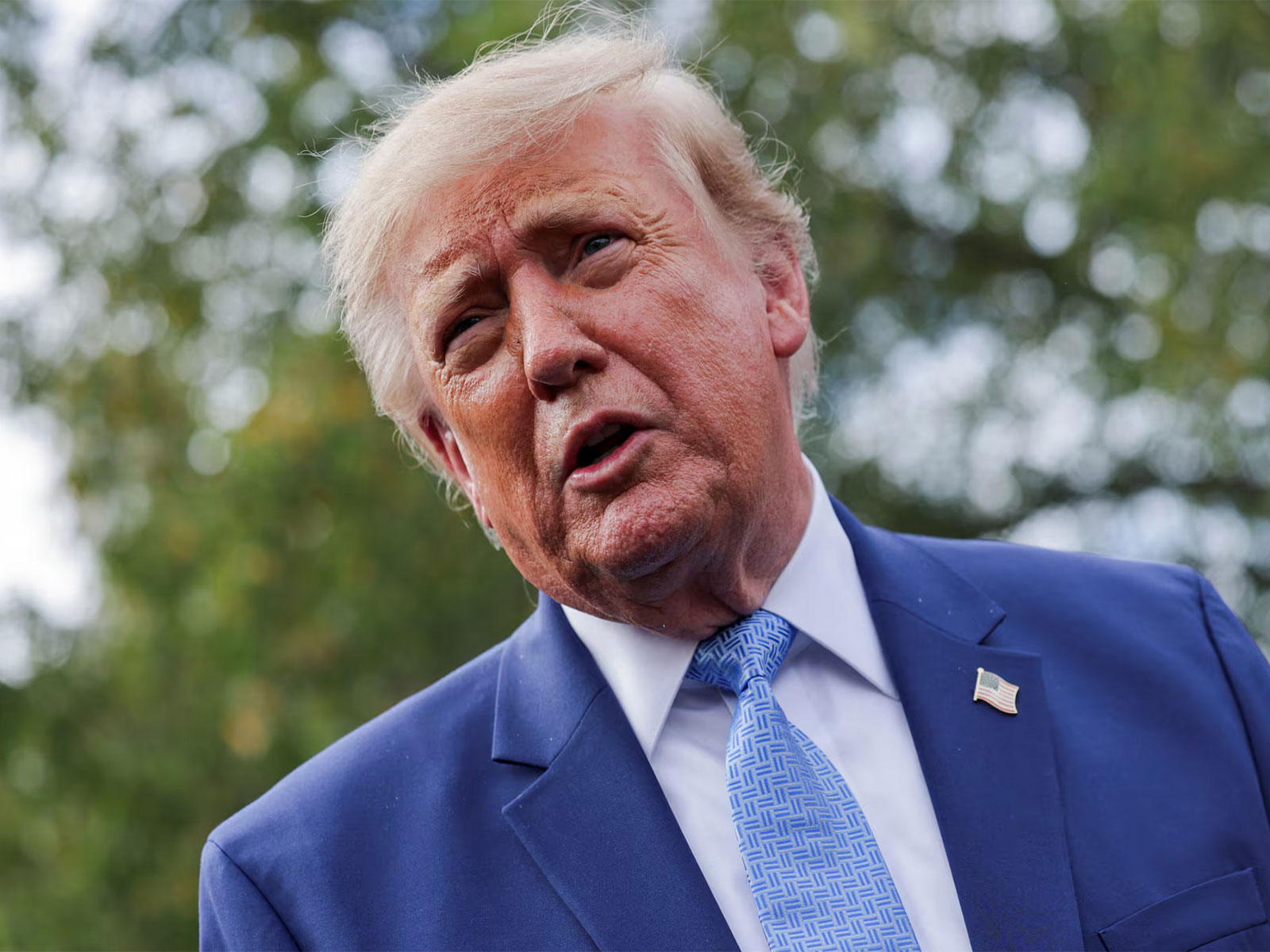
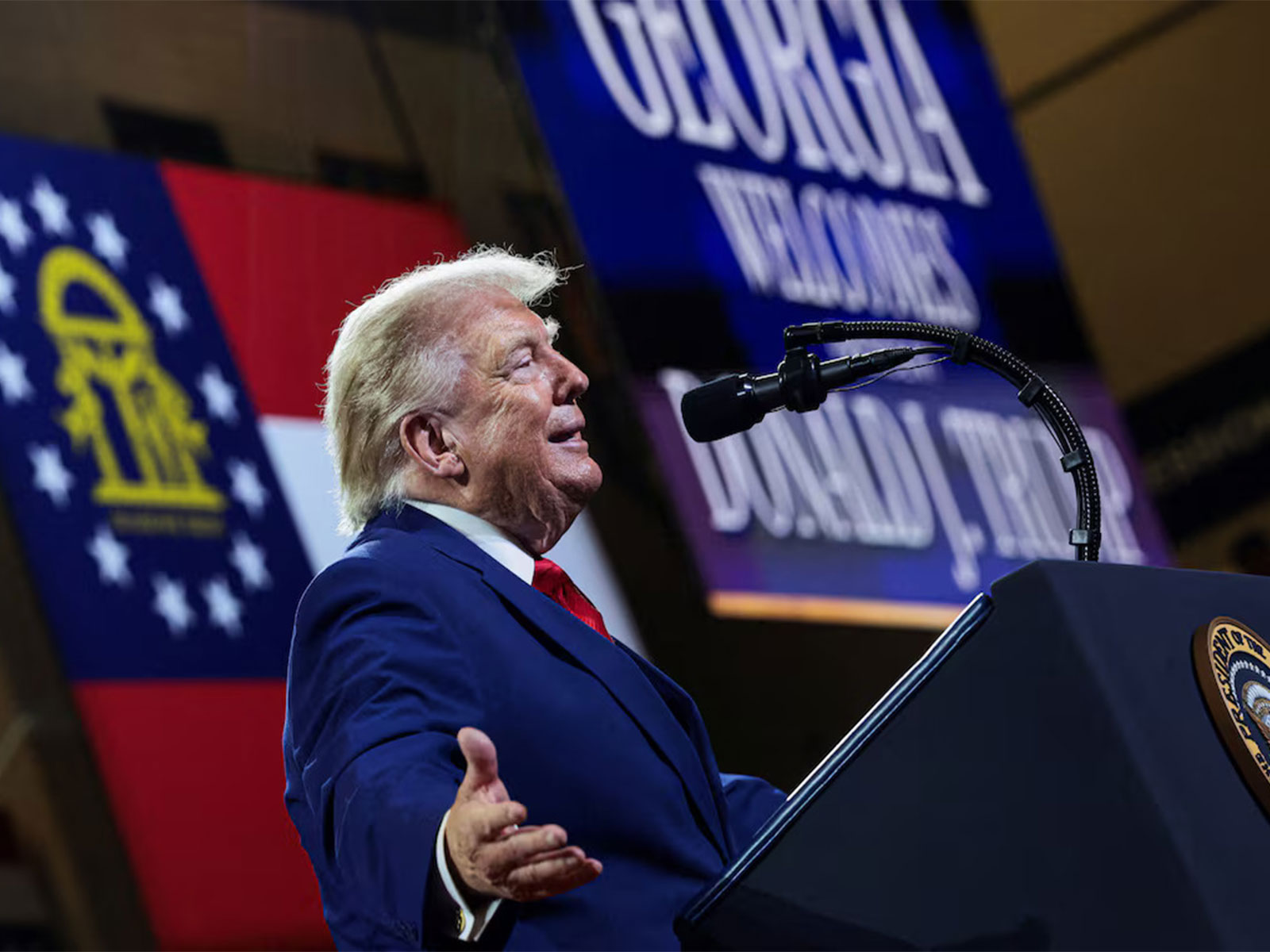
Washington, DC [US], November 7 : United States President Donald Trump has opened the door to potential collaboration with Democratic lawmakers on immigration and taxes in the wake of midterm electoral setbacks for the GOP, while also flagging economic growth as a prime avenue for bipartisan synergy.
When questioned by journalists regarding Democratic initiatives he might endorse, Trump indicated multiple potential areas for consensus.
“I think a lot. I mean, I said before, immigration’s one, tax cuts, or maybe certain things having to do with taxes to make it more convenient and better,” he told reporters during an evening airport gaggle in Florida.
“A lot of economic development initiatives we can do. I think we can do a lot of things together.”
The president noted that various newly elected officials had expressed interest in coordinating with his administration on state-specific concerns, highlighting Texas and South Carolina, though omitting specific names or formal schedules.
While these remarks signalled an openness to negotiate, Trump stopped short of detailing exact legislative amendments or throwing his weight behind any particular Democratic bill.
Additionally, his statements included no definitive commitments concerning H-1B visas, employment-based green cards or other policies impacting Indian professionals and their families.
Trump's conciliatory remarks were tempered by sharp criticisms directed at Capitol Hill lawmakers over stalled legislation. Pressed on legislative priorities ahead of the transition, Trump urged senators across the aisle to expedite action.
He rebuked Democrats for maintaining strict party-line voting blocs while accusing certain Republicans of obstructing legislation, concurrently calling upon Senate Republican leader John Thune to accelerate administrative measures.
Furthermore, the president drew attention to federal judges and executive nominees awaiting confirmation hearings, though he provided no legislative timetable for upcoming economic-development discussions or broader policy talks.
Reflecting on the November 3 midterm outcome, Trump conceded that the Republican Party had faced a difficult electoral night, attributing the losses to congressional inaction and surging global oil prices while distancing himself given his absence from the ballot.
This strategic pivot towards bipartisan dialogue coincided with his formal appointment of Stephen Miller as his incoming White House chief of staff. During the gaggle, Trump commended Miller's steadfast dedication and brushed aside assertions that the personnel shake-up stemmed from internal dissatisfaction following the polls.
The midterm ballots finalised the composition of the next Congress, scheduled to be sworn in this January, leaving the lame-duck session responsible for passing pending bills and advancing presidential nominations.