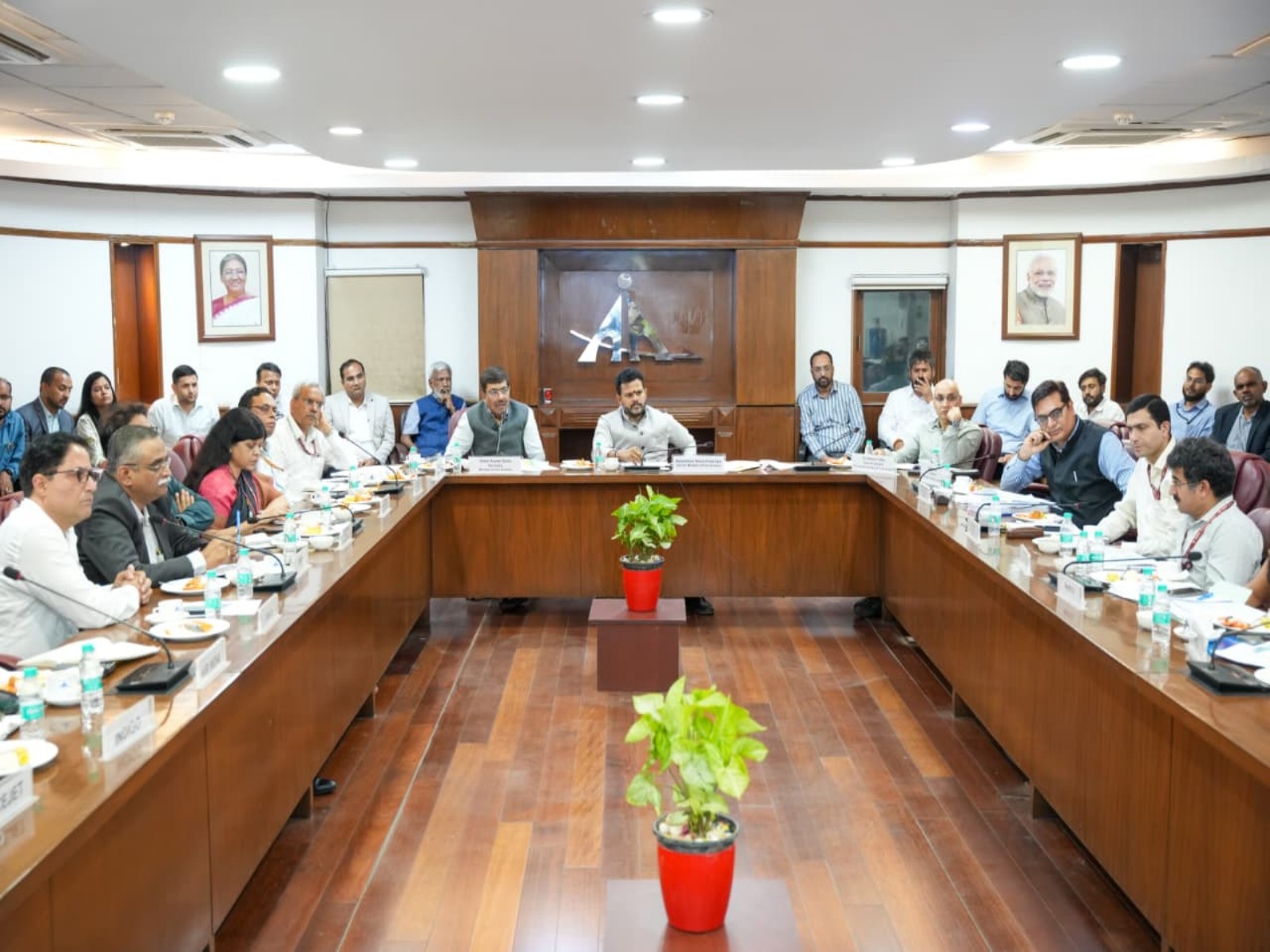
Union Civil Aviation Minister Ram Mohan Naidu reviews India's preparedness for SAF and CORSIA implementation
Jul 29, 2026
New Delhi [India], July 30 : The Ministry of Civil Aviation on Wednesday organised a high-level stakeholder meeting chaired by Minister Ram Mohan Naidu to review India's preparedness for the adoption of Sustainable Aviation Fuel (SAF) and compliance with the Carbon Offsetting and Reduction Scheme for International Aviation (CORSIA), the global carbon reduction framework of the International Civil Aviation Organisation (ICAO).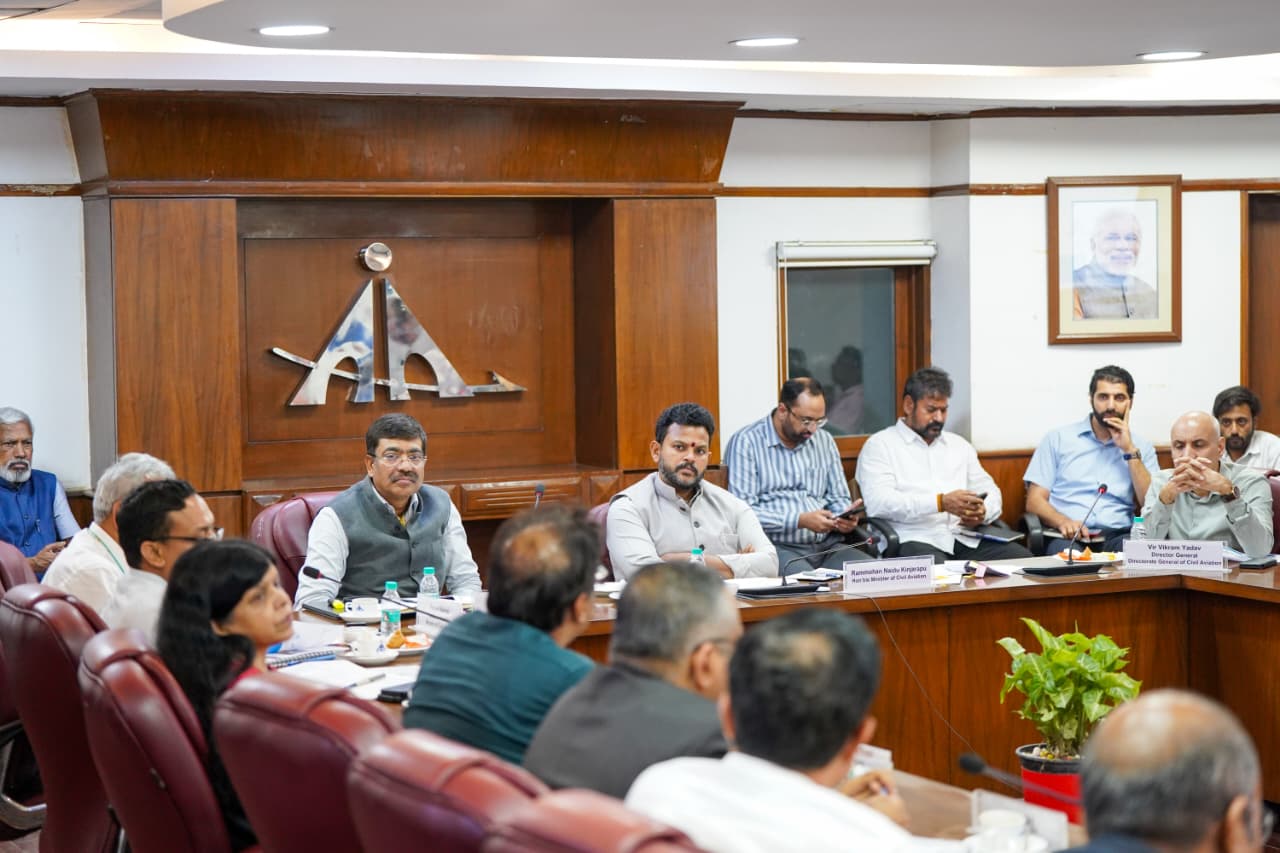
The meeting was attended by Secretary (Civil Aviation) and senior officials from the Ministry of Civil Aviation, Ministry of Petroleum & Natural Gas, Ministry of Environment, Forest and Climate Change, Directorate General of Civil Aviation (DGCA), Airports Authority of India (AAI), Bureau of Indian Standards (BIS), Bureau of Energy Efficiency (BEE), Oil Marketing Companies (OMCs), airlines, airport operators and other key stakeholders.
According to the release, "The meeting reviewed the progress made in SAF production, certification, and supply chain development across the country. The status of various SAF production projects being implemented by Oil Marketing Companies and the timelines for commissioning these facilities were also reviewed. Stakeholders deliberated on measures required to ensure the timely availability of Sustainable Aviation Fuel to meet the anticipated demand from 2027 onwards."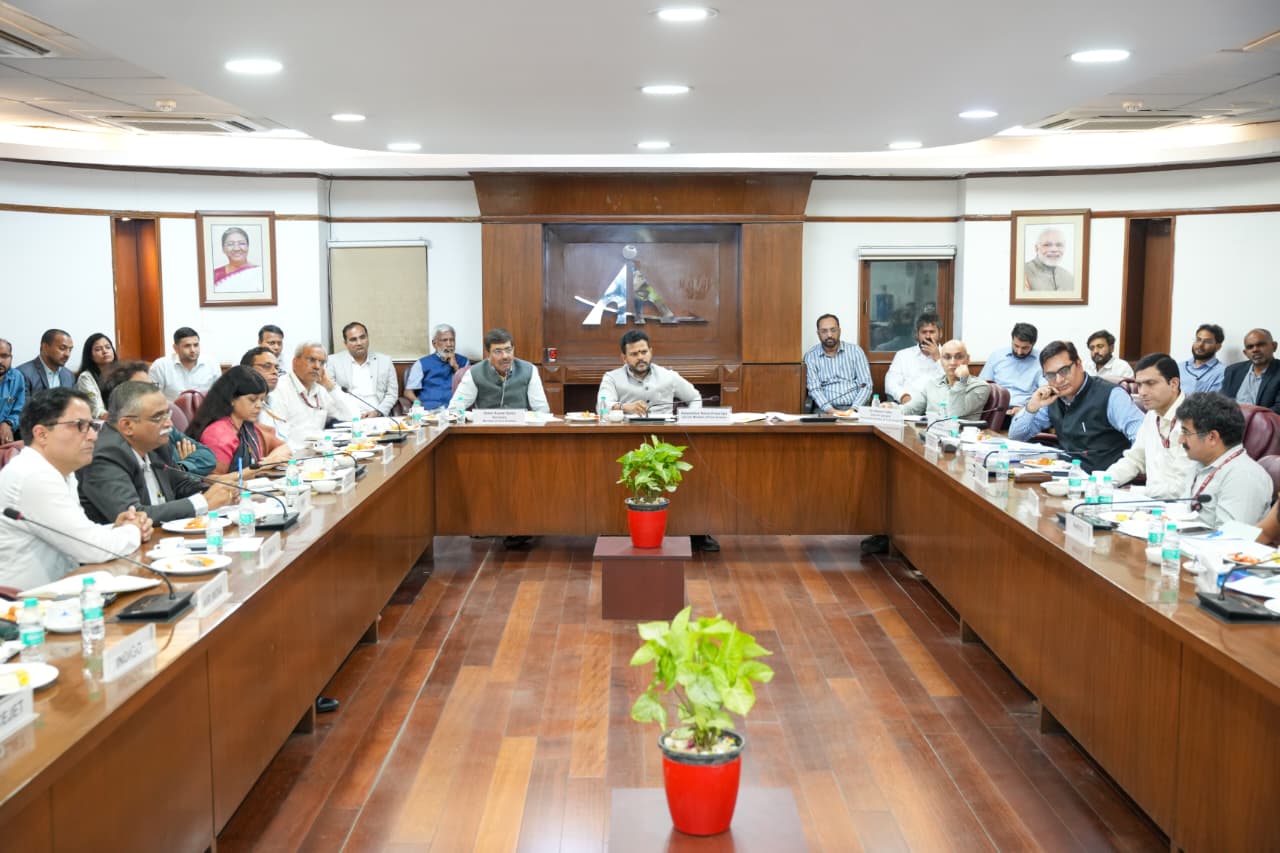
Speaking on the occasion, Minister for Civil Aviation Ram Mohan Naidu said, "India is committed to building a robust and globally competitive Sustainable Aviation Fuel ecosystem that supports the growth of our aviation sector while contributing meaningfully to global decarbonisation efforts. Guided by Prime Minister Narendra Modi's vision of 'One Earth, One Family, One Future', we are approaching SAF not merely as a compliance requirement but as a strategic national opportunity. Multiple stakeholders, including the farmers, stand to gain from the SAF value chain."
The Minister further stated, "As an industry, we are already working on multiple fronts to reduce emissions. From 0 in 2014, today 104 airports in the country have switched entirely to 100% green energy usage. By encouraging the leasing ecosystem, airlines are being supported to have modern and fuel-efficient fleets. SAF is also a critical component for our collective efforts. We must now move from feasibility studies to concrete production timelines and from ambition to action. Every stakeholder needs to have clear obligations for ensuring adequate production as well as robust accounting. Our immediate priority is to achieve the 1% CORSIA blending requirement in the most cost-effective manner. As part of our long-term strategy, the carbon-credit offset mechanism must be developed through a whole-of-government approach."
Ram Mohan Naidu reviewed the proposed implementation roadmap for the SAF blending mandate, including the roles and responsibilities of Oil Marketing Companies, airlines and airport operators. Discussions were held on establishing a robust accounting, monitoring and reporting framework aligned with ICAO/CORSIA requirements, development of a national SAF Registry with end-to-end traceability and measures to facilitate certification and market access.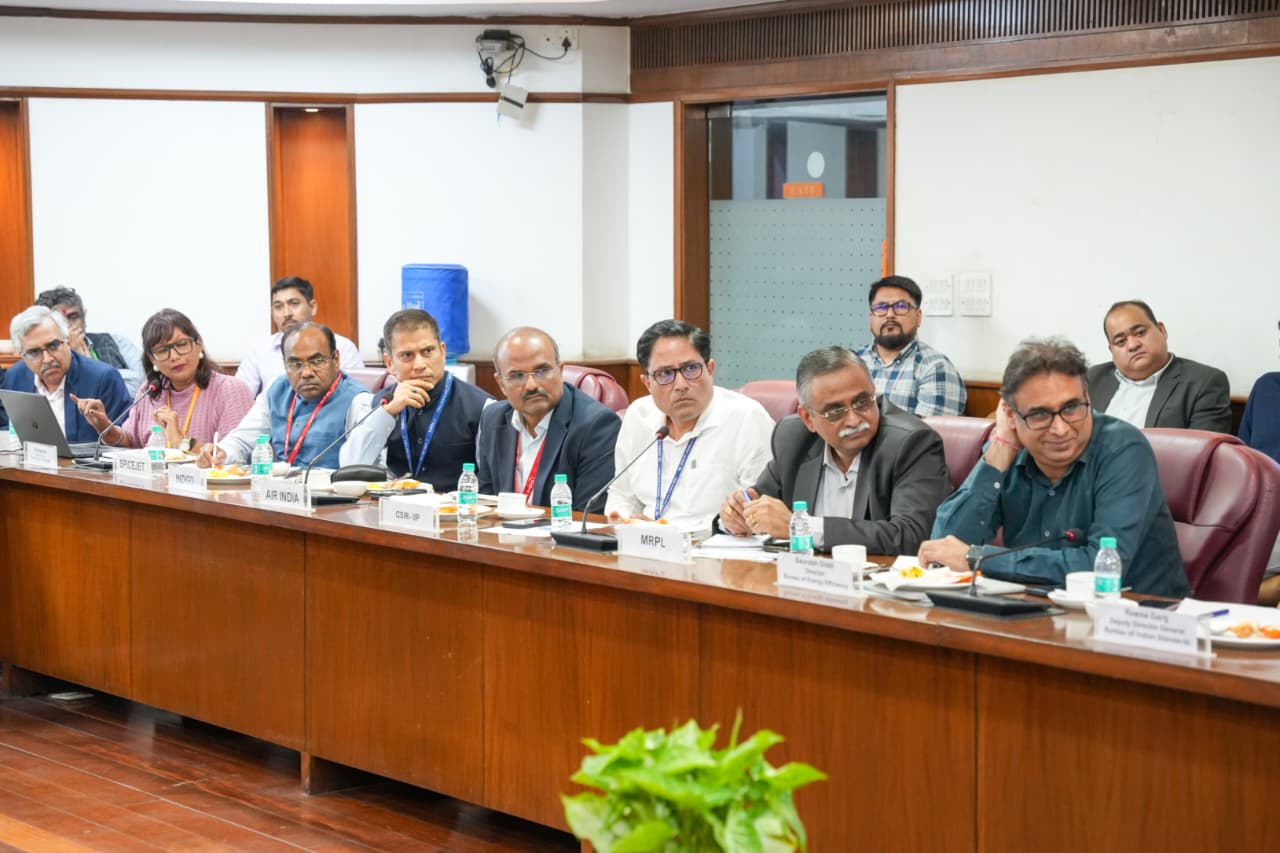
Emphasising the importance of coordinated execution, the Minister said, "This transition must be driven through collective decision-making and close coordination among all stakeholders. We reviewed progress in SAF supply-chain development, the national SAF Registry, accounting and reporting systems and measures required for effective CORSIA compliance. I am encouraged by the significant progress already made and by the commitment shown by all participating Ministries and industry stakeholders. We have directed all concerned stakeholders to expedite the identified action points so that India is fully prepared well before the mandatory phase of CORSIA begins on 1 January 2027."
Talking about the SAF Policy and the financial impact of SAF, the Minister added, "The draft SAF policy is now in its final stages. So, we are doing multiple such inter-ministerial consultations and stakeholder engagements at various levels. For me voice of the passenger remains central and passenger happen to be the most important stakeholder of our industry. We have to ensure that this process imposes the least possible burden on passengers and airlines. For that we need to study all the possible SAF pathways and within pathways identify the most cost-effective mechanism right from production to drop-in at the airport."
The meeting further deliberated on India's preparedness for CORSIA implementation, including the issuance of Letters of Authorisation and the development of a CORSIA-compliant carbon market framework in India.
"The Government of India remains committed to promoting domestic production of Sustainable Aviation Fuel, strengthening India's aviation ecosystem, reducing carbon emissions from international aviation and positioning India as a global leader in sustainable aviation," the release said.