Use of proprietary AI models poses data transfer risks, India focusing on strategic autonomy: MeitY Secretary
Oct 08, 2026
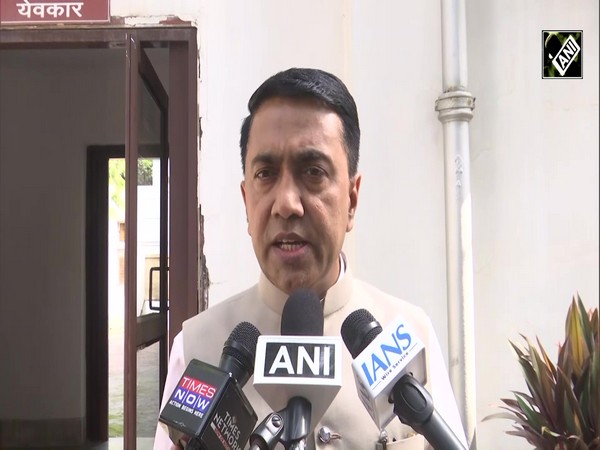
New Delhi [India], October 8 : The use of proprietary artificial intelligence (AI) models carries risks of transferring Indian data outside the country and allowing such systems to learn from the data shared with them, Ministry of Electronics and Information Technology (MeitY) Secretary S Krishnan said, stressing that India is developing its domestic AI capabilities to preserve strategic autonomy.
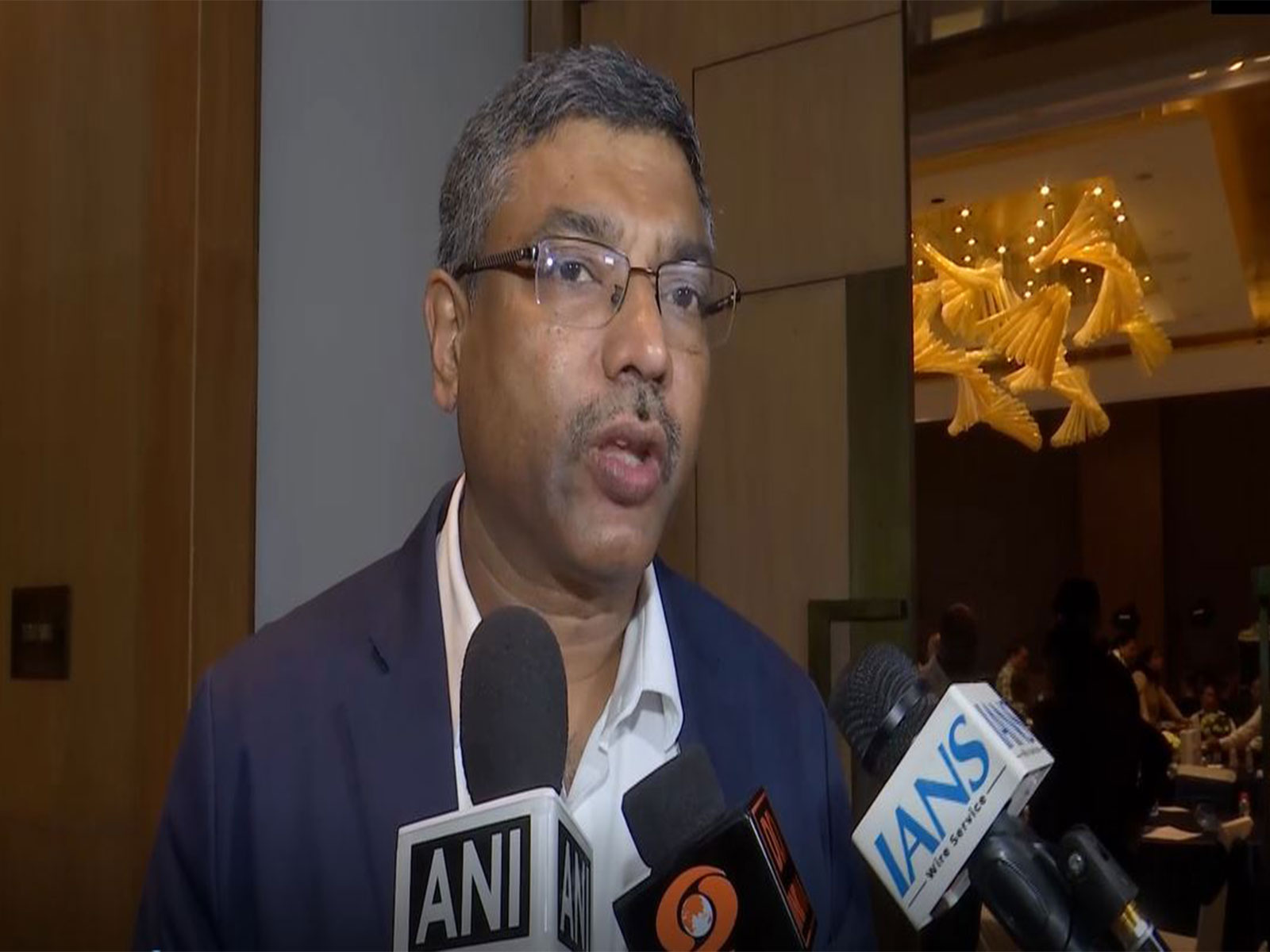
Speaking to reporters on the sidelines of the IndiaAI Mission and World Bank Group's India launch of the World Development Report 2026, Krishnan said the government was working on building the entire AI ecosystem in India while balancing the use of domestic technologies and existing global AI models.
"Where proprietary models are to be used, we need to be aware that it involves the risk of data transfer and it involves the risk of those models learning at the cost of our data and at the cost of getting trained on what we give them," Krishnan said.
His remarks highlight the challenge facing India as it seeks to expand AI adoption while ensuring greater control over data and reducing dependence on external technology providers.
Krishnan said India was exploring the use of open-source and open-weight AI models that could be deployed without transferring data outside the country.
"Some of it and it is possible for us to use open source, open weight models without transferring data out of the country. That is also something that we are working on," he said.
However, he clarified that India was not seeking to restrict itself to a single approach.
"So there has to be a judicious mix. We are an open country both economically and socially," he said.
"So we are using a combination of measures to make sure that our overall strategic autonomy in this area is preserved," he added.
Explaining the government's approach, Krishnan said India was developing the entire AI technology stack, covering physical infrastructure, computing capacity, data, models and applications.
"We are working on developing the entire AI stack here in India," he said.
He explained that the infrastructure included energy systems, chips and servers, with data, model and application layers being developed above them.
On whether companies and startups empanelled by the government would be required to keep data within India, Krishnan said such decisions would depend on the nature of the data involved.
He referred to the government's classification of different categories of data and the corresponding requirements for data centres and cloud services.
The concerns come as India seeks to expand AI use across government and industry while building the domestic infrastructure needed to support the technology.