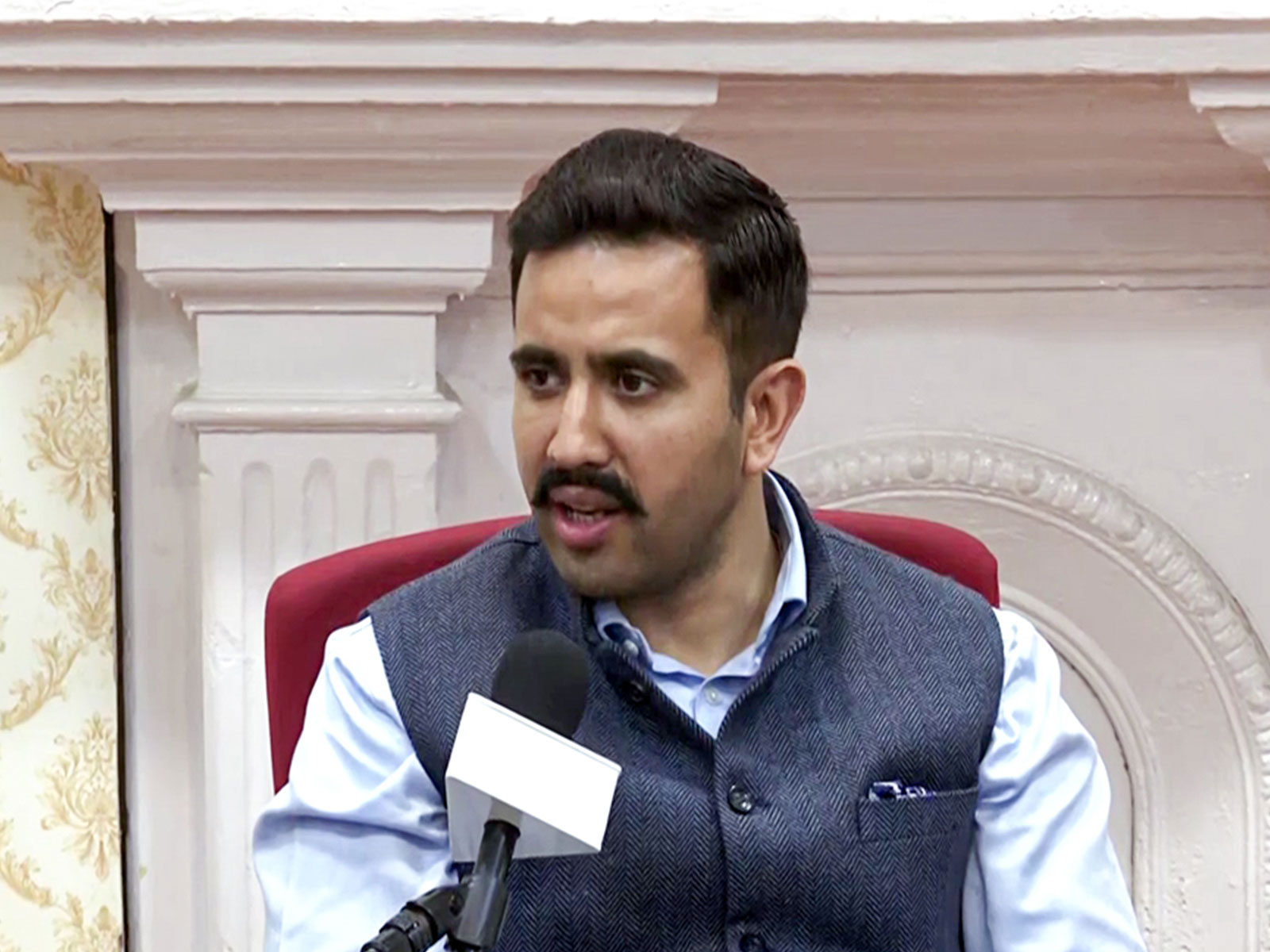
Vikramaditya Singh defends proposed IAS, IFS cadre restructuring in Himachal Pradesh
Aug 18, 2026
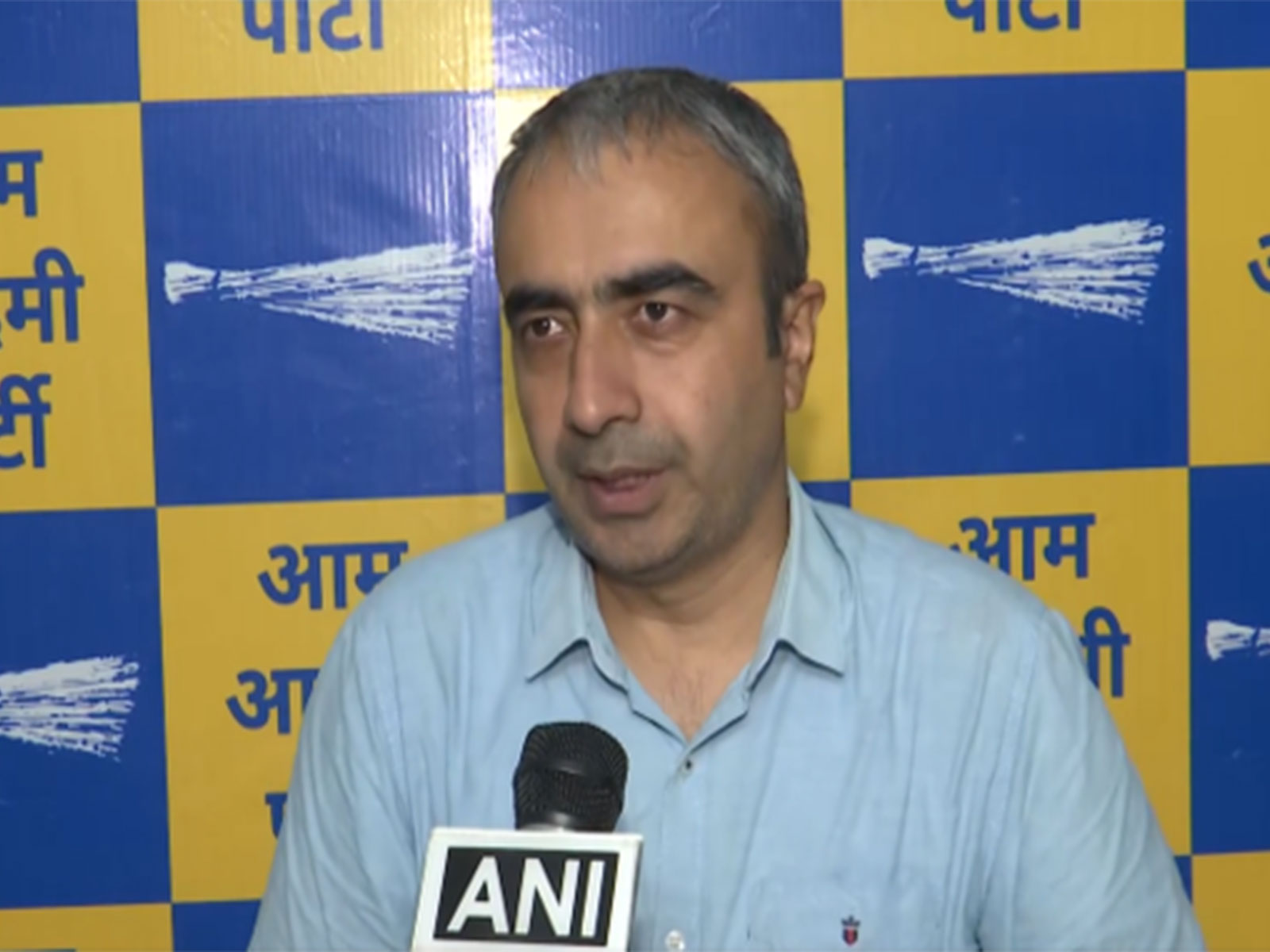
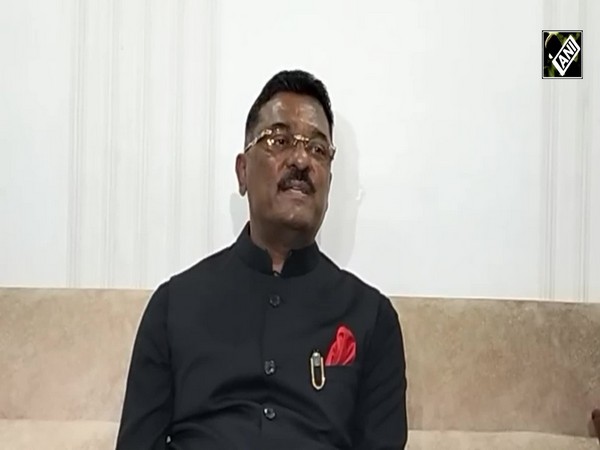
Shimla (Himachal Pradesh) [India], August 19 : Himachal Pradesh PWD and Urban Development Minister Vikramaditya Singh on Tuesday defended the Chief Minister on the state government's proposal to restructure the IAS, IPS and Indian Forest Service cadres, saying the exercise is aimed at strengthening the administrative machinery at the field level.
Speaking to ANI in Shimla, Singh said the state government had sent a proposal to the Centre to reduce the IAS cadre strength from around 130 to 110 posts. "This is a correct effort and is in the right direction because Himachal Pradesh is a small state and there is a need to strengthen the administrative structure at the grassroots level," Singh said.
He said the proposal had been examined by a Cabinet sub-committee, which had looked at the state's administrative structure and staffing requirements.
According to Singh, the government believes that the present administrative structure has become increasingly top-heavy, with more senior-level posts in some departments while vacancies exist at the field level.
"The administrative pyramid has become inverted, with more officers at the top and fewer at the lower level. We need to correct this," he said.
Singh cited departments such as the Public Works Department and Jal Shakti Department, where multiple senior-level officers may be handling overlapping responsibilities while manpower is required at the grassroots.
He said IAS officers were also handling multiple responsibilities because of the existing structure.
The proposed restructuring, he said, was aimed at ensuring that the number of senior officers was aligned with the actual requirements of the state while strengthening posts at the lower and field levels. "This is not simply about reducing the cadre. The intention is to have as many officers as are actually required for an efficient bureaucracy in the state," Singh said.
He said technological changes, including increasing computerisation and the use of artificial intelligence, had also made it necessary to reassess the administrative structure.
Singh said the government was examining posts across departments to determine whether positions created years ago were still required in their present form. "Wherever posts are no longer required, they can be rationalised, while the strength at the lower level, where there is greater need, can be increased," he said.
The minister also pointed to the transfer of certain national highways from the state government to NHAI as an example of why the administrative structure needed periodic review. He said that once road maintenance responsibilities moved to NHAI, the state would also have to assess how many senior engineering posts were required within its own PWD structure.
Singh said the proposal would also have financial outcome for the state government because reducing unnecessary posts would help rationalise expenditure.
He stressed, however, that no final decision has yet been taken on the proposed reduction in cadre strength.
"The decision has not been taken yet. The proposal has been sent to the Central Government. Ultimately, the Centre will decide how this is to be done," he said.
Singh said the exercise was intended as a broader administrative reform rather than merely a numerical reduction in the number of IAS, IPS or IFS officers.
He said the state's requirement for senior officers would be assessed on the basis of its geography, administrative workload, departmental responsibilities and changing connectivity and technology.
The minister said the government wanted to ensure that the administrative structure was aligned with the state's present-day requirements rather than continuing with posts created under older circumstances. He said the proposed cadre restructuring would be taken forward after the Centre examines the state's proposal and takes a decision on the matter.