Vizhinjam Port could cut export transit time by a day, reduce India's dependence on overseas transshipment hubs: Experts
Aug 24, 2026
New Delhi [India], August 24 : Vizhinjam International Seaport could reduce export transit time by about a day and help India lower its dependence on overseas transhipment hubs as its handling capacity expands, experts said at the sidelines of the Bharat Nirman Summit.
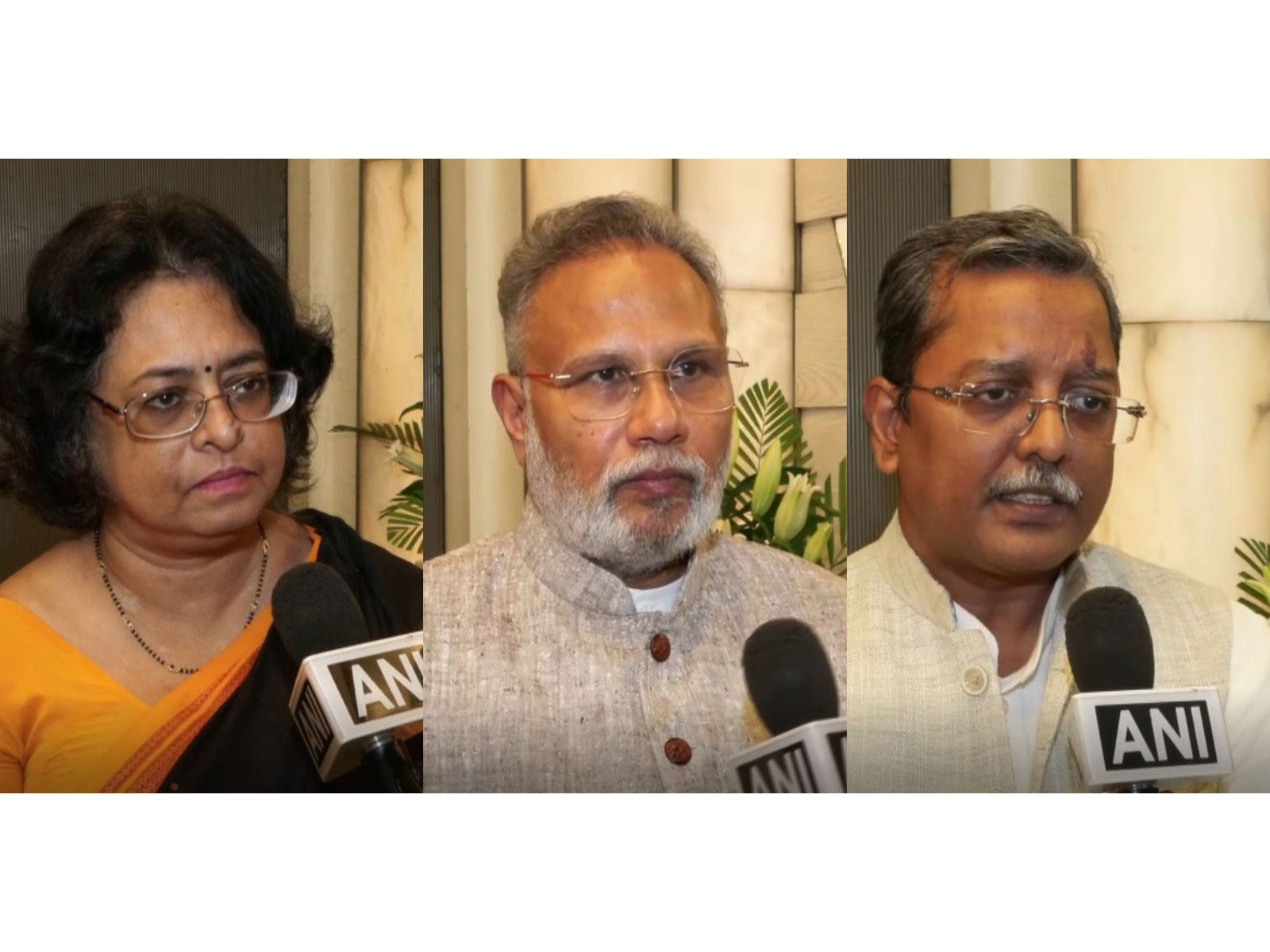
Dr Soumen Roy, Professor at the Indian Council for Research on International Economic Relations (ICRIER), said the port could play an important role in shifting transhipment cargo currently routed through overseas hubs such as Colombo and Singapore to India.
"Vizhinjam port is very important from India's point of view mainly because it is going to replace Colombo and other transhipment hubs," Roy told ANI.
She said the expansion of the port could significantly increase its container handling capacity and improve the movement of Indian exports.
"Once Vizhinjam becomes fully operational, which is expected by 2028, it will handle about 5 million TEU, which means that it will reduce the time taken to export by a day, which is significant," Roy said.
Latest information from Adani Ports and Special Economic Zone (APSEZ), which operates the port, shows that Vizhinjam currently has a capacity of 1.6 million twenty-foot equivalent units (TEUs). Phase-II expansion is underway and is scheduled for completion by December 2028, which is expected to increase capacity to 5.7 million TEUs.
The port handled about 1.3 million TEUs during 2025-26.
The port could also help India bring home a larger share of its transhipment business. Government data has previously estimated that around 75 per cent of India's transhipment operations were being handled at foreign ports.
While speaking to ANI, Sunil J Singhi, Chairman of the National Traders' Welfare Board, said the port would also benefit traders by reducing the time required for movement of goods.
"Going forward, as India's trade and exports continue to grow, this port will play a very important role. It will bring multiple benefits," Singhi said.
He added that improved warehousing and port infrastructure could also help traders increasingly participate directly in exports.
Abhijeet Sinha, National Program Director, Ease of Doing Business, also highlighted the need to strengthen India's wider port infrastructure as the country seeks to tap new trade routes, including the India-Middle East-Europe Economic Corridor (IMEC).
He said developing ports such as Kandla, JNPA/Navi Mumbai and Mundra in line with the requirements of the corridor, particularly for transhipment, would be an important challenge in the coming years.
"A significant amount of cargo earlier used to go through Sri Lanka. With Vizhinjam becoming operational, this situation is expected to improve considerably," Sinha said.
Vizhinjam is India's first dedicated deep-water container transhipment port and is located about 10 nautical miles from the main international shipping route connecting Europe, the Persian Gulf and the Far East.