We have Joint Rivers Commission - structured bilateral mechanism to address issues related to shared waterways: MEA on Ganges Water Sharing Treaty with Bangladesh
Jun 02, 2026
New Delhi [India], June 2 : India on Tuesday said that it will examine issues related to the Ganges Water Sharing Treaty with Bangladesh through existing bilateral mechanisms, emphasising that river-related matters between the two countries are addressed through structured cooperation.
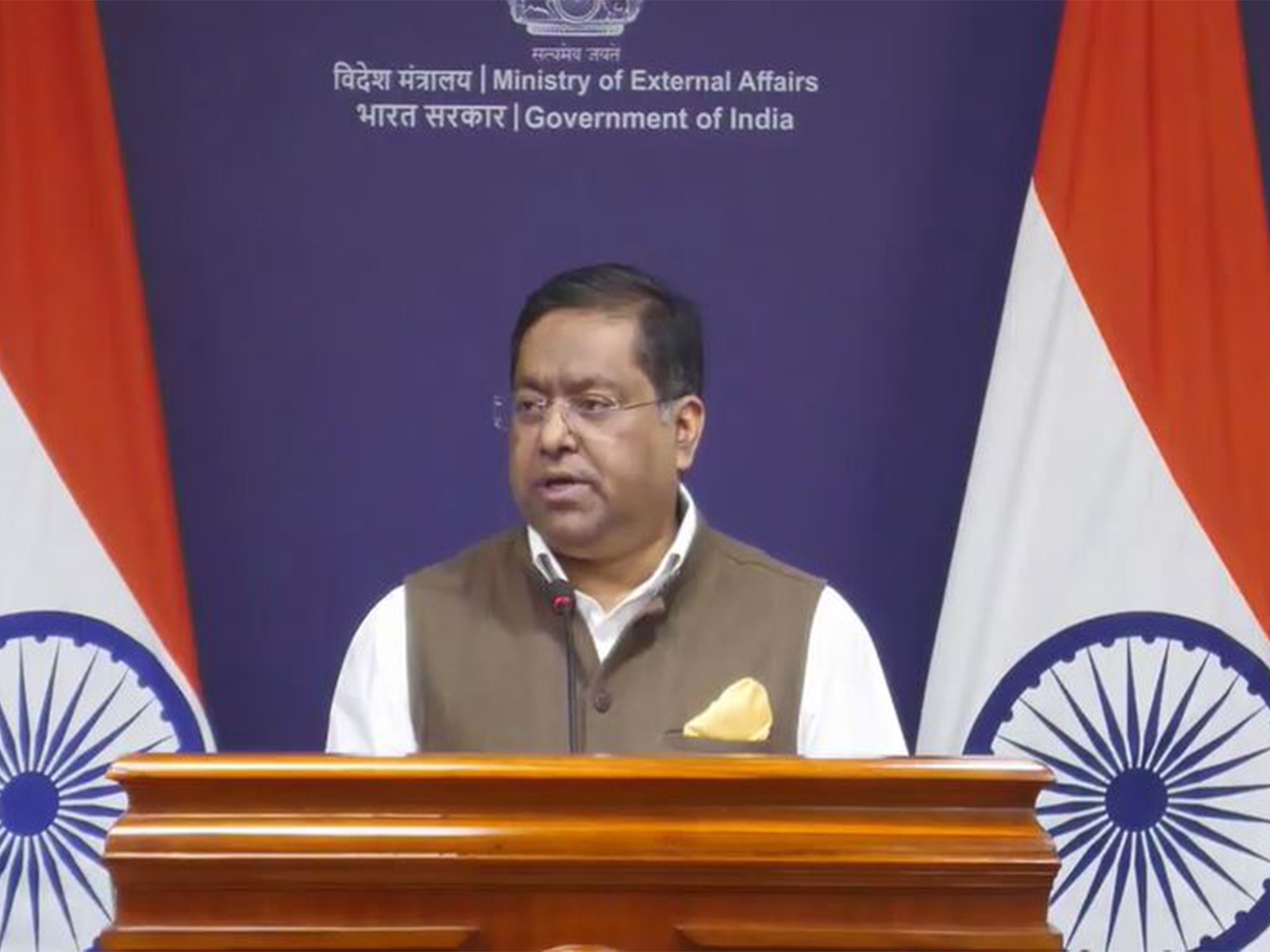
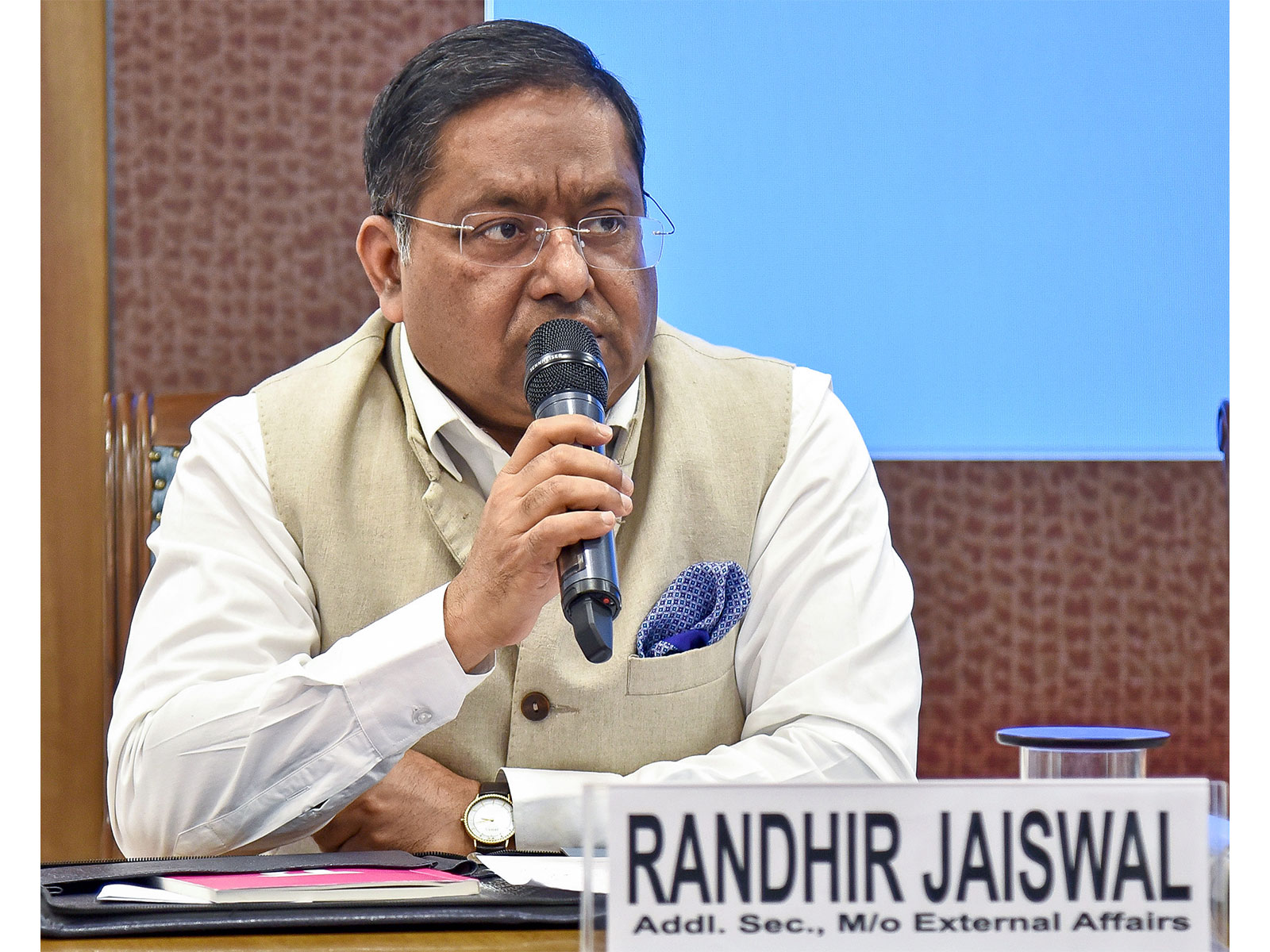
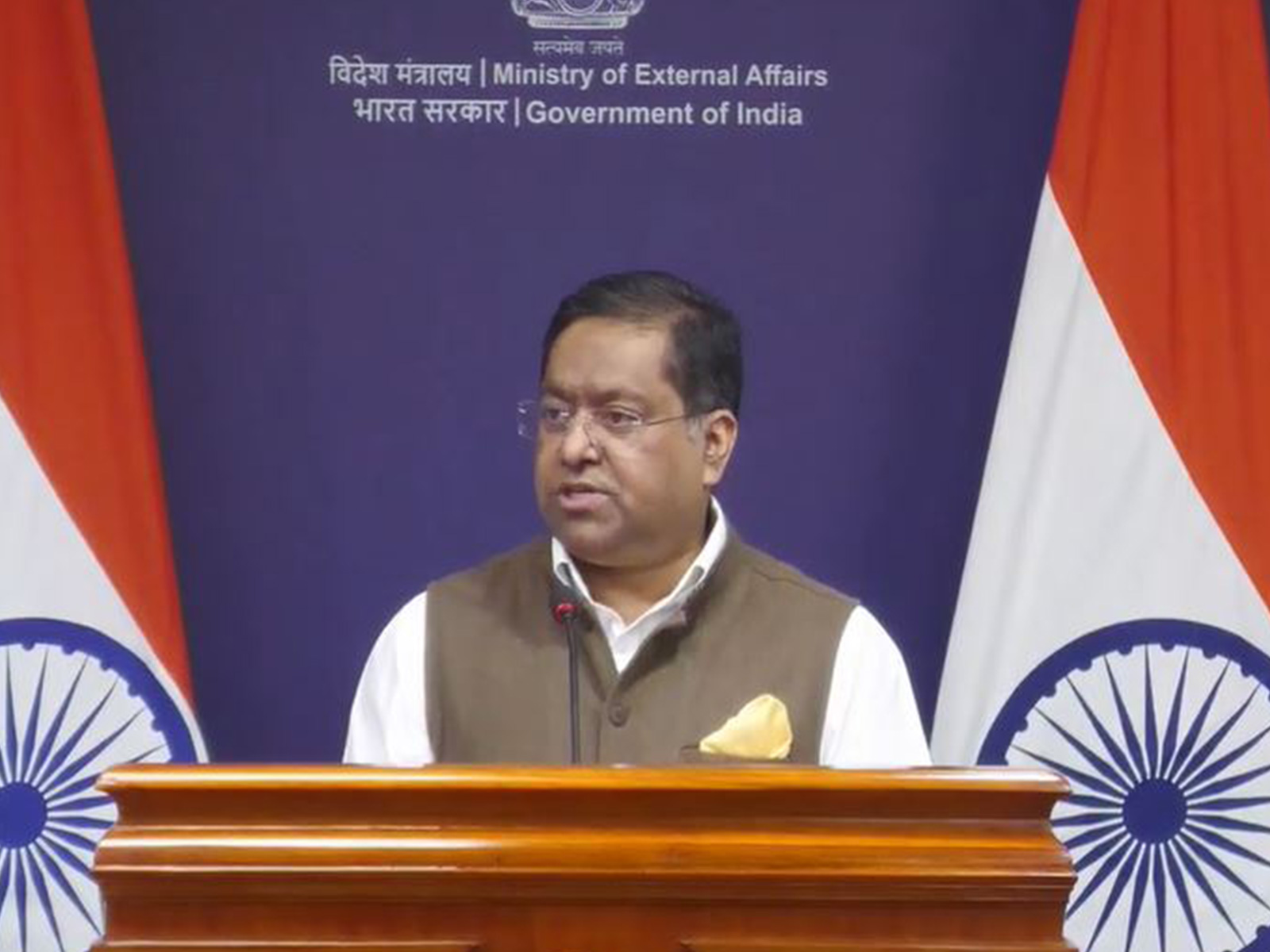
Responding to a question during the weekly media briefing on remarks by a spokesperson of the Bangladesh Nationalist Party (BNP), who said Dhaka's ties with New Delhi depend on a new Ganges water-sharing agreement as the existing treaty is due to expire in December, MEA Official Spokesperson Randhir Jaiswal highlighted the institutional framework already in place between the two neighbours.
Jaiswal noted that India and Bangladesh share 54 rivers and have established the Joint Rivers Commission to address issues related to all shared waterways.
"We have several rivers, in fact, 54 rivers are shared between India and Bangladesh. And we have a Joint Rivers Commission - a structured bilateral mechanism - to deal with issues pertaining to all the rivers that we share between India and Bangladesh," Jaiswal said.
He further stated that such matters would also be taken up within the framework of the existing bilateral river cooperation mechanism.
"And the question that you asked, we will also be looking at these issues as part of our structured bilateral collaboration on rivers," the MEA spokesperson added.
The India-Bangladesh Ganga Water Sharing Treaty, signed on December 12, 1996, is set to expire in December 2026.
In February, the Minister of State in the MEA, Kirti Vardhan Singh, informed Lok Sabha that the formal talks between the two countries on renewing the agreement have not yet begun.
Last month, officials from Bangladesh said that discussions are taking place between the two sides about renewing the agreement.
Officials also said Bangladesh and India had agreed on a water-sharing treaty for the Teesta River, but it was not signed due to opposition from then West Bengal Chief Minister Mamata Banerjee.