"Without any doubt, it's a major disaster": Former envoy Manjeev Singh Puri urges mindfulness towards nature amid Nepal floods
Aug 28, 2026
By Sahil Pandey
Kathmandu [Nepal], August 28 : Weighing in on the catastrophic flash floods sweeping through the Himalayan nation, former Indian Ambassador to Nepal Manjeev Singh Puri offered deep insights into the unfolding humanitarian crisis, ecological vulnerability, and enduring civilisational ties.
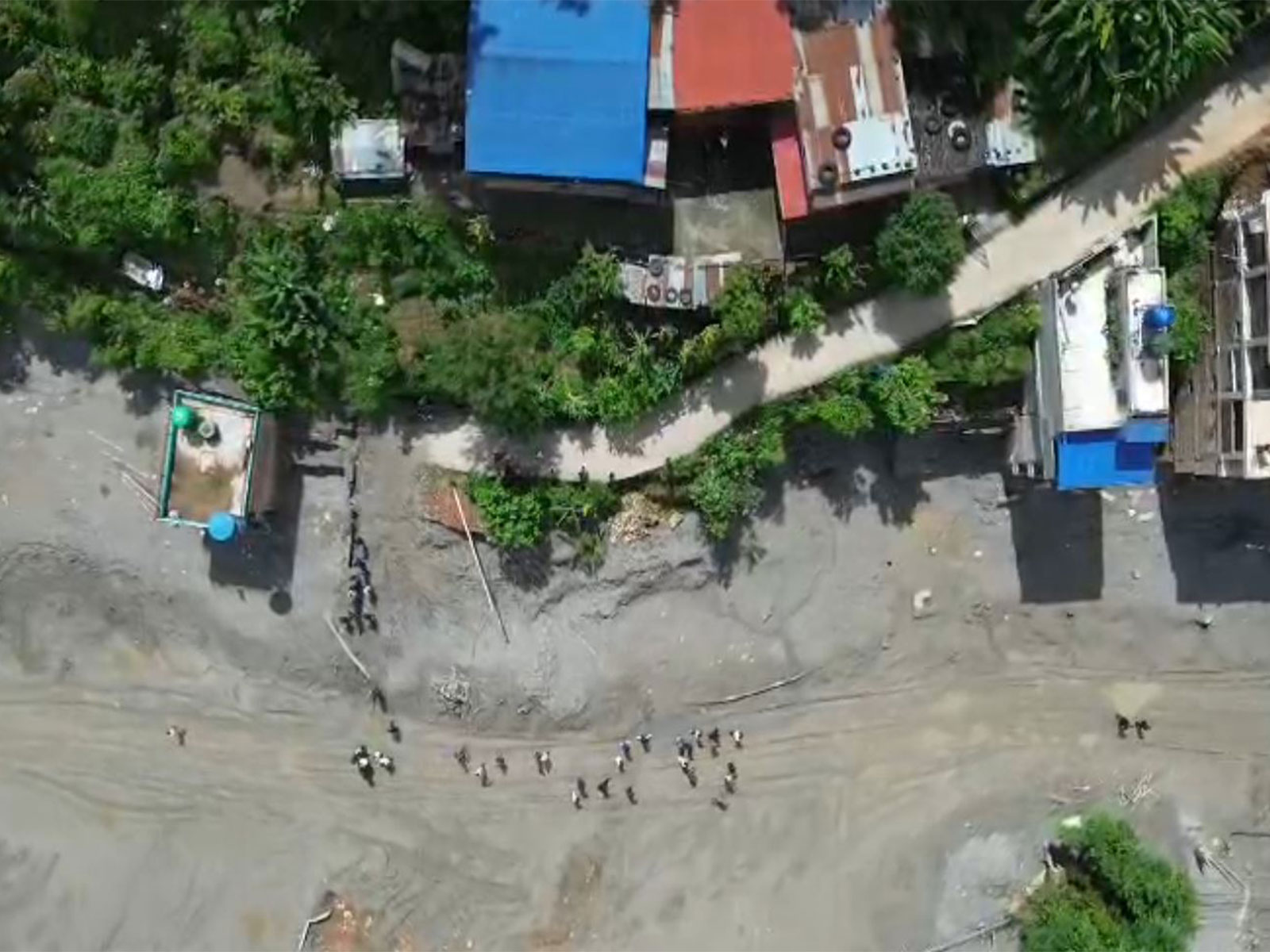
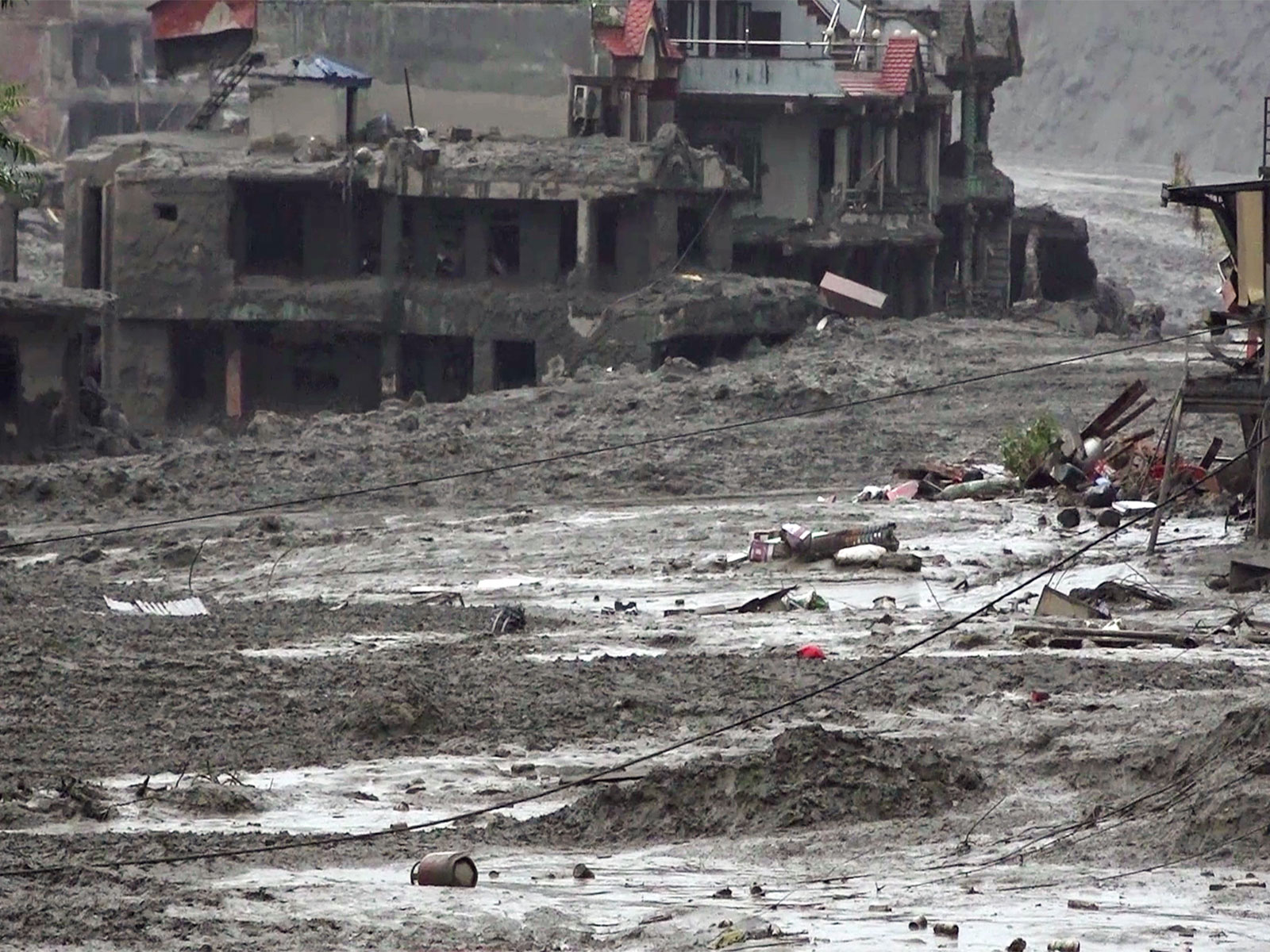
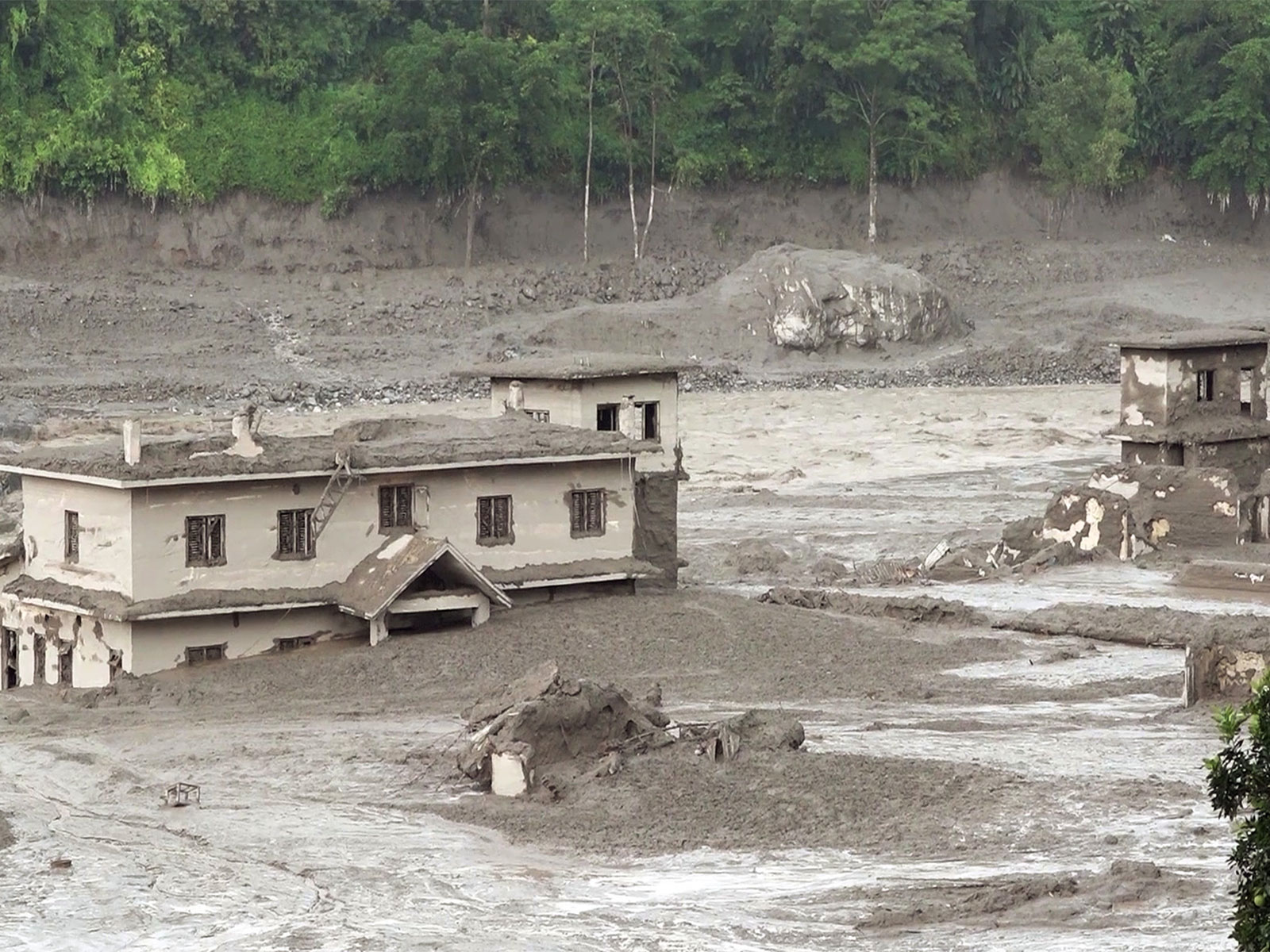
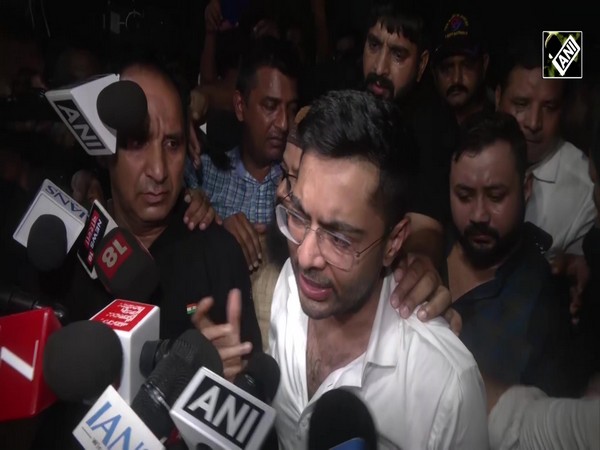
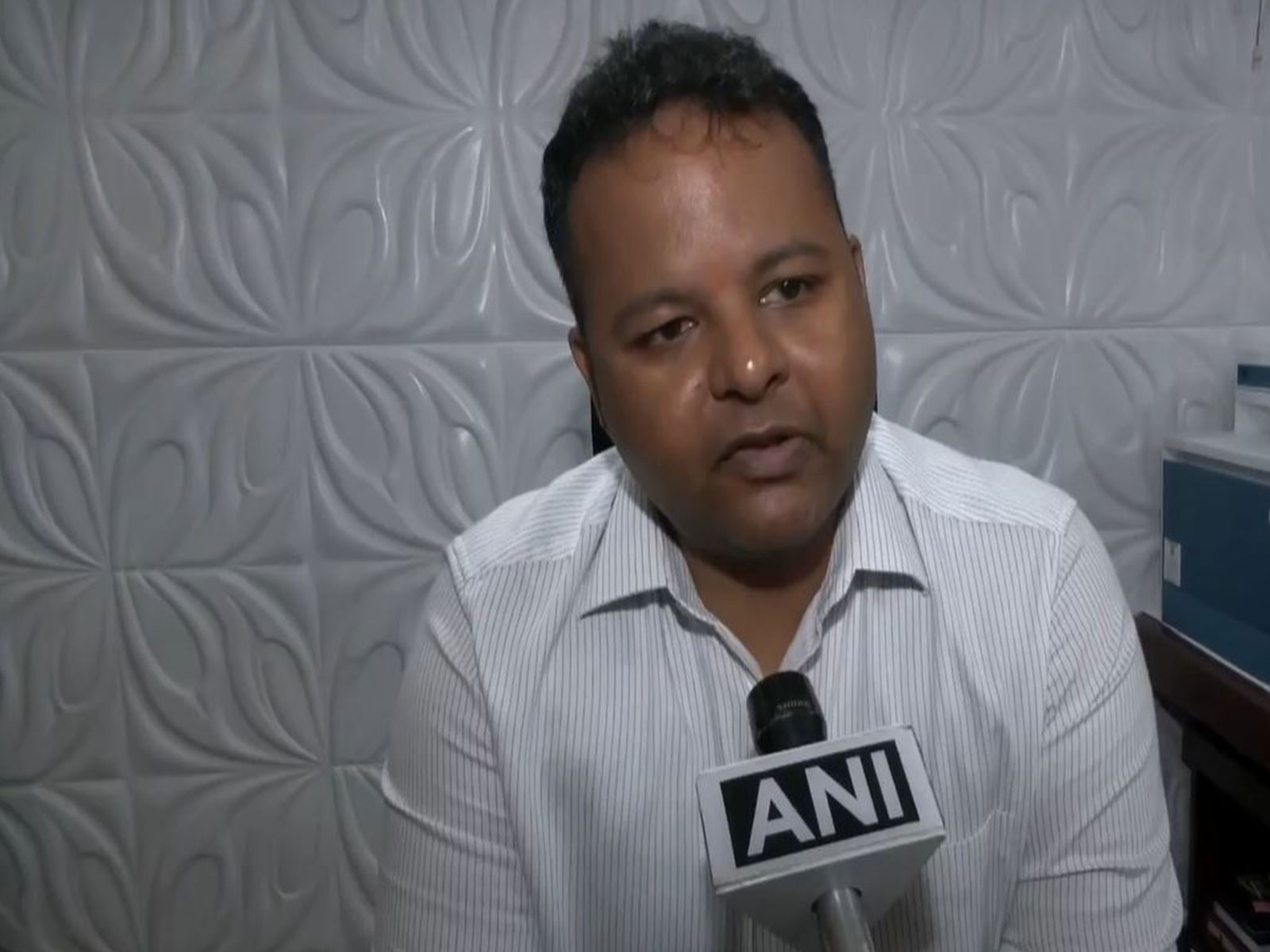
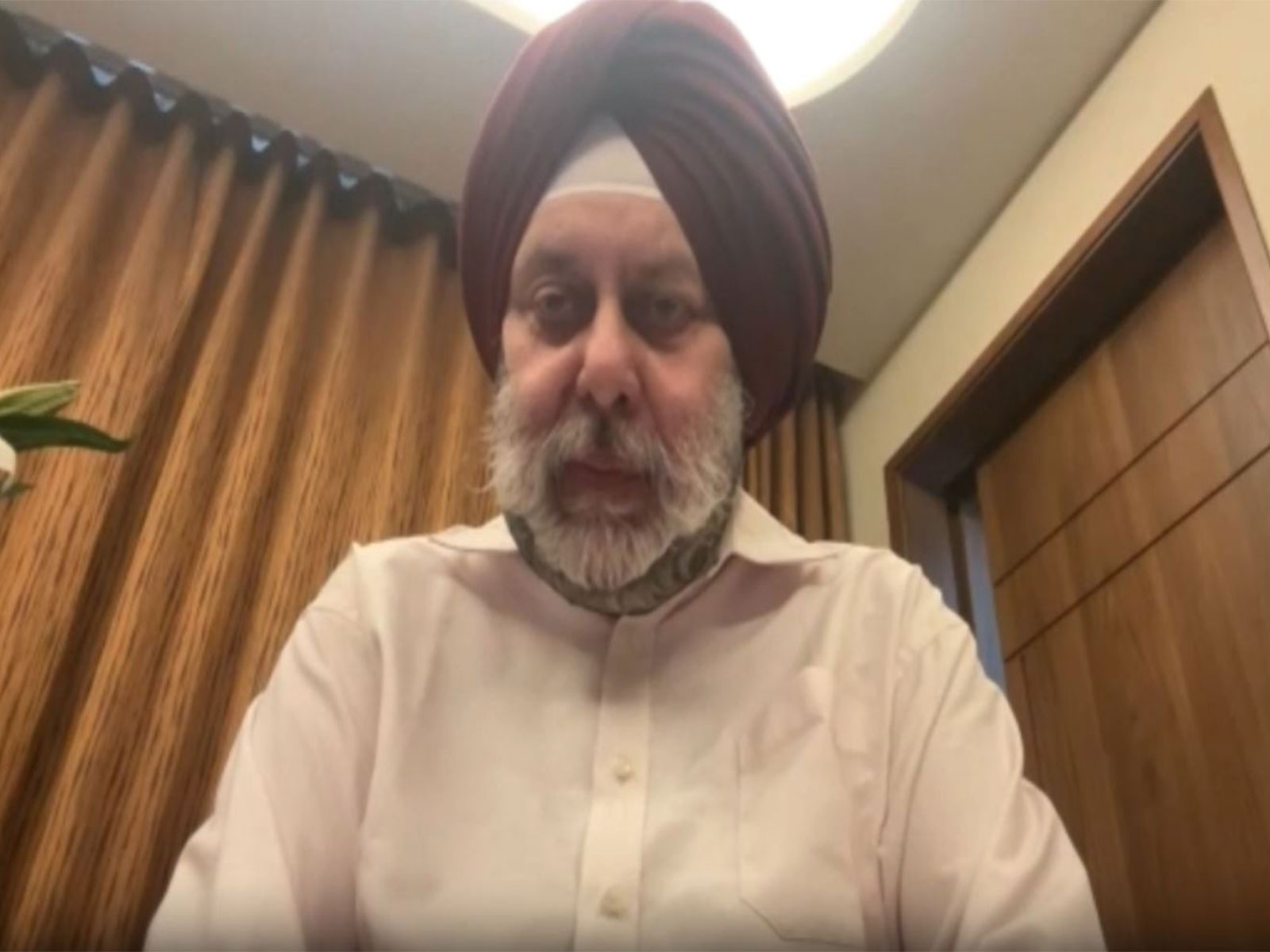
Assessing the ground situation, former Envoy Manjeev Singh Puri told ANI, "And this has been a, this is a major disaster, there should be absolutely no doubt. I am just looking at the morning newspapers and they are mentioning something like 475 people is at the death toll and lots and lots of people missing. Basically, connectivity is an issue, reaching there is a problem, the phone and internet lines, etc. are down. So it would take a little bit of time to reach it. But without any doubt, you know, it's been a, it's a major disaster, there should be no doubt about that at all, to 2015 earthquake, and this is of a very, very, not of the similar order in terms of the numbers as yet, but a very, very major disaster."
Highlighting the broader environmental factors behind the disaster, he noted, "And what does it point to? It points to the fact that our ecology is sensitive. Our ecology is perhaps, you know, it's got not only this tectonic plates earthquake kind of thing that Nepal is located in that geographical zone, but also climate change and what it means. And so therefore, also, while we are condoled, sympathised, and we are doing all the research, the search and rescue, etc., we must become more and more mindful of what nature is trying to say to us."
Addressing concerns over missing foreign nationals and Indian pilgrims amid the disaster, Manjeev Singh Puri explained to ANI, "This is the route, or perhaps the easiest, and let me say, relatively inexpensive route to go to Kailash Mansarovar. You drive from Kathmandu to a place called Raswak, cross over to the Chinese side, and there's an excellent road from there, which takes you there. And so therefore, I have little doubt that this being the Yatra time, there will be a lot of yatris there from India. And I'm told it's not just people from India, Indians from India, but Indians from all over the world who are there. And so, I have no idea, whatever you heard from MEA and other sources, they are perhaps true. We've been seeing some reports of some American Indians also, they're unknown. I mean, that's the situation, there's no contact with them, so they are, in a sense, missing. Hopefully, they are all fine, and everyone will be fine, and it's only that there's no contact at the moment. Let's also not just hope that the rescue and the search efforts do well, but also let's join our hands together, because that's important."
Praising the rapid diplomatic and humanitarian response from New Delhi, where Prime Minister Narendra Modi reached out to Nepalese Prime Minister Balendra Shah, the former ambassador emphasised the unique bond shared by the two neighbouring nations. "India being the first responder, they did send the relief material. And we have also seen Prime Minister Narendra Modi also spoke to Nepalese Prime Minister Balan Shah," he said.
Reflecting on bilateral solidarity, Manjeev Singh Puri concluded, "Look, that the Prime Minister called the Prime Minister of Nepal, in my opinion, it was almost natural. It had to happen, you know, and this is the nature of our civilisational links and our thing. So, the use of words such as first responder, etc., are part of global terminology. This is a contact, a civilisational contact, you just had to do it. You do it for neighbours, isn't it? We all come together, no matter whatever other issues we may have. And that's what we did. We were also, obviously, the first to be able to rush material, because of proximity and various other things in that. And I'm sure that the government of India, as well as the people of India, organisations, etc., they will all be there in solidarity to do whatever the Nepalese would like. And, of course, the Nepalese are coordinating all of this. And that goes without saying, that's the nature of the relationship."
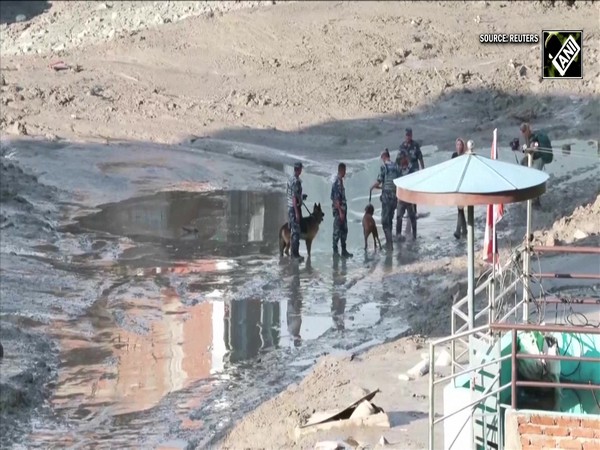
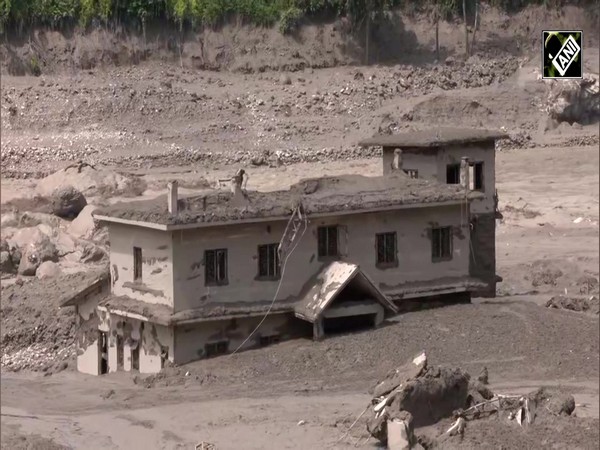
Building on the escalating crisis, Nepal Police on Friday issued a fresh alert for floods in the Himalayan country, evacuating people from Trishuli. The death toll from the devastating Bhotekoshi flood on Wednesday rose to 475, according to police, The Kathmandu Post reported.
Earlier today, an earthquake of magnitude 5.1 hit Sichuan in China, prompting a flood alert in Nepal. People in the Trishuli area were evacuated again as a heavy flow of water from above threatened to raise the river's water level, Nepal Police stated. The earthquake jolted Longchang City, southwest China's Sichuan Province, according to the China Earthquake Networks Centre, CGTN reported.
Issuing an alert, Nepal Police said that a dam on the Tibet side had burst again, posting on X, "Information has been received that the water dam on the Tibet side has burst again. Therefore, all security personnel, rescue workers involved in rescue and relief operations, and the general public are requested to remain immediately alert and move to safe locations or notify others."
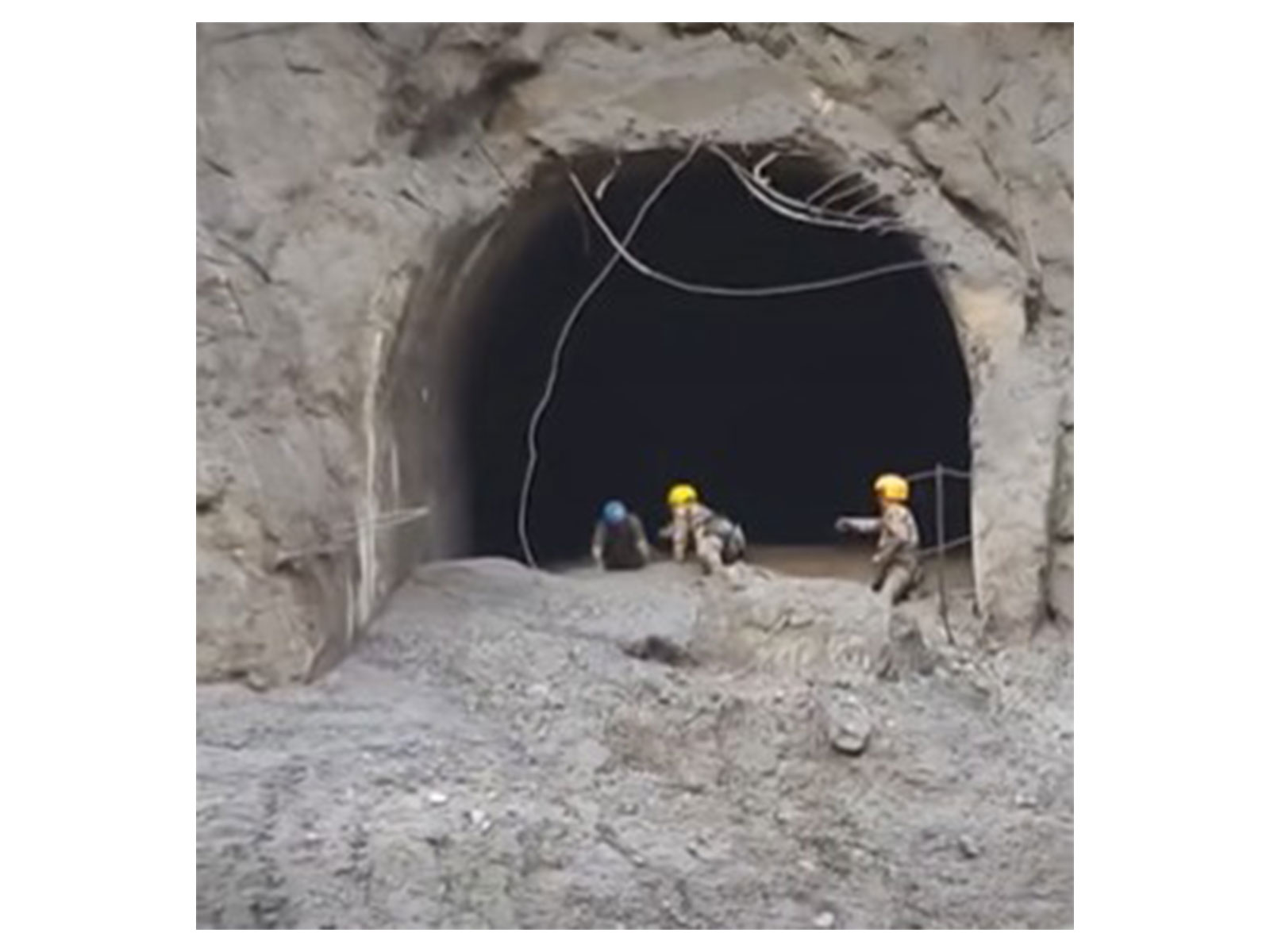
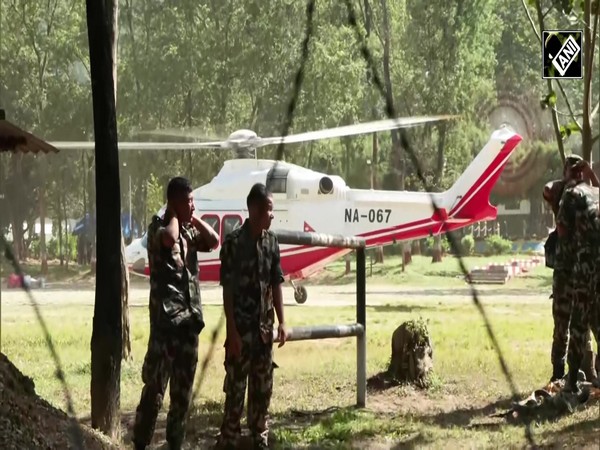
To manage foreign rescue coordination, Nepal's Ministry of Foreign Affairs (MoFA) on Thursday established an Emergency Control Room (ECR) to coordinate assistance for foreign nationals affected by the devastating Bhotekoshi flash floods in Rasuwa district, serving as the central coordinating body for search and rescue, information verification, and consular assistance for foreign nationals affected by, missing in, or otherwise connected to the flood incident.