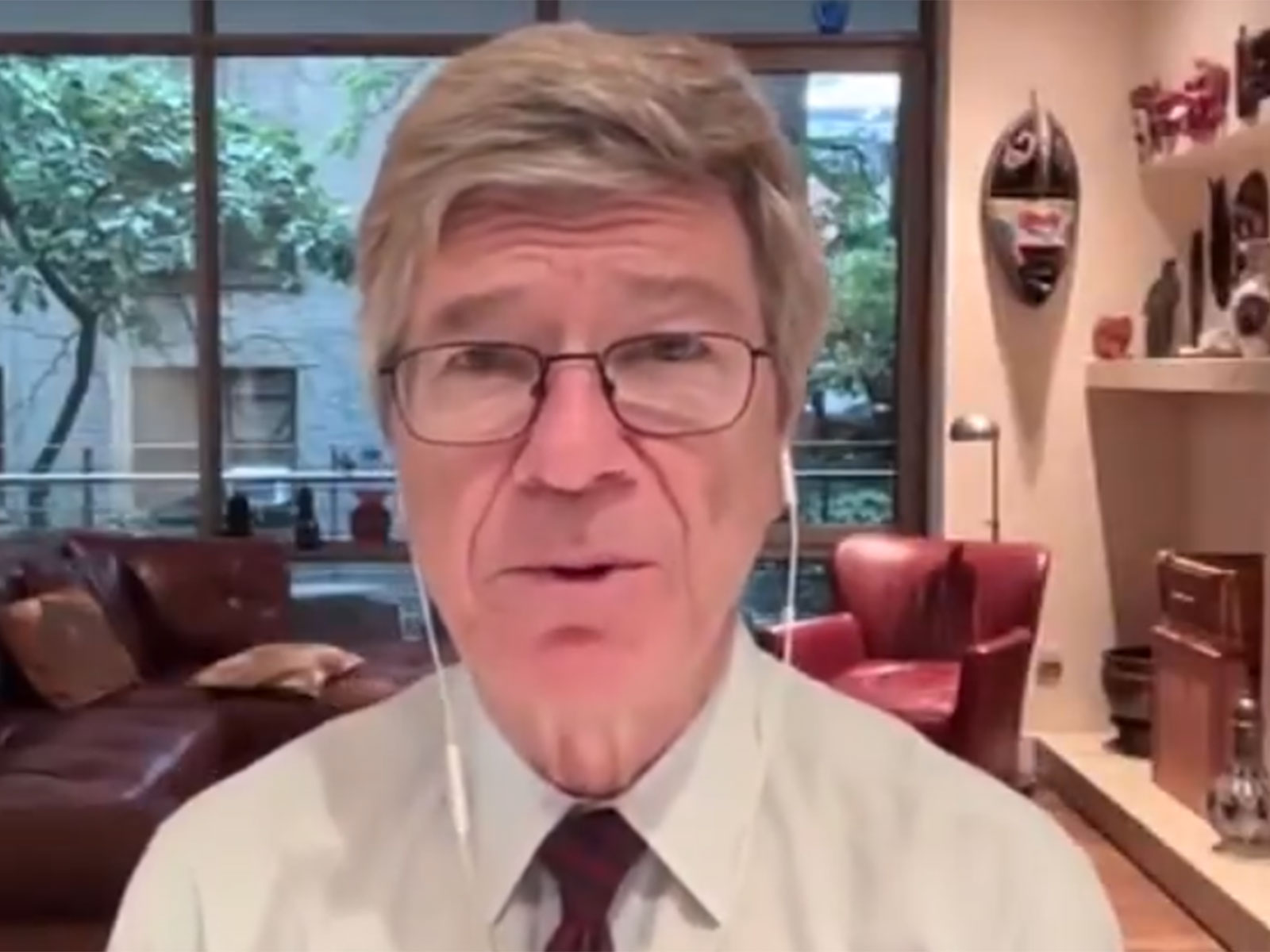
BRICS not against US, but US unilateralism: Economist Sachs backs dollar alternative amid its weaponisation
Sep 15, 2026
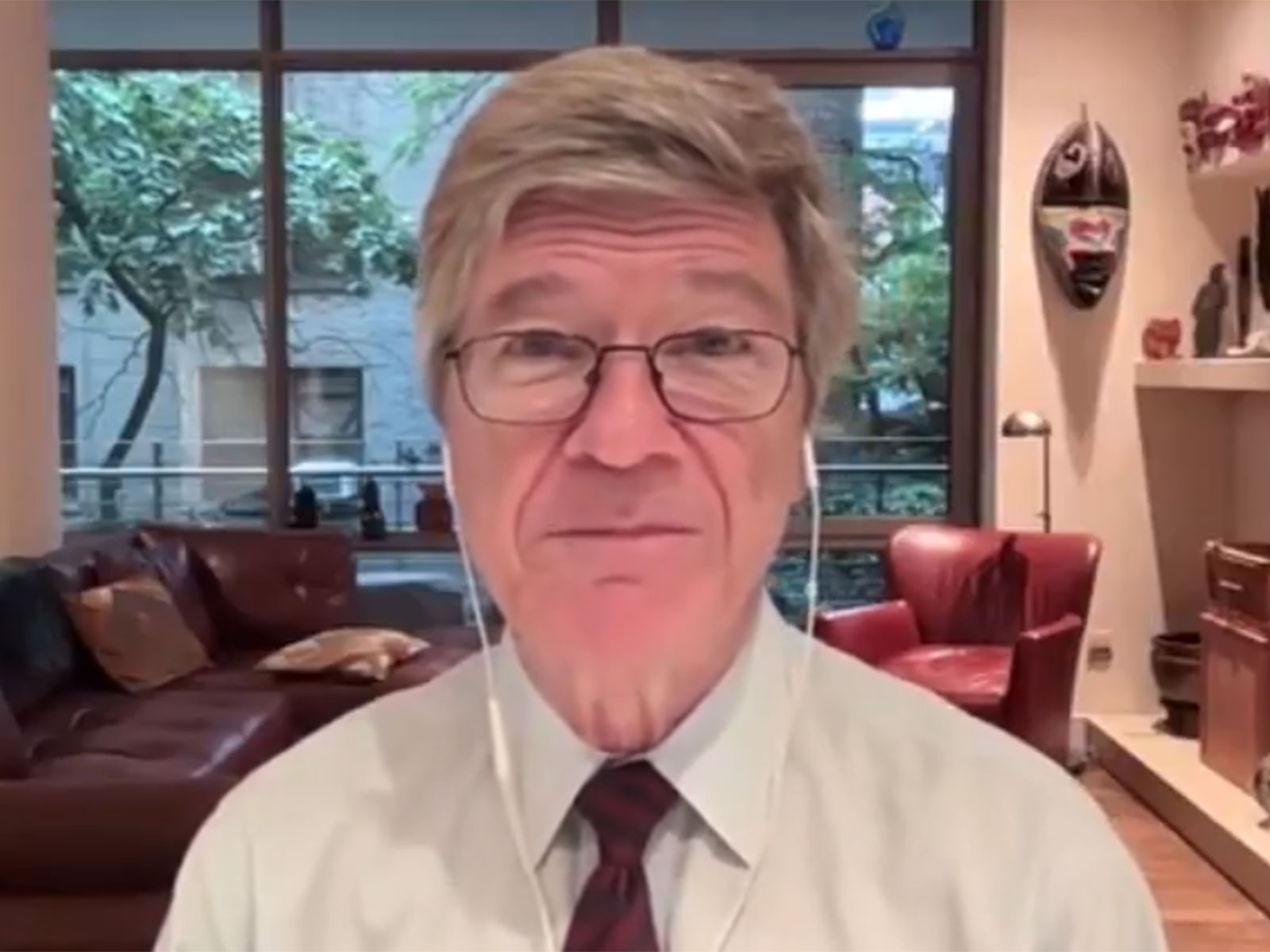
New Delhi [India], September 15 : BRICS is not an alliance against the United States but represents a push for a multipolar and genuinely multilateral global order, American economist and foreign policy expert Jeffrey Sachs said, while backing alternatives to the US dollar, citing the weaponisation of the currency.
Speaking to ANI on the recently concluded 18th BRICS Summit under India's chairship and the unanimously adopted New Delhi Declaration, Sachs said that the grouping's position reflected the emergence of a multipolar world and called for disputes to be resolved through diplomacy rather than unilateral action.
"It was an important stance of 'The World' that is not part of the US alliance, declaring, 'There's a multipolar world. We have a lot more people than you do, and you have to calm down and behave differently. We're going to have to settle issues diplomatically, not by wars of aggression by the United States, which is why we have this crisis in the Gulf region'," Sachs said.
"It wants a true multilateral system objectively. It's not saying we're an alliance against the United States. It's saying we are against US unilateralism," he added.
On whether BRICS' efforts to promote alternatives to the US dollar represented an attempt to end dollar dominance, Sachs said he supported alternatives primarily because of the use of the dollar as a foreign policy tool.
"I'm in favour of alternatives to the US dollar, not for technical monetary reasons, but because the US weaponised the dollar," Sachs said.
He cited the use of the international financial system as a means of enforcing US policy, arguing that countries should have mechanisms to conduct trade outside the dollar when they disagree with Washington's demands.
"If the United States tells India, 'Don't import from Russia,' that's illegitimate and illegal, and India should not comply with such a demand. But at the same time, the enforcement is that if you don't comply with us, we cut you out of the SWIFT bank payment system. That is why there needs to be a way for India and Russia to trade outside of the dollar," he said.
Sachs also referred to former US President Donald Trump's opposition to efforts to move away from the dollar, saying, "Donald Trump nearly blew his stack on this. It's one of the clearest statements he's made as President: 'Don't you dare move away from the dollar.' That's pretty revealing because he is reflecting the fact that the US views that as core foreign policy."
The remarks come as BRICS countries continue to discuss reducing reliance on the US dollar in trade and promoting settlements in local currencies among member nations.
BRICS countries have called for greater use of local currencies and alternative payment mechanisms, while the New Delhi Declaration acknowledged ongoing discussions on promoting trade settlements and investments using BRICS local currencies.
However, India has clarified that the discussions do not amount to a proposal for a common BRICS currency.
"There is no proposal in the BRICS for a BRICS currency, as of now," Sudhakar Dalela, Secretary (Economic Relations) in the Ministry of External Affairs, said while briefing the media after the 18th BRICS Summit in New Delhi.
Dalela said discussions on local currency settlement had been underway for some time and were aimed at making bilateral trade more efficient rather than replacing the existing global payment and settlement framework.
"Discussion on trade settlement in local currency has been underway for some time in BRICS; it's not a new subject," he said.
"We believe local currency settlement is a practical mechanism to reduce transaction cost in bilateral trade. This has been encouraged as complementary to global payment and settlement system, improving overall global trade across nations," Dalela added.
The New Delhi Declaration also recognised the ongoing discussions on promoting trade settlements and investments using BRICS local currencies, while respecting national priorities and recognising that there is no one-size-fits-all approach.
It further noted the work of the BRICS Payment Task Force (BPTF) on cross-border interoperability of payment and messaging channels and encouraged continued efforts towards practical payment solutions that are "fast, low-cost, more accessible, efficient, transparent, and safe."
The push for local currency settlements and payment interoperability forms part of broader BRICS efforts to facilitate cross-border trade and reduce transaction costs, while the group's discussions on de-dollarisation remain focused on practical alternatives rather than the creation of a single common currency.
Sachs' comments come amid the wider BRICS debate over the international financial system, with the grouping positioning its economic and financial cooperation as part of a broader push for a multipolar and multilateral global order.