China threatens countermeasures against US restrictions on advanced semiconductor access
Nov 17, 2026
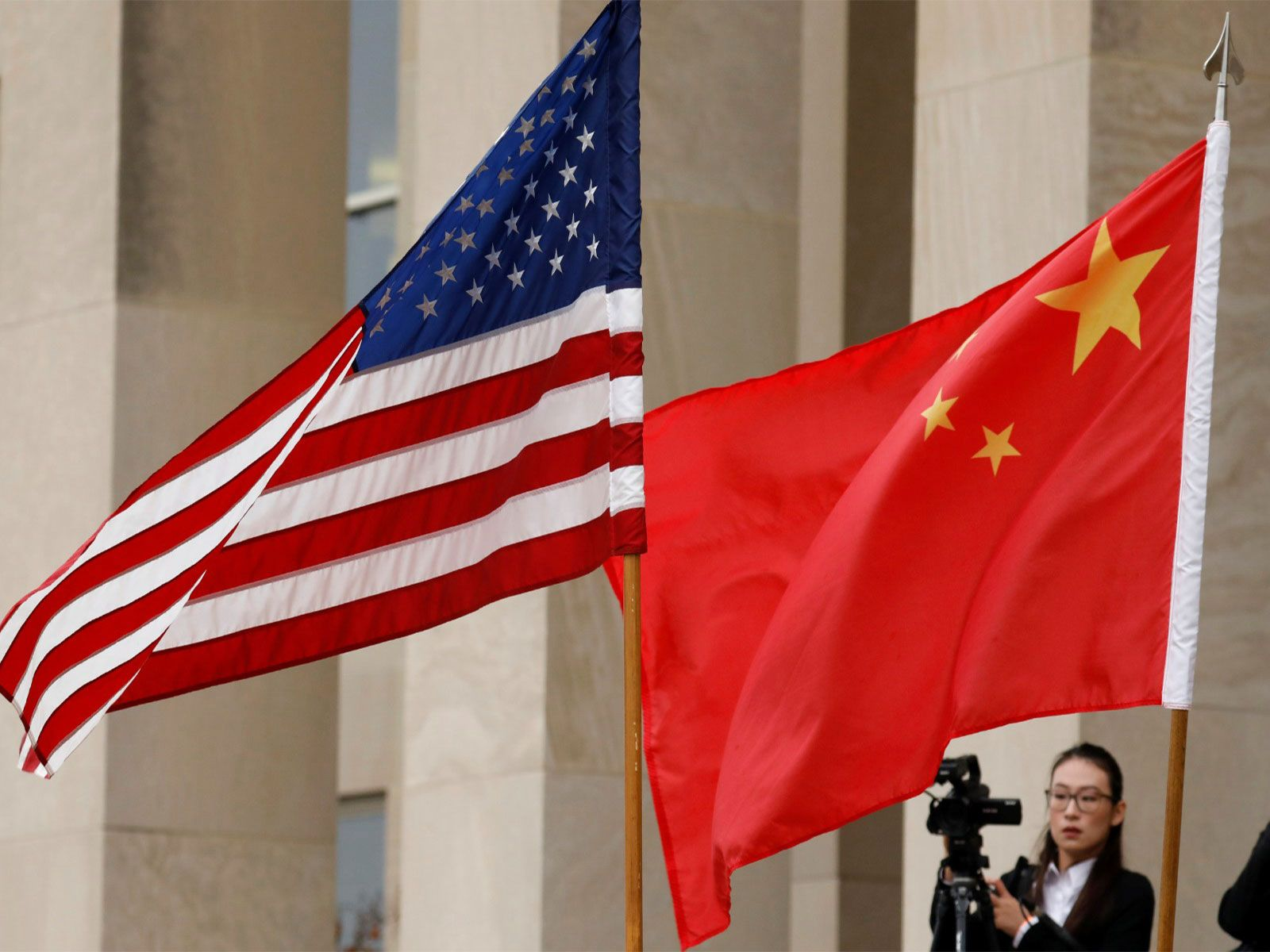
Beijing [China], November 17 : China on Tuesday strongly opposed the United States' latest restrictions on remote access to advanced semiconductors, warning that it would take countermeasures if Washington continued imposing export controls that Beijing said disrupted global semiconductor supply chains and international trade.
Responding to the US Department of Commerce's November 16 announcement, a spokesperson for China's Ministry of Commerce accused Washington of misusing national security concerns to restrict normal business cooperation between Chinese and foreign companies.
"The U.S. has generalized the concept of national security, abused export controls, and wantonly interfered in normal trade and cooperation between Chinese enterprises and enterprises of other countries," the spokesperson said.
China further argued that the measures undermined market rules and the international economic and trade order while threatening the stability of global semiconductor industrial and supply chains.
"China expresses strong dissatisfaction and firm opposition to this," the spokesperson stated.
Warning of possible retaliation, the ministry said, "If the U.S. persists in its course, China will take countermeasures to firmly safeguard its national sovereignty, security, and development interests."
The reaction follows the US Commerce Department's announcement of an interim final rule aimed at preventing Chinese companies and other restricted entities from accessing advanced American computing technology remotely through overseas data centres.
According to the US Bureau of Industry and Security (BIS), the restrictions are intended to close loopholes that allow companies to rent computing capacity from data centres in third countries without directly importing restricted semiconductors.
The new framework introduces licensing requirements for advanced semiconductor exports to overseas data centres supplying significant computing capacity to companies headquartered in restricted jurisdictions, including China.
It also introduces additional licensing requirements for advanced semiconductor shipments to Indonesia, Malaysia, Singapore, Thailand and Brazil, which Washington considers higher-risk locations for potential diversion of sensitive technology.
The restrictions come amid heightened scrutiny of Nvidia-related semiconductor exports following allegations involving Singapore-based Megaspeed International, which is suspected of facilitating Chinese access to restricted US chips through Southeast Asian data centres.
The US government maintains that the measures are necessary to prevent advanced computing technology from being used in ways that threaten national security.
Meanwhile, Beijing urged Washington to resolve differences through consultation and cooperation, arguing that the latest restrictions departed from the consensus reached between the two countries' leaders.