CJI Surya Kant says environmental issues have no geographical boundaries, calls for global deliberation
Sep 19, 2026
New Delhi [India], September 19 : Chief Justice of India Surya Kant on Saturday welcomed the National Green Tribunal’s initiative to organise an international conference on environmental and climate issues, saying such platforms provide an opportunity for experts from across jurisdictions to share ideas and best practices.
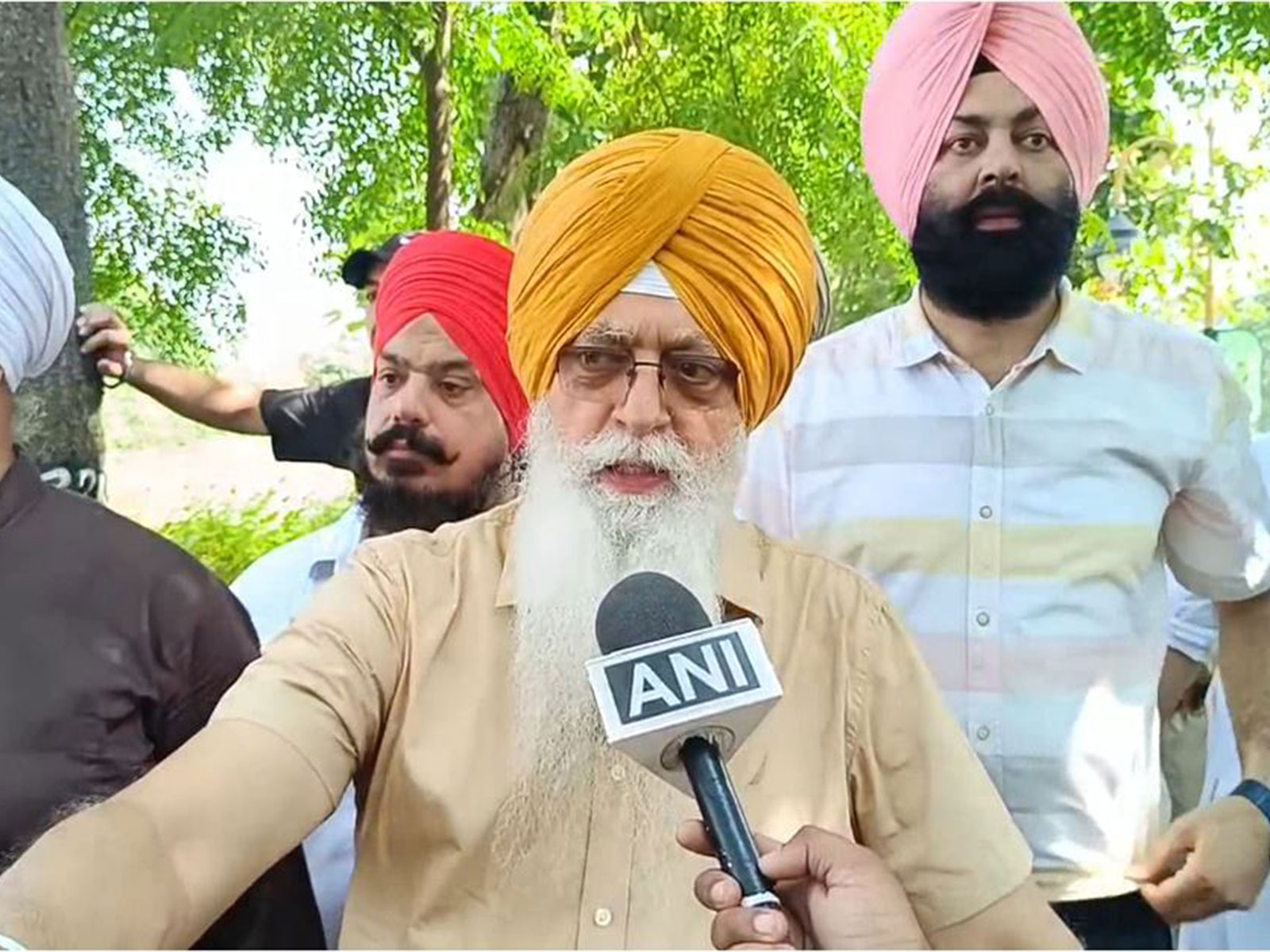
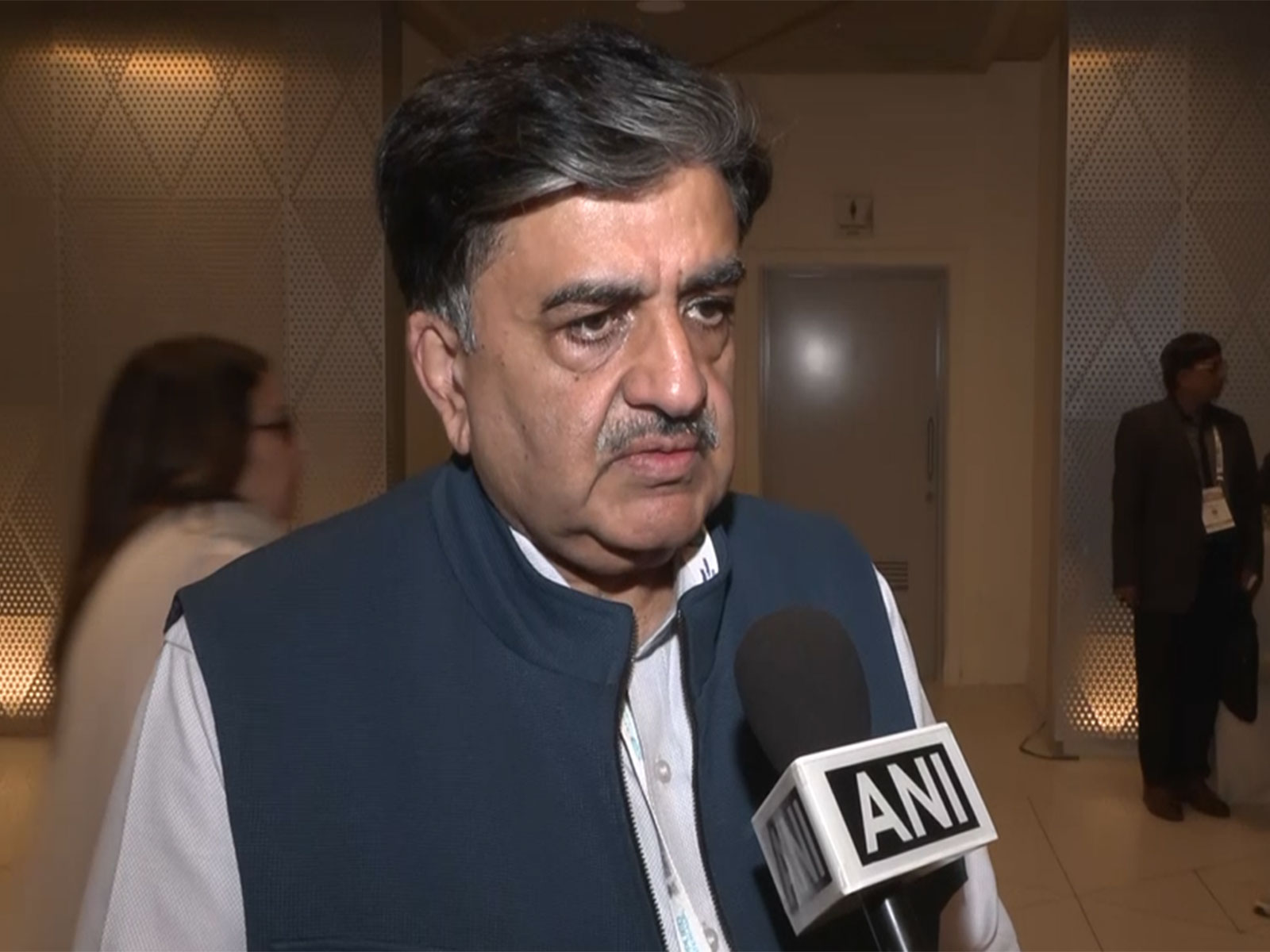
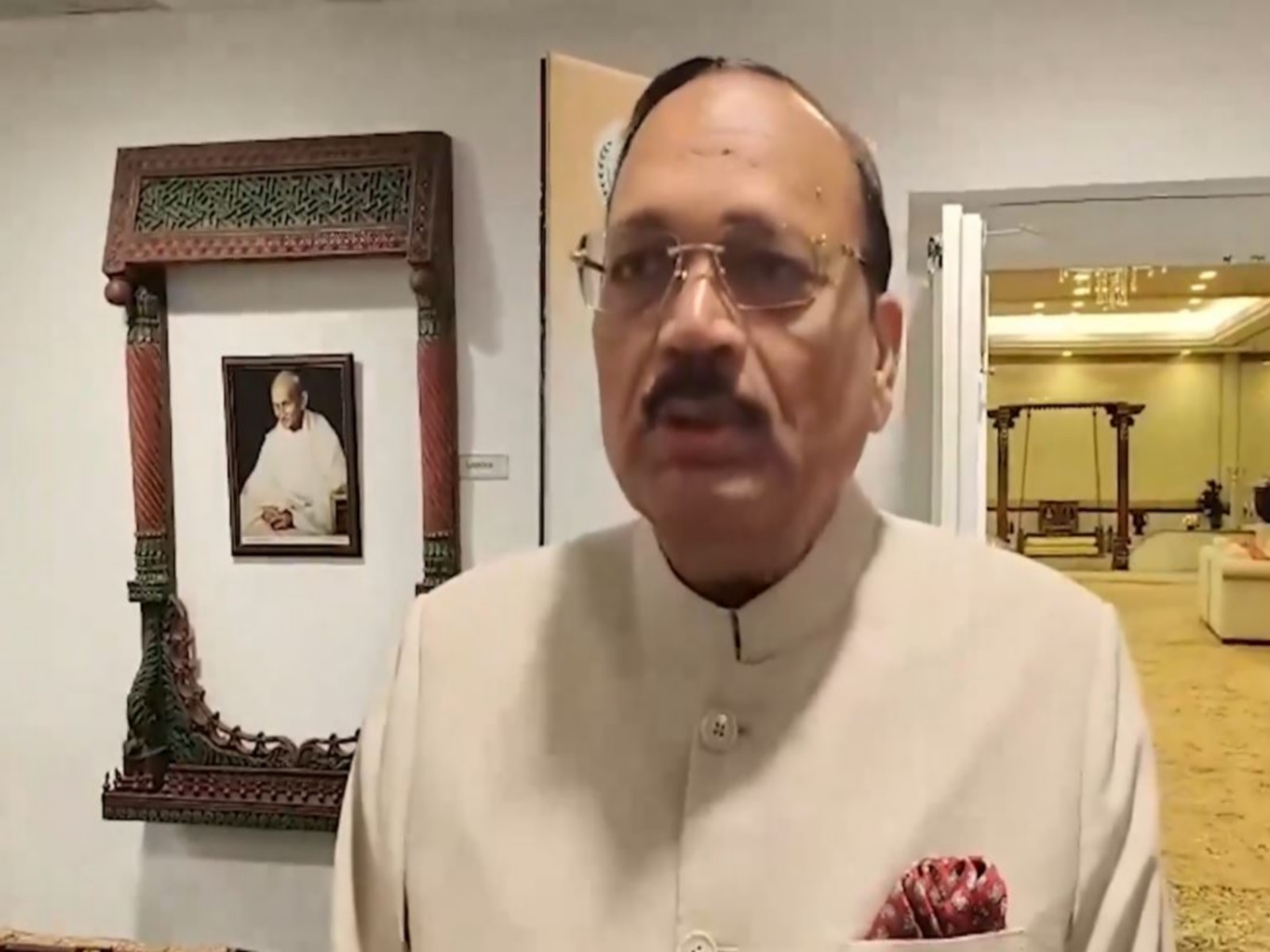
Speaking to ANI on the sidelines of the International Conference on “The Future of Environment and Climate Dynamics”, Justice Surya Kant said environmental challenges transcend geographical boundaries and therefore require coordinated global deliberations.
“This is a very welcome step by the National Green Tribunal. This kind of international conference gives a platform where the stakeholders, domain experts, scientists and all eminent personalities come together. They share their ideas, best practices and how these issues are being tackled globally in different jurisdictions,” he said.
“Environmental issues don’t have any geographical limitations, so it’s extremely important that all those who are concerned about these issues often meet and deliberate on these vital issues,” the CJI added.
Addressing the conference, Justice Surya Kant said environmental protection was deeply embedded in India’s civilisational ethos and had found an important place in the Constitution.
Referring to Articles 48A and 51A(g) of the Constitution, he said the constitutional framework reflected the responsibility of both the State and citizens towards protecting the environment.
The CJI said the Supreme Court had, over the years, developed a significant body of environmental jurisprudence, recognising the right to a healthy environment as part of the right to life under Article 21.
He referred to principles evolved through judicial decisions, including the precautionary principle, the polluter pays principle, absolute liability and the public trust doctrine.
Justice Surya Kant said environmental protection could not be viewed as an obstacle to development, stressing the importance of sustainable development and ensuring that developmental activities remained accountable to the people and the environment.
He also referred to the Court’s evolving approach of ecocentric proportionality, under which environmental protection must remain rigorous while taking into account practical realities and foreseeable conditions.
The CJI said environmental jurisprudence had progressively moved beyond merely preventing harm to include expert oversight, restoration, compensation and accountability.
He said discussions at the international conference could help strengthen understanding of emerging environmental challenges and facilitate the sharing of approaches adopted across different jurisdictions.
The NGT conference brought together judges, judicial members, policymakers, scientists, environmental experts, advocates and delegates from several countries to deliberate on climate change, environmental law, governance and environmental justice.