Confidence surges in India-US strategic alliance as trade deal nears; deep-tech, innovation in focus
Jun 30, 2026
Washington, DC [US], June 30 : The strategic partnership between India and the United States is witnessing a substantial surge in confidence, with senior officials highlighting that a long-anticipated bilateral trade pact is approaching the finishing line alongside intensifying collaboration in artificial intelligence, semiconductors, defence manufacturing and supply chain resilience.
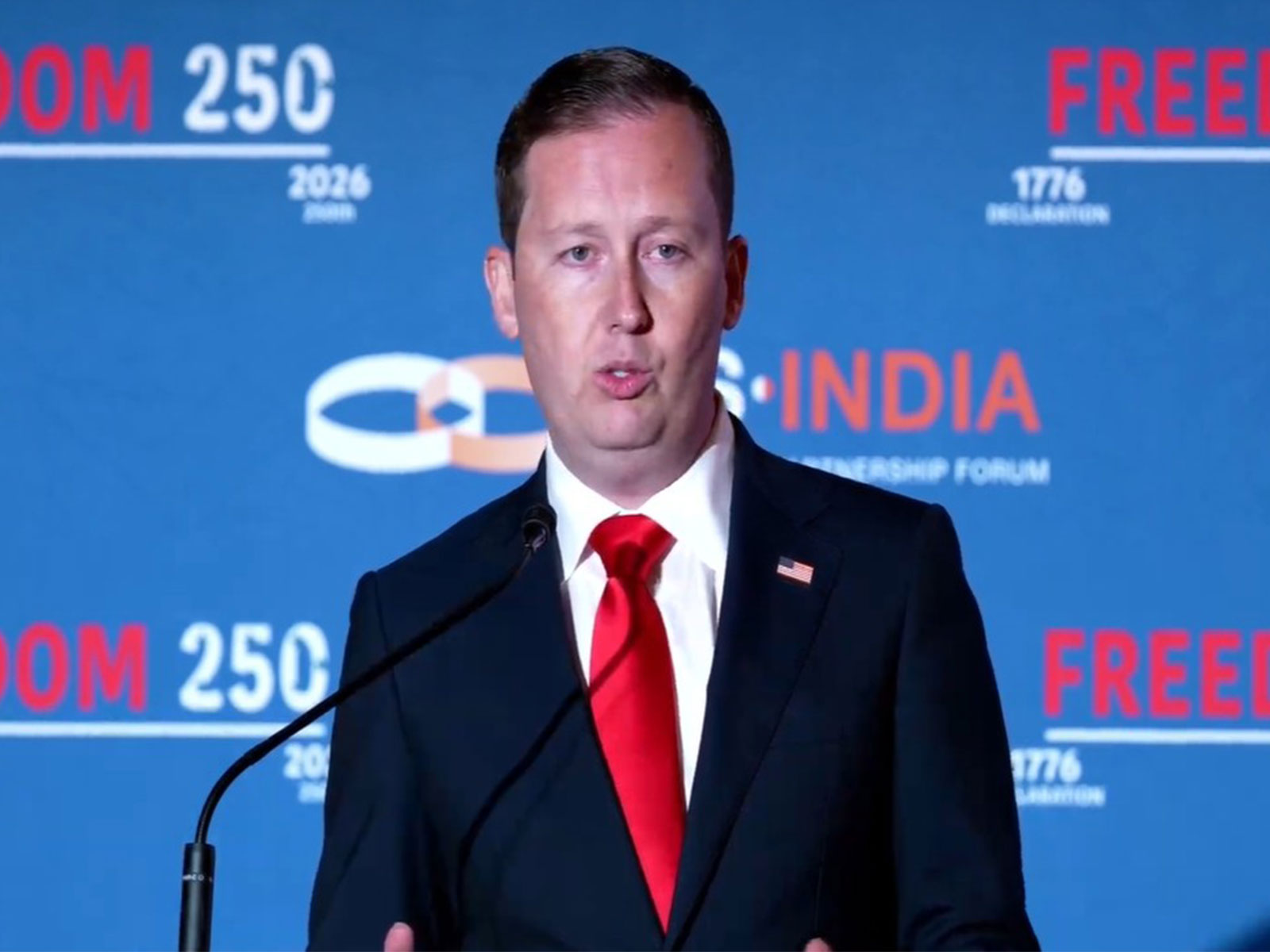
This overarching consensus materialised during the US-India Strategic Partnership Forum (USISPF) Leadership Summit, where government representatives, legislators and corporate leaders characterised the bilateral dynamic as transitioning into a fresh chapter steered by technological integration, capital flows and shared strategic alignment.
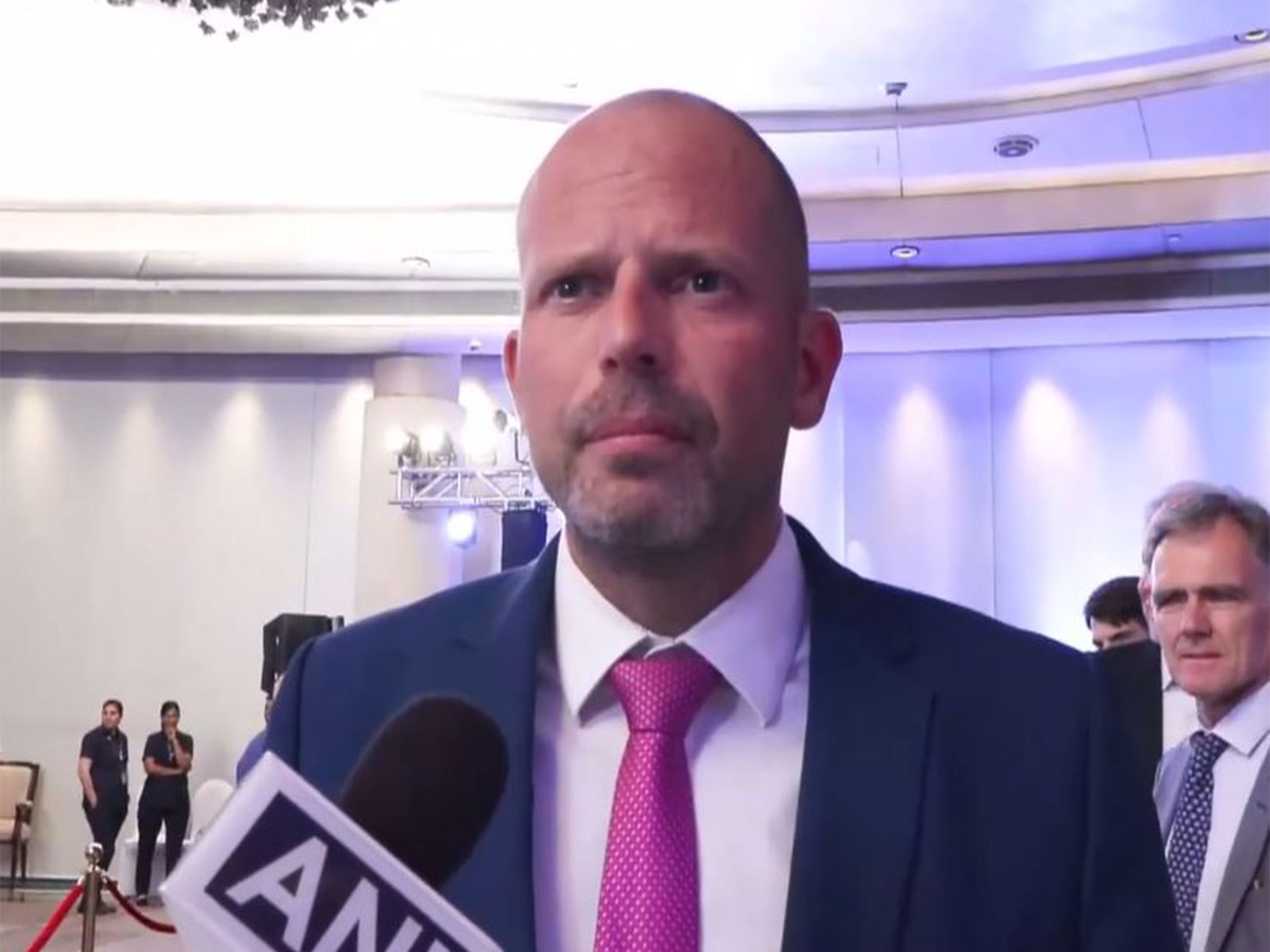
US Ambassador to India Sergio Gor confirmed that discussions regarding the bilateral trade package have advanced to their conclusive phase.
"Most of this deal is complete," Gor observed. "There's a few items that remain from both sides, but it's in the last one or 2 per cent of that deal." He stated that both administrations are actively engaged to seal the pact following nearly 18 months of intensive deliberations, characterising the prospective agreement as a "win-win situation" for both sides.
Rejecting any assertions that the bilateral equation had cooled down, Gor maintained that engagement across trade, defence and people-to-people channels remains robust. He further disclosed plans for an upcoming meeting of the Quad foreign ministers in the Philippines and noted that the American embassy in New Delhi successfully facilitated USD 20.5 billion in fresh inbound investments into the United States during the current year.
Addressing the gathering, India's Ambassador to the United States, Vinay Mohan Kwatra, asserted that New Delhi's internal economic structural shift has firmly established the country as "an indispensable anchor" of international growth, stability and reliable partnerships. He remarked that consistent regulatory reforms, industrial expansion and capital deployment in frontline technologies have set India on a definitive trajectory to scale into a USD 7 trillion economy by the turn of the decade.
Kwatra pointed to biotechnology, artificial intelligence, semiconductors and quantum technologies as the emerging domains of India-US collaboration. He added that achieving the bilateral trade target of USD 500 billion by 2030 hinges heavily on deeper structural integration across logistics networks, investments, industrial manufacturing and technical expertise.
The geopolitical dynamics of technological competition with China remained a central theme across the summit proceedings.
Jacob Helberg, the US Under Secretary of State for Economic Growth, Energy and the Environment, characterised India as "the only country on earth that fundamentally rivals China" regarding engineering expertise, framing it as Washington's premier long-term ally in constructing reliable technological frameworks.
Helberg stated that Washington is determined to reorient critical technology supply channels away from China while simultaneously coordinating with New Delhi to establish a joint artificial intelligence developer network.
Delivering the opening address, USISPF President Mukesh Aghi pointed out that American corporate entities are progressively scaling down their exposure to China while systematically expanding their production and research footprints across India.
The event additionally highlighted strong bipartisan consensus within Washington to deepen ties with New Delhi.
Republican Senator Steve Daines noted that the combination of India and the United States stands as the sole alignment capable of countering China's expansive footprint in innovation.
Concurrently, Democratic Senator Mark Warner labelled India as one of America's "top two or three" strategic allies for the long haul. Democratic Representative Ro Khanna maintained that the bilateral matrix must remain rooted in shared democratic principles alongside expanding security and commercial interfaces.
Offering a historical viewpoint on the relationship, former US Ambassador Kenneth Juster termed mutual people-to-people linkages as the "secret sauce" that has continuously anchored bilateral equations over successive decades. He also introduced USISPF's special commemorative coffee table book titled We the People: 250 Voices that Have Shaped the US-India Relationship.
The overarching deliberations highlighted a mutual recognition that India-US engagement has evolved far beyond its conventional emphasis on diplomacy and military ties, with policymakers and corporate chiefs consistently identifying technology, supply chain flexibility, manufacturing, energy security and capital investments as the cornerstone pillars of the relationship's upcoming phase.