Congress takes potshots at PM Modi, says uranium supply from Australia possible due to India-US nuclear deal done by UPA government
Jul 09, 2026
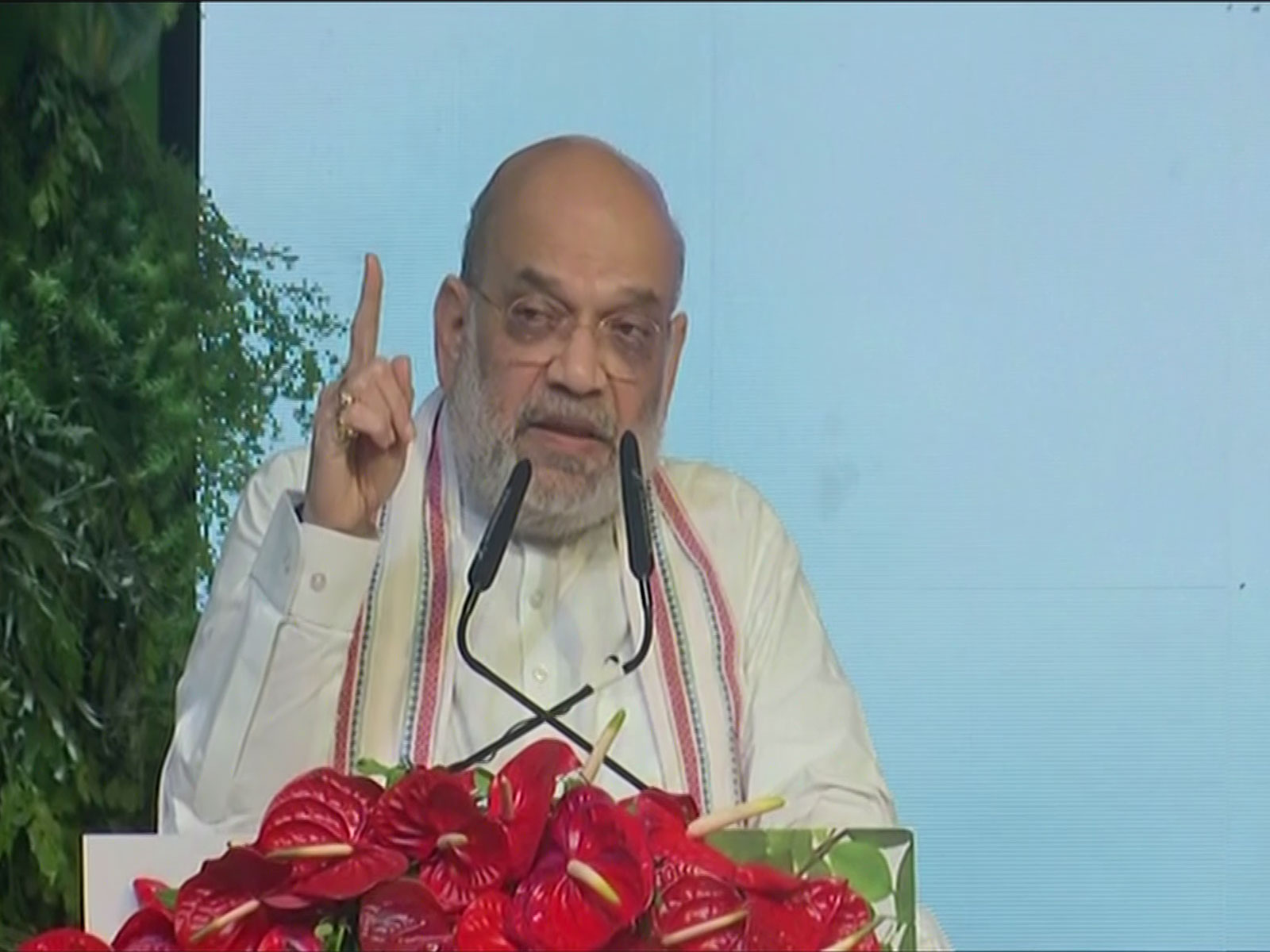
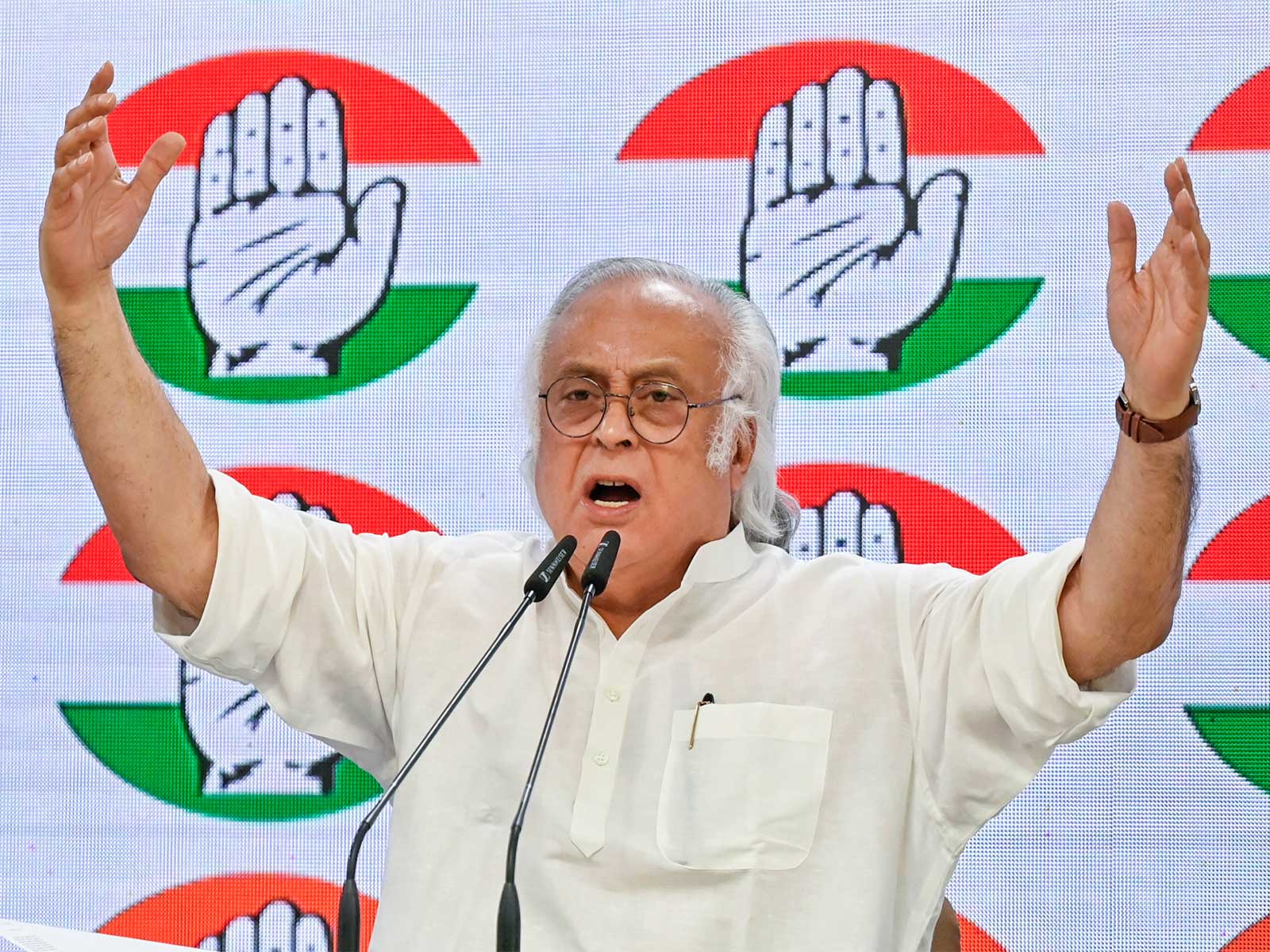
New Delhi [India], July 9 : Congress leader Jairam Ramesh on Thursday said that the announcement about the implementation of the agreement for uranium supply from Australia to India has been possible due to the civil nuclear agreement signed with the US during the Congress-led UPA government and noted that the deal had been opposed by the BJP.
Taking potshots at Prime Minister Narendra Modi, Jairam Ramesh said that he proudly said that Australia would supply uranium to India but it was a Congress-led government that created the turning point.
"Award-Jeevi has proudly announced that Australia is to supply uranium to India. This has been made possible ONLY because of the United States-India Nuclear Cooperation Agreement that finally became law on October 8, 2008. It was Dr. Manmohan Singh's meeting with President George Bush in July 2005 that had kickstarted the negotiations," he said.
"The BJP had all along opposed this transformative accord both in Parliament and outside. The Congress creates turning points while the BJP specialises in U-turning points," he added.
India and Australia on Thursday finalised the administrative arrangement of the Civil Nuclear Agreement, which operationalises the agreement signed in 2014 and enables the supply of uranium to India.
Answering queries during a special briefing on Prime Minister Narendra Modi's visit to Australia, Foreign Secretary Vikram Misri said there was a requirement for an administrative arrangement in the civil nuclear agreement but it had not been possible to operationalise it because there wasn't agreement fully on reporting-related issues.
"India and Australia had signed a civil nuclear cooperation agreement as far back as 2014. That agreement foresees cooperation in a whole host of activities and not just uranium supply. When it comes to uranium supply, there was the requirement for an administrative arrangement, which had been concluded as well, but it had not been possible to operationalise it because there wasn't agreement fully on reporting-related issues," he added.
"Given the fact that India and Australia bilaterally did not have an agreement on that issue, the arrangement needed to be brought in line with one that would satisfy both sides and provide confidence that reporting procedures and protocols were in place," he added.
Misri noted that after "very intense discussions" over the past two years, both countries were able to resolve the outstanding issues and finalise the necessary framework.
"This is a G-to-G agreement that has put in place a framework that ensures that issues related to accounting, etc., are now fully catered to. When it comes to the actual supply, these are matters that'll have to be taken up between what I understand are private entities on the Australian side, because it is private Australian companies that are involved in the uranium trade and their counterparts on the Indian side, organisations that are ordinarily involved in importing uranium from other sources," he said.
"These two entities would now get in touch and start concluding commercial contracts for the supply of uranium," Misri added.
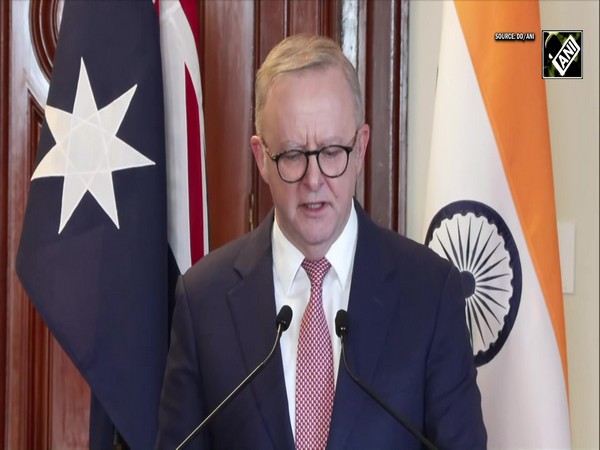
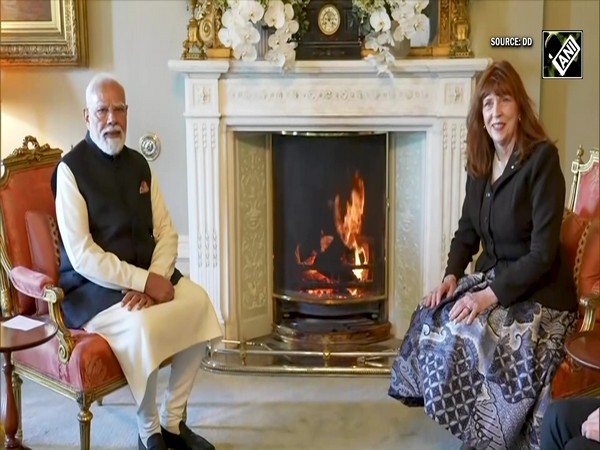
The joint statement released after meeting between PM Modi and his Australian counterpart, Anthony Albanese, said both Prime Ministers welcomed finalisation and signature of the Administrative Arrangement, which will enable long-term Australian uranium exports to India for exclusively peaceful purposes and under IAEA safeguards.Australia reiterated its strong support for India's membership of the Nuclear Suppliers' Group.
In his remarks during press statements with Albanese, PM Modi said that the two countries have reached an important agreement concerning nuclear energy which will pave the way for supply of uranium from Australia to India. He said this will give new strength to India's clean energy goals.