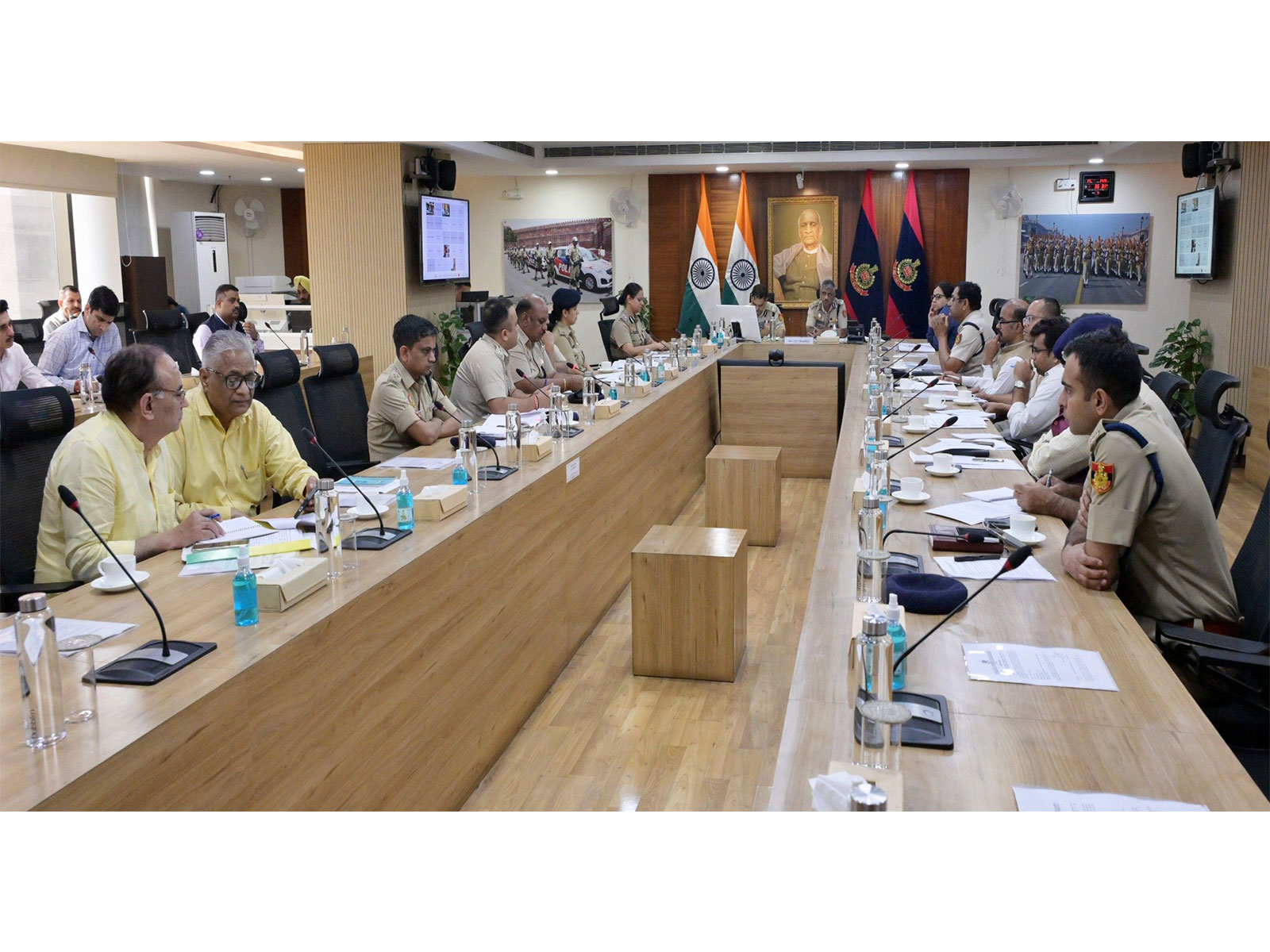
Delhi Traffic Police holds inter-state coordination meeting to review GRAP-I measures
Oct 22, 2026
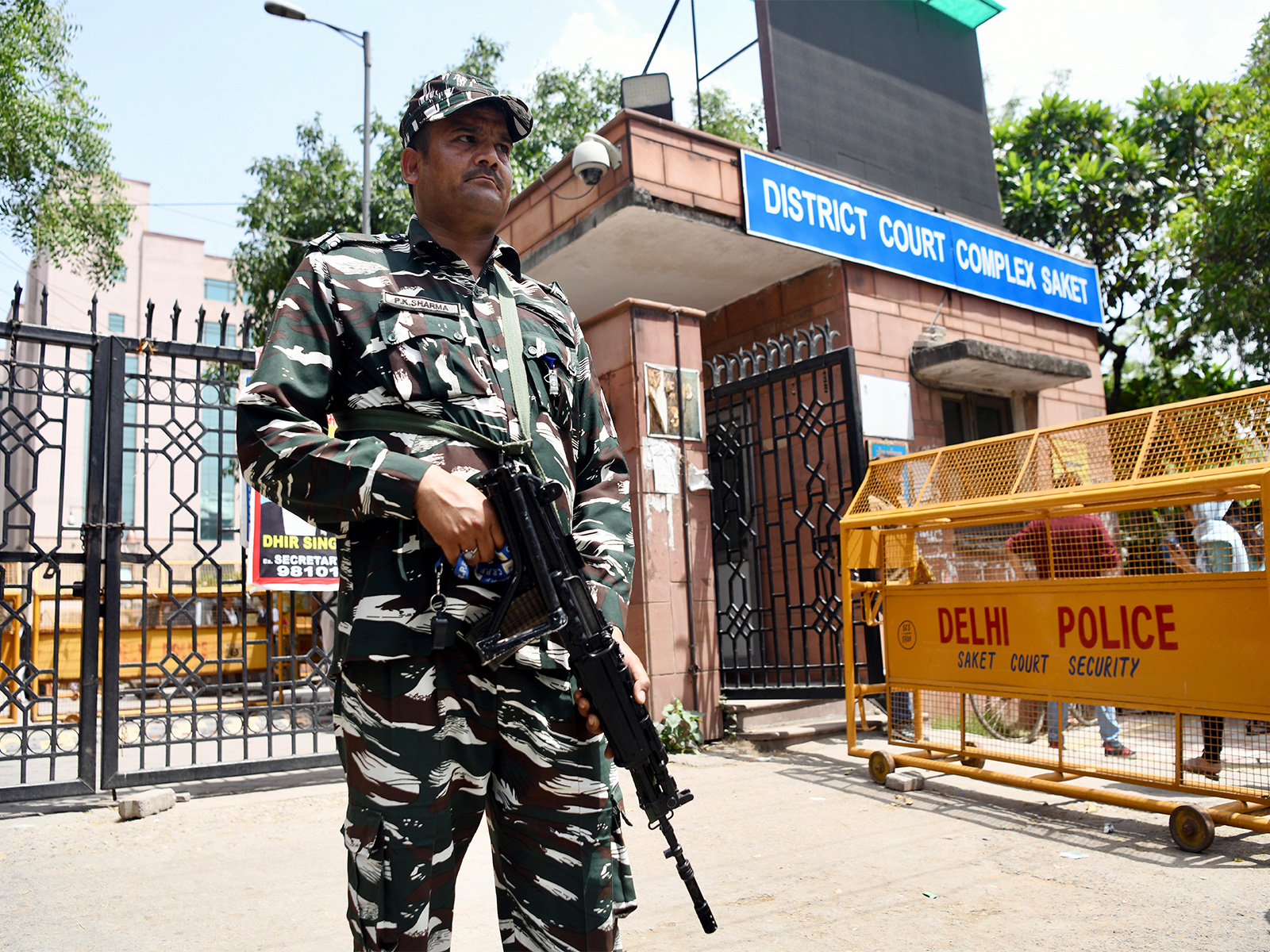
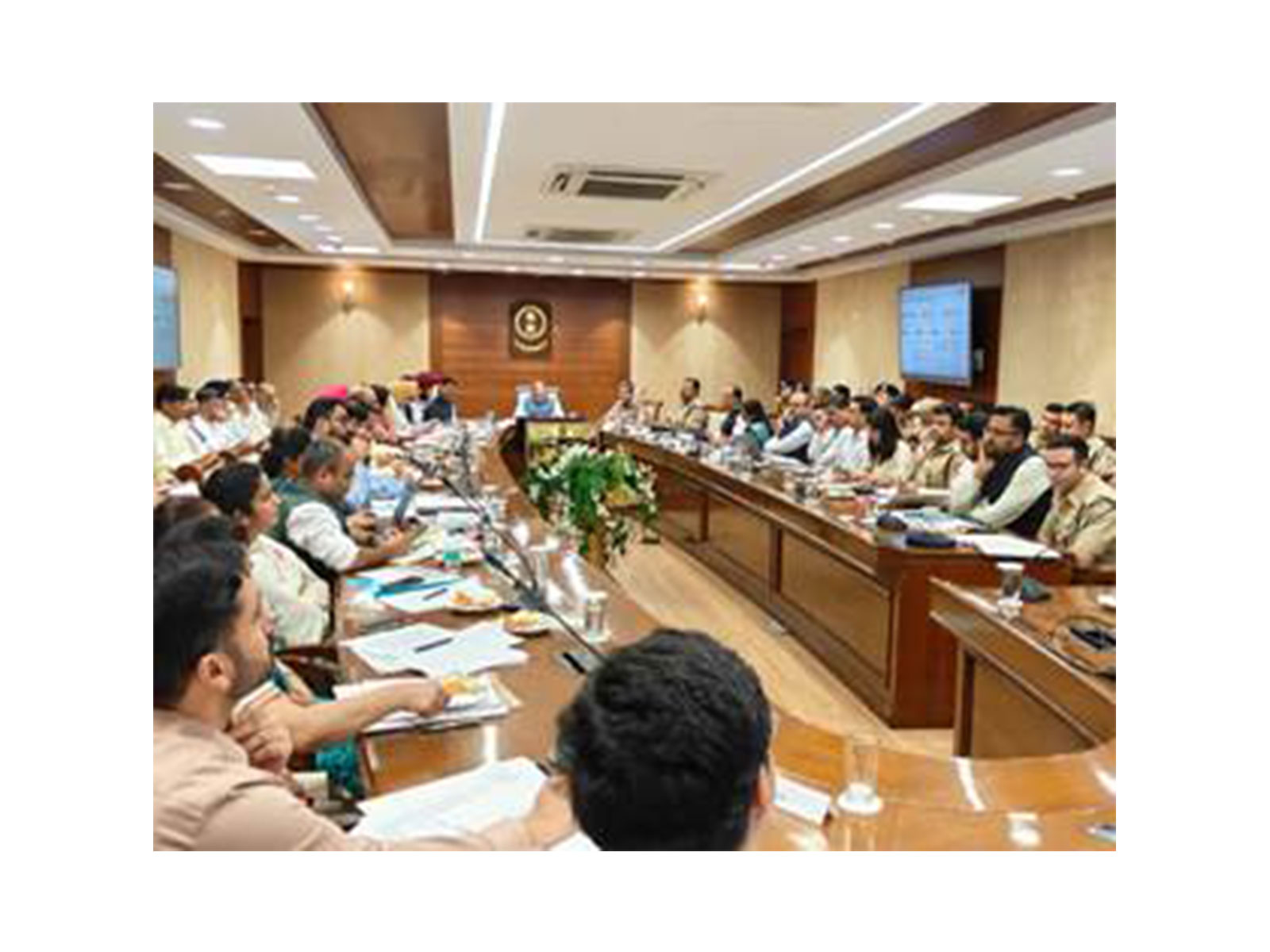
New Delhi [India], October 22 : Delhi Traffic Police held an inter-state coordination meeting on Thursday to review Graded Response Action Plan (GRAP) Stage-I measures. Authorities discussed diverting non-compliant buses at Delhi borders, enforcing vehicle entry restrictions from November 1 to January 31, checking pollution certificates, and curbing road dust and construction-related pollution. Agencies were directed to ensure time-bound implementation of CAQM guidelines and strengthen real-time coordination.
Earlier, the first stage of the GRAP was implemented across the city, Delhi Police officials said on Thursday.
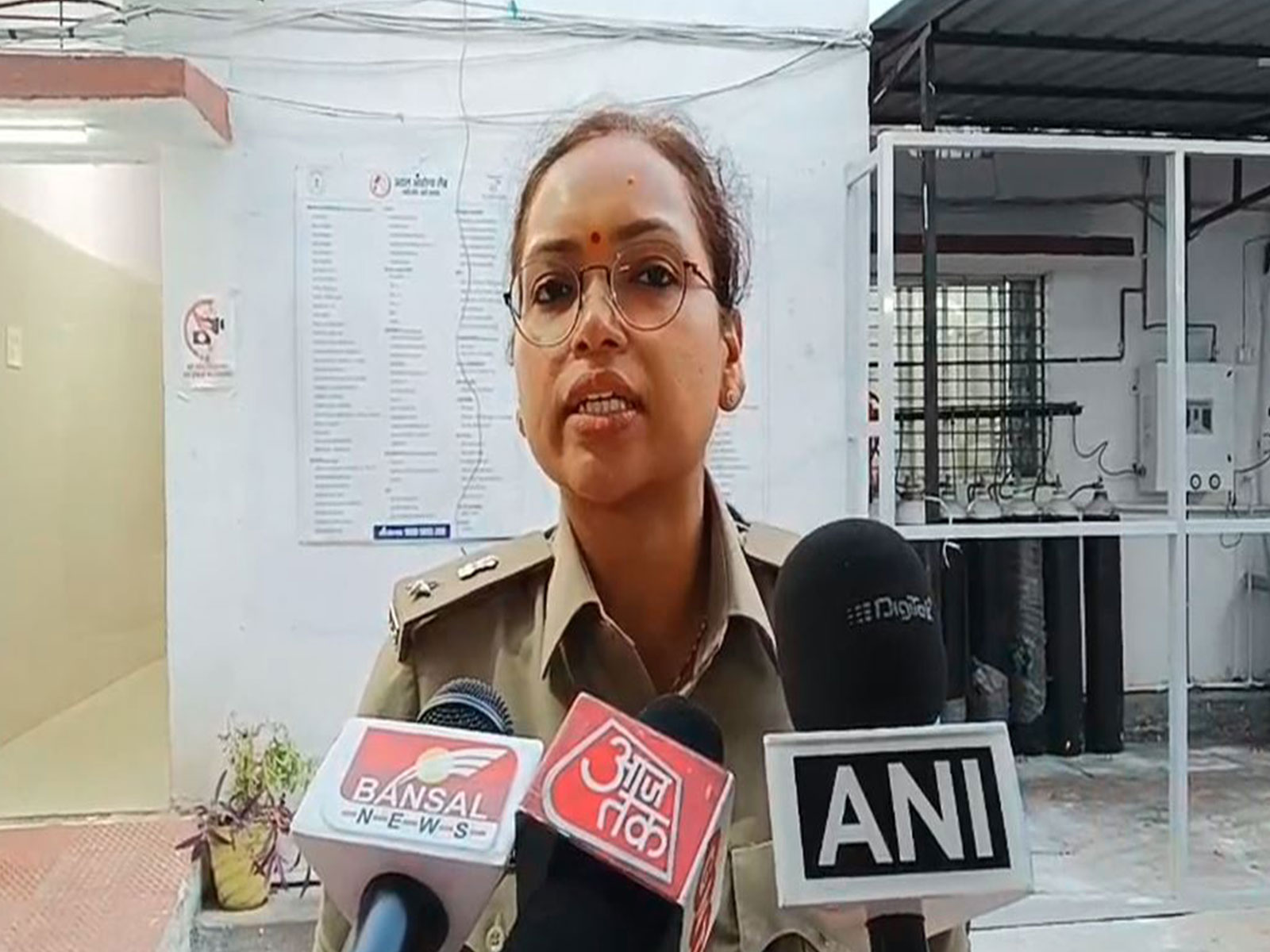
Speaking to reporters, Delhi Police Additional Commissioner of Police (Traffic), Vijayanta Goyal Arya stated that the Delhi Traffic Police will make appropriate deployments to minimise congestion.
To curb pollution, Arya disclosed that non-destination commercial vehicles will be diverted at the borders. Additionally, action against vehicles with expired certificates will be intensified in the future. She advised citizens to carry their valid Pollution Under Control (PUCC) Certificates.
Documenting the measures, she urged citizens to use public transport as much as possible and adhere to traffic regulations to collectively improve the environment and reduce traffic-related inconvenience in the city.
"The first stage of the Graded Response Action Plan (GRAP) has been implemented in Delhi. Accordingly, Delhi Traffic Police will make appropriate deployments to minimise congestion. We appeal to the public to keep their Pollution Under Control Certificates (PUCCs) valid. Action against vehicles with expired certificates is ongoing and will be intensified. Non-destination commercial vehicles will be diverted at the borders... We also urge people to use public transport as much as possible and follow traffic rules so that we can collectively improve Delhi's environment and minimise traffic-related inconvenience..." said Arya.
These measures come after the national capital recorded an Air Quality Index (AQI) of 226 at 7 am, falling in the "poor" category, according to data from the Central Pollution Control Board (CPCB).
According to CPCB, Jahangirpuri recorded an AQI of 309 and Chandni Chowk 307, both falling in the 'very poor' category. Alipur recorded an AQI of 273, Anand Vihar 237, Ashok Vihar 223, Bawana 275, Patparganj 298, Rohini 291, Wazirpur 253, Akshardham 237 and ITO 280, all falling in the 'poor' category.
Under CPCB guidelines, an AQI between 0 and 50 is categorised as "good", 51 to 100 as "satisfactory", 101 to 200 as "moderate", 201 to 300 as "poor", 301 to 400 as "very poor", and 401 to 500 as "severe".