EU Ambassador urges investment liberalisation in India-EU FTA, calls for early conclusion of investment protection pact
May 08, 2026
New Delhi [India], May 8 : In a significant push for deeper economic integration, the European Union's Ambassador to India, Herve Delphin, advocated for the inclusion of an investment liberalisation chapter within the landmark free trade agreement (FTA) between the two powers. Delphin also called for the rapid finalisation of a separate investment protection pact to solidify the legal ground for businesses.
The 27-nation bloc and India recently marked a breakthrough on 27 January by announcing the conclusion of negotiations for the FTA, a deal widely celebrated as the "mother of all deals". Under the proposed terms, a vast array of Indian products will gain duty-free entry into the European market, while Indian consumers can expect a price drop for European luxury vehicles and wines.
Currently, both partners are immersed in the legal vetting of the expansive, 1,000-page document, a process slated for completion this July. On Thursday, the Ambassador noted that the pact is anticipated to be signed within this calendar year, with a projected implementation date in early 2027. Highlighting the scale of the partnership, he stated that the agreement impacts roughly two billion people, representing "a quarter of the global population and a quarter of the global GDP."
Despite the progress, Delphin pointed out that the current framework leaves certain stones unturned. "The FTA does not cover all relevant areas. And we need to look at what I call unfinished business and beyond FTA. And investment is the main case in point," he remarked during a Federation of European Business in India (FEBI) gathering.
He emphasised that while European firms are eager to expand their Indian footprint, the right environment must be fostered. "And European companies not yet present in India want to come and are ready also to invest more. But you need to create the favourable conditions. So this FTA, and it has already been noticed by the specialists, doesn't have a chapter on investment liberalisation in non-services sectors," he explained.
Delphin suggested that such a provision would have acted as a significant "boost and encouragement to the private sector." Looking ahead, he proposed that both sides "should revisit this area two years down the road after the entry into force of the FTA, as envisaged in the review clause, to see whether we can find common ground and address this missing element of the investment liberalisation chapter."
Beyond the FTA, the Ambassador stressed the urgency of concluding the Investment Protection Agreement (IPA). This secondary pact is intended to provide investors with a "solid legal framework and an additional incentive to expand their footprint in India." He noted that both political leaders and the corporate world are eagerly awaiting this development.
Furthermore, Delphin highlighted the need to settle a third parallel track: the agreement on geographical indications (GIs). He stated this would "also give a boost to trade by ensuring proper protection of Indian and the EU's iconic products, whether Darjeeling tea or Roquefort cheese."
With approximately 6,000 European companies already operating in India and an FDI stock exceeding 140 billion euros, the Ambassador remains bullish on the future. "So the opportunities arising from the FTAs are pretty clear, and now the challenge is to turn these opportunities into achievements," he said.
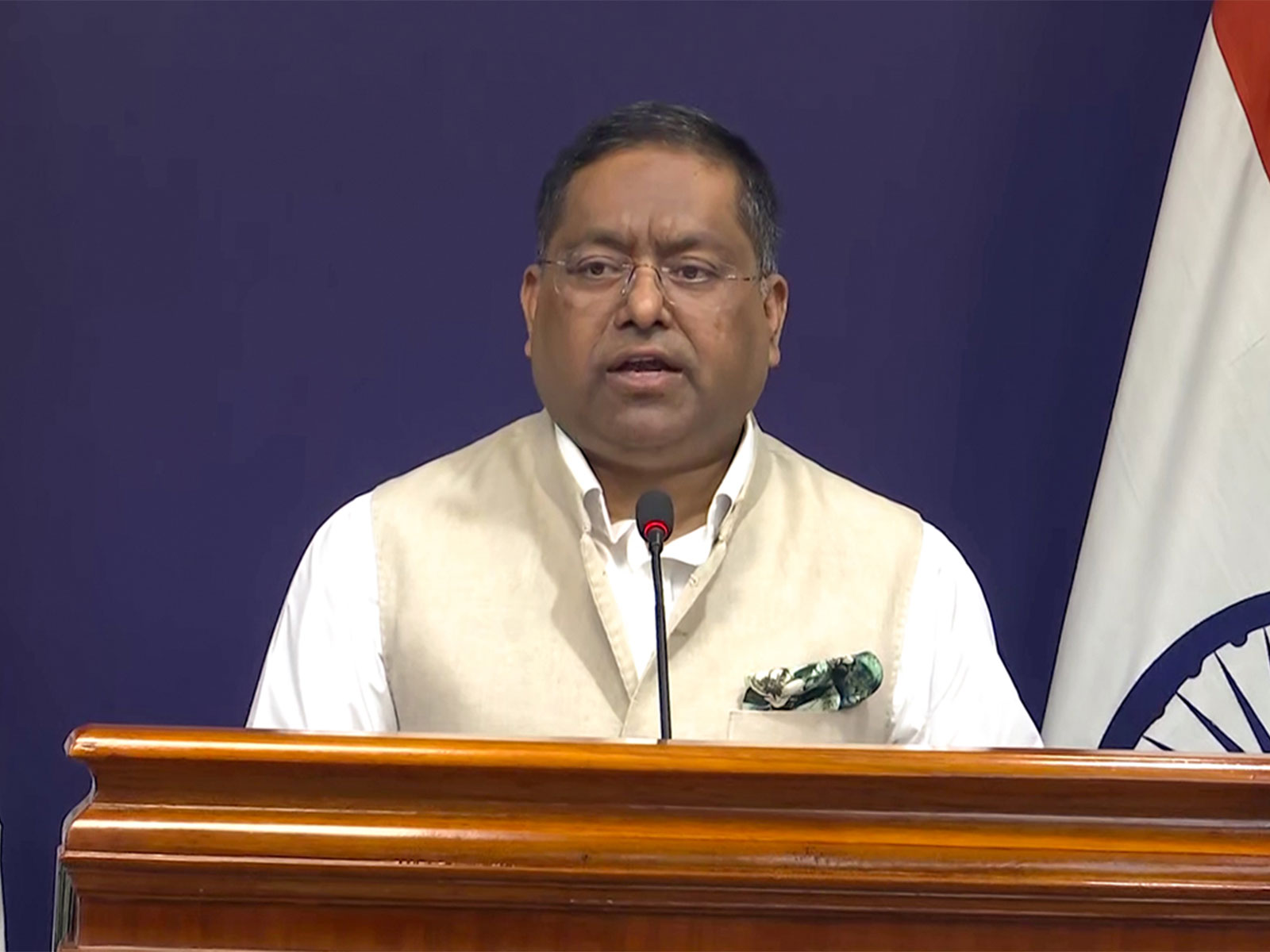
Responding to the call for future expansion, India's chief negotiator, Darpan Jain, confirmed that the government is attentive to the investment concerns. "That is something which we plan to work on in future," Jain remarked, noting that officials are currently "working" on the matter.
The FTA promises a massive reduction in trade barriers, with the EU set to slash duties on over 99 per cent of Indian goods, while India will provide enhanced access for nearly 97 per cent of EU exports. "So we will have, on the EU side, European customers benefiting from cheaper Indian textiles, leather, footwear, gems, jewellery, tea, coffee, spices, marine products, to name a few. And Indian businesses will see lower prices on EU industrial goods like machinery, aircraft, or medical equipment," Delphin detailed.
With bilateral trade already exceeding USD 190 billion, the Ambassador cited historical data showing that trade typically grows "twice as fast" under an FTA. He predicted that EU goods exports to India could potentially double by 2032, ensuring that "Indian companies will be well positioned to significantly increase their sales to the EU."