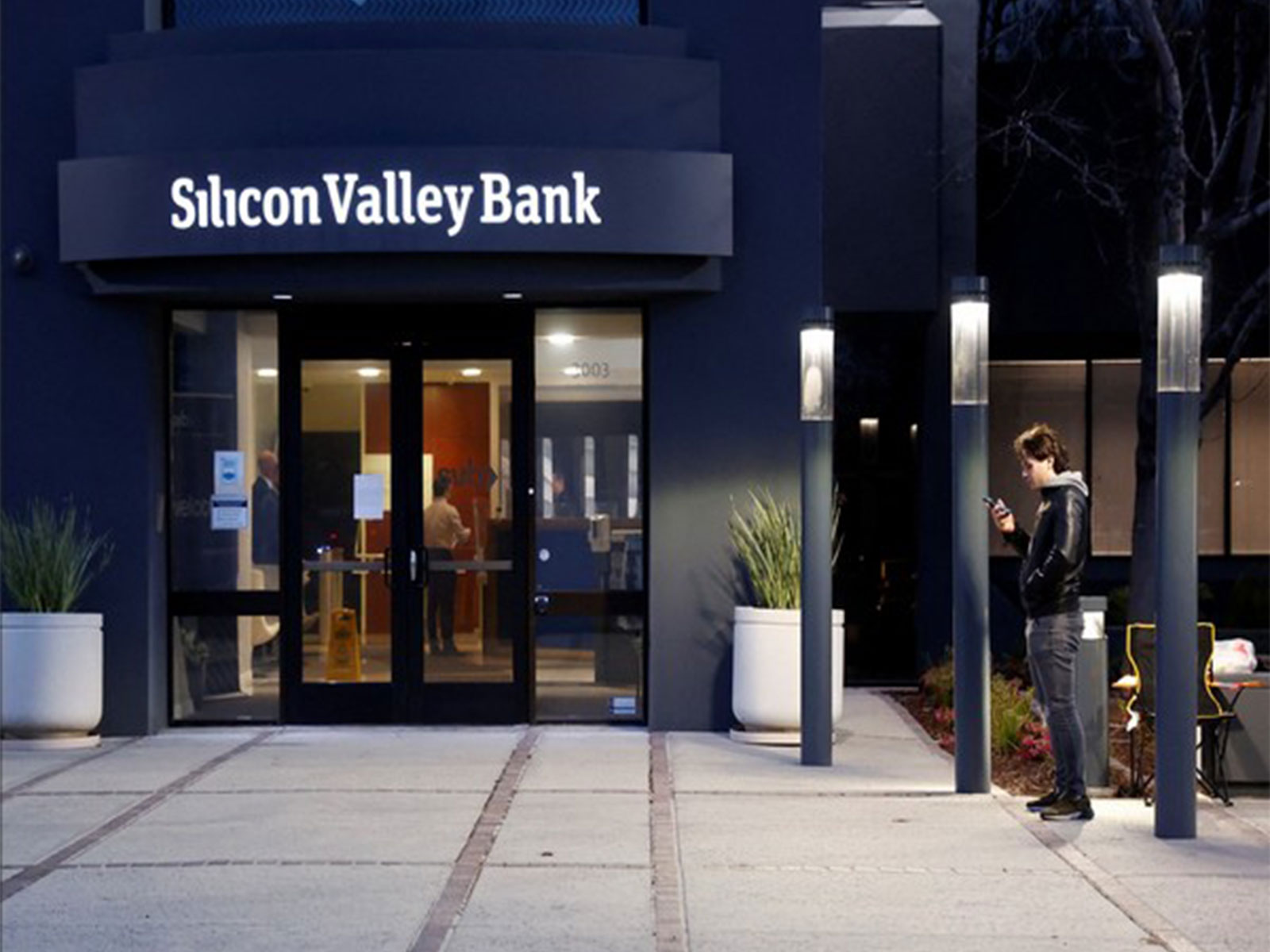
Fed review finds supervisory delays contributed to Silicon Valley Bank failure
Sep 19, 2026
London [UK], September 19 : An independent review of Silicon Valley Bank’s (SVB) 2023 failure has found that Federal Reserve supervisory staff knew, or should have known, about key vulnerabilities at the bank as early as March 2022, but failed to take prompt and decisive action to address them.
The initial findings were released by Federal Reserve Vice Chair for Supervision Michelle Bowman at the Lord Mayor of London’s luncheon at Mansion House on Friday. Bowman said the review by Starling Advisory Group examined whether supervisors had identified SVB’s vulnerabilities in advance, why action was delayed and whether supervisory inaction contributed to the bank’s failure.
SVB collapsed in March 2023 after a rapid run on deposits exposed weaknesses in its balance sheet. The bank had invested heavily in longer-term securities whose market value fell as interest rates rose, while 94 per cent of its deposits were uninsured and concentrated among venture capital-backed technology companies. On March 8, 2023, SVB announced a USD 1.8 billion after-tax loss from selling securities and sought to raise capital. More than USD 40 billion in deposits were withdrawn the following day, while the bank expected further outflows of more than USD 100 billion, leading regulators to close it on March 10.
According to the new review, SVB’s failure resulted from a combination of unrealised accounting losses on its securities portfolio that exceeded its capital, a run-prone deposit base and inadequate operational readiness to borrow from the Federal Reserve’s discount window. The review also found that supervisory delays were not caused by the regulatory tailoring framework introduced in 2018 or by directives from the former Vice Chair for Supervision.
A significant factor behind supervisory inaction was a long-standing culture of risk aversion, the review said. Staff were concerned about acting unless they were certain that their actions were correct, while unclear decision-making authority further complicated the process.
The review also found no evidence that social media triggered or accelerated the bank run, noting that 96 per cent of social media discussion about the run appeared after SVB’s failure had become inevitable.
In response, the Federal Reserve has introduced measures to strengthen supervisory oversight, including monthly reporting of unresolved supervisory concerns directly to senior officials and greater flexibility for examiners to respond to material vulnerabilities.