“From the dawn of civilisation, India has held eternal reverence for Mother Nature": says CJI Surya Kant
Sep 19, 2026
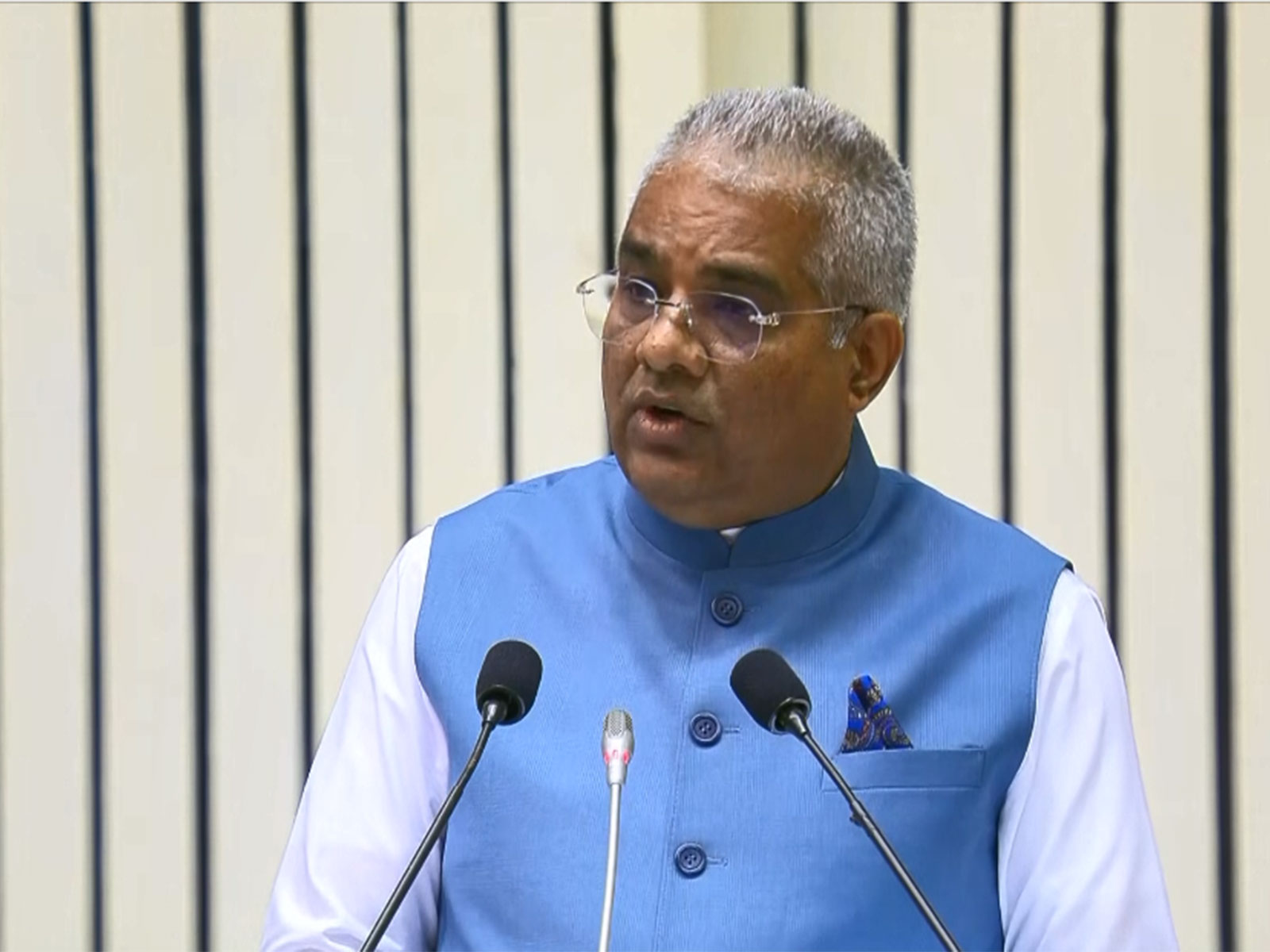
New Delhi [India], September 19 : Chief Justice of India Surya Kant said the idea of preserving the Earth was deeply embedded in India’s heritage, with the country’s longstanding reverence for nature finding an echo in the Constitution.
Speaking at the International Conference on “The Future of Environment and Climate Dynamics” in Delhi, CJI Surya Kant said the Constitution was “not a mere political charter” but a “moral covenant with past, present and future generations”.
“From the dawn of civilisation, India has held eternal reverence for Mother Nature. This profound respect for the living tapestry of the environment has found its echo in the founding document of our Republic,” he said.
Referring to the constitutional framework, the CJI said Article 48A directs the State to protect and improve the environment, while Article 51A(g) calls upon every citizen to protect and improve the natural environment.
He said constitutional provisions were only the beginning and required judicial interpretation to translate them into meaningful protections.
“Yet, the words of the Constitution are but seeds. They need the nurturing waters of judicial wisdom to sprout into life,” CJI Surya Kant said.
He described the Supreme Court as the “banyan tree of environmental justice”, saying its environmental jurisprudence was rooted in India’s civilisational ethos and had sought to protect the rights of future generations.
The CJI said the Supreme Court had, over the decades, played a significant role in developing environmental jurisprudence and had evolved principles aimed at balancing development with ecological sustainability.
He said the Court had recognised the right to a healthy environment as part of the right to life under Article 21 and developed key principles including the precautionary principle, the polluter pays principle, absolute liability and the public trust doctrine.
According to the CJI, these principles placed responsibility on authorities and those causing environmental damage to prevent harm, restore degraded environments and ensure accountability.
He said the Supreme Court had also evolved the concept of sustainable development, ensuring that development was neither completely halted nor allowed to proceed without adequate environmental safeguards.
“The Supreme Court has over the decades championed the idea that progress without preservation is but a mirage that vanishes in the desert of ecological ruin,” CJI Surya Kant said.
He added that the Court’s rulings underscored that safeguarding nature was not merely an act of altruism but was linked to self-preservation and the continuity of life.
The CJI’s remarks come against the backdrop of the Supreme Court’s continuing environmental jurisprudence, which has sought to reconcile economic and infrastructure development with constitutional obligations relating to environmental protection.