"Translating commitments into action": Union Environment Minister outlines India's climate goals, wildlife conservation efforts at NGT conference
Sep 19, 2026
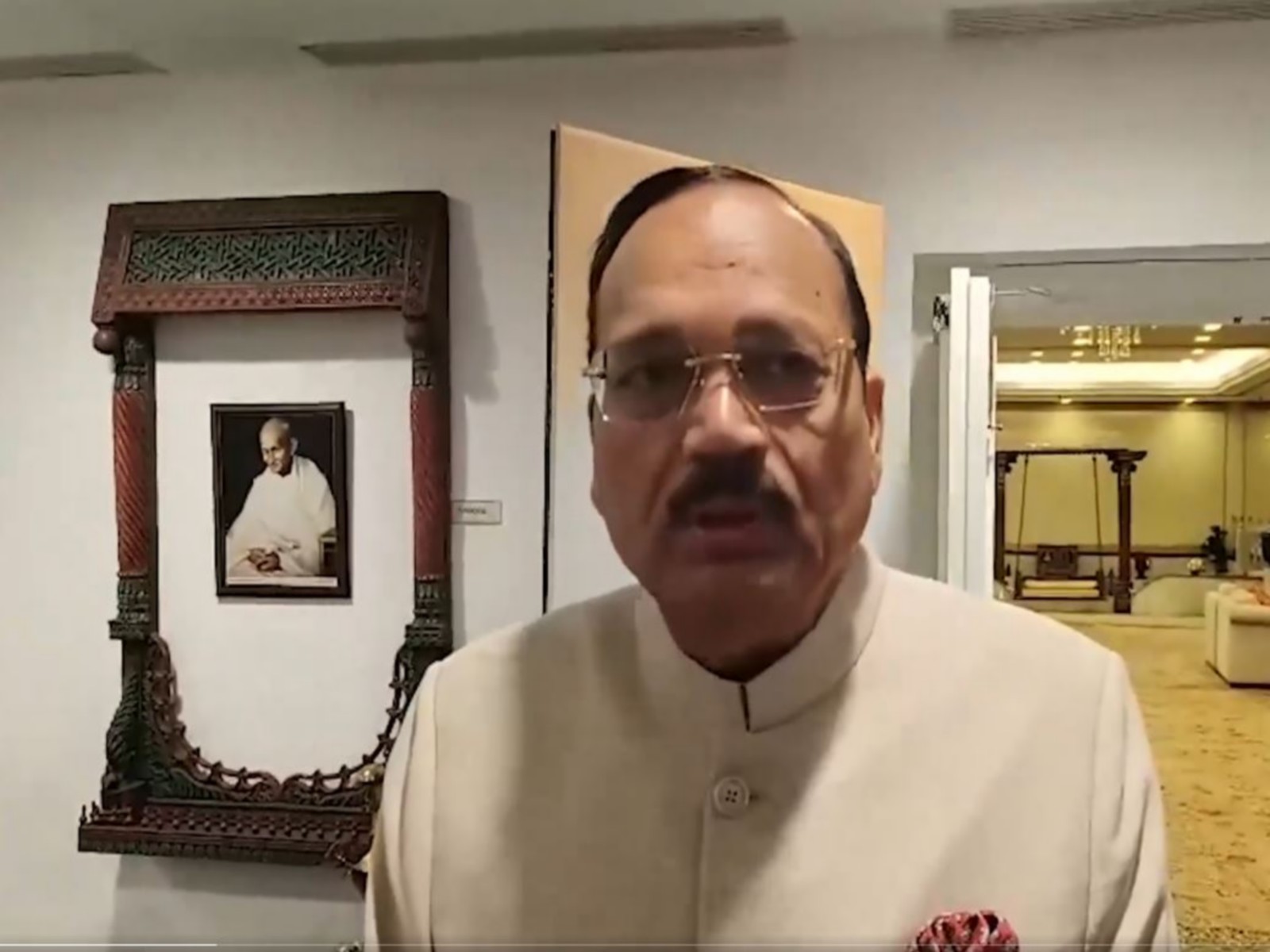
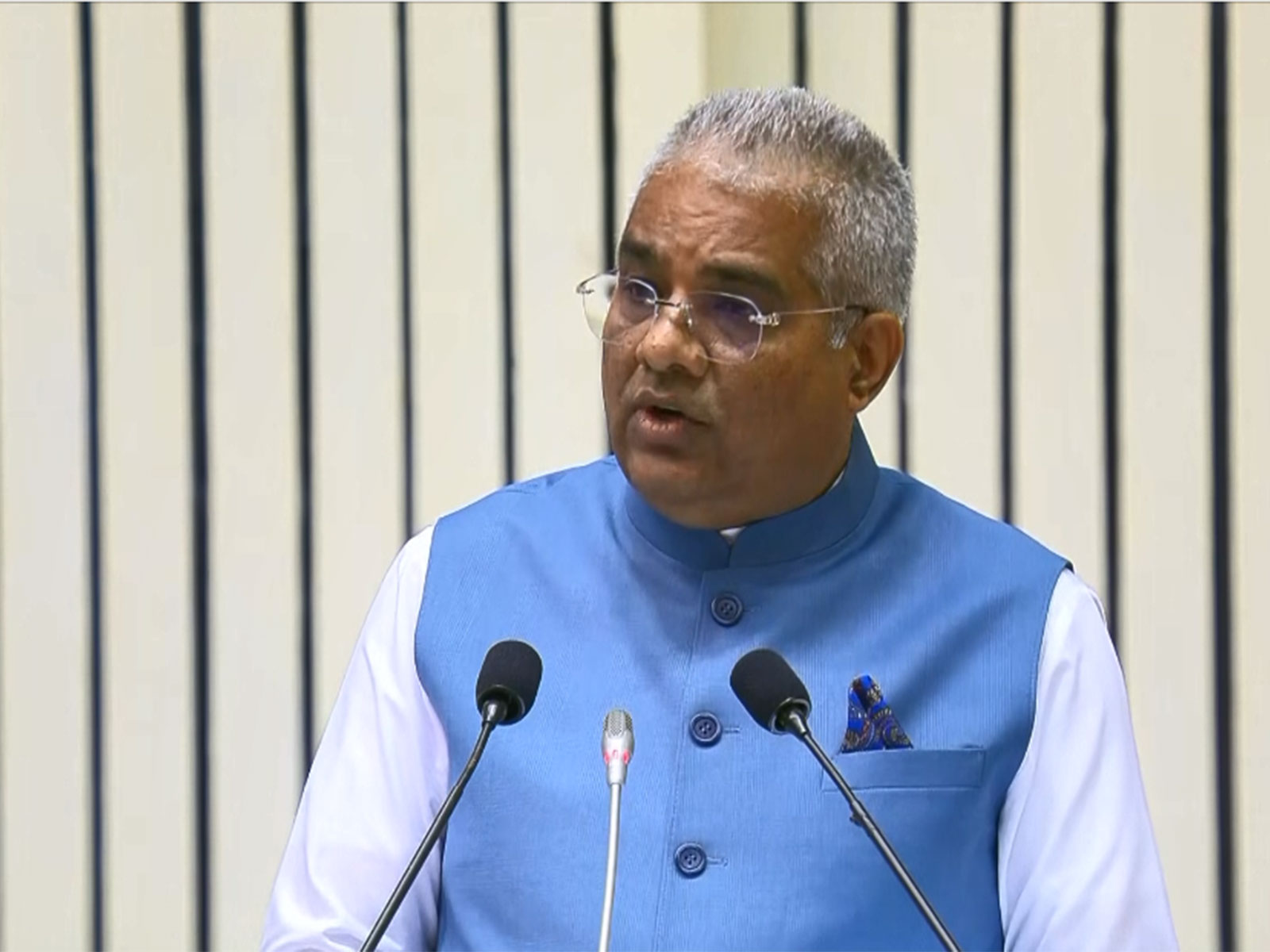
New Delhi [India], September 19 : Union Minister of Environment, Forest and Climate Change of India Bhupender Yadav on Saturday emphasised that modern ecological challenges cross national borders and demand cross-sector collaboration, and said the environmental challenges confronting the world transcend national boundaries and require greater cooperation among judges, policymakers, scientists, practitioners and experts.
Addressing the International Conference on The Future of Environment and Climate Dynamics, Yadav said the choice was not between development and the environment, but between sustainable development and development that could not be sustained.
“India’s environmental responsibility was rooted in its civilisational ethos, which viewed the Earth as a shared inheritance and a sacred trust,” he said.
Outlining India's climate roadmap, Yadav pointed to the nation's target of hitting 500 GW of non-fossil fuel capacity by 2030, cutting GDP emission intensity by 45 per cent and achieving net-zero emissions by 2070.
Yadav said, “India was translating its climate commitments into action, citing the country’s target of achieving 500 GW of non-fossil fuel energy capacity by 2030, reducing the emissions intensity of GDP by 45 per cent from 2005 levels and achieving net-zero emissions by 2070.”
He noted that non-fossil fuel sources now account for more than half of India’s installed electricity capacity, with the country also emerging as one of the leading nations in renewable energy capacity.
On wildlife protection, Yadav reported robust growth in tiger, lion, and elephant numbers, alongside dedicated conservation measures for endangered species like vultures and the Great Indian Bustard.
He said, “India had recorded significant progress in the populations of key species, including tigers, lions and elephants, while efforts were being intensified to protect threatened species such as vultures and the Great Indian Bustard.”
Union Environment Minister highlighted that protecting wildlife is essential to preserving the delicate web of life.
“Wildlife conservation is not merely about protecting animals; it is about safeguarding the delicate web of life that sustains us,” he said.
Yadav announced that India welcomed four new cheetah cubs two days earlier, describing it as another development in the country’s wildlife conservation efforts.
Echoing these sustainable priorities, National Green Tribunal (NGT) Chairperson Justice Prakash Shrivastava, while addressing the conference, stressed that environmental stewardship is a collective global responsibility rather than the burden of a single sector.
“India has undertaken several transformative initiatives, including the Swachh Bharat Mission, Jal Jeevan Mission, AMRUT 2.0, Namami Gange, PM-KUSUM, National Green Hydrogen Mission, Green India Mission and the International Solar Alliance, reflecting the country’s commitment to environmental governance and global cooperation,” Justice Prakash Shrivastava said.
He said these initiatives reflect a vision of an India that is “cleaner, greener, more resilient and more sustainable.”
Justice Shrivastava said, “Environmental protection was not the responsibility of any one institution or sector but a collective, national and global responsibility.”
Justice Prakash Shrivastava further said that climate change was altering ecosystems, economies and human habitation, while biodiversity and natural resources were under increasing pressure.
The consequences of environmental degradation, he added, were often borne disproportionately by those least responsible for causing it.
“What kind of planet are we going to leave for the next generation?” he asked, stressing the need for appropriate legal, institutional and social responses.
Justice Shrivastava noted that the conference on “The Future of Environment and Climate Dynamics would focus on climate justice, environmental law and governance, planetary environmental challenges and international cooperation.
He added that the four-day deliberations should take participants “from principles to practice, from knowledge to action, and from national efforts to meaningful global cooperation.”
“Environmental protection is ultimately about people, justice and the future of our planet,” Justice Prakash Shrivastava said.
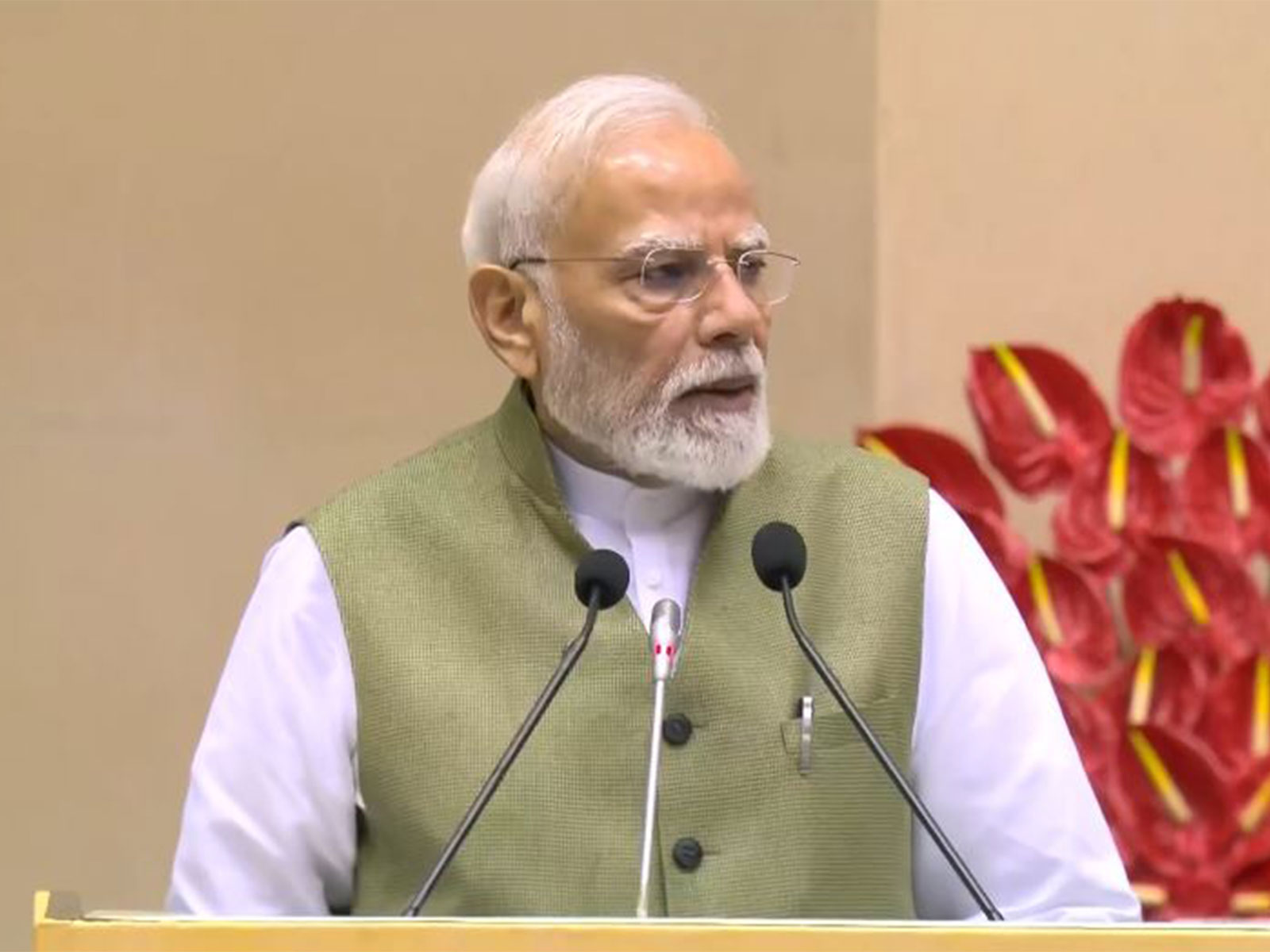
On Saturday, Prime Minister Narendra Modi inaugurated a two-day international conference on "The Future of Environment and Climate Dynamics", being organised by the National Green Tribunal (NGT) at Vigyan Bhawan in New Delhi.
The conference will bring together judges from different countries, environmental experts, judges of the Supreme Court and High Courts, district court judges, senior government officials and representatives of various institutions and environmental bodies.
The NGT said the conference is aimed at strengthening environmental justice and institutional cooperation while promoting dialogue on the growing challenges arising from the relationship between environment, climate change, development and justice.