Gold prices bullish in May on seasonal demand, macro pressures; correction likely in July: SMC
May 04, 2026
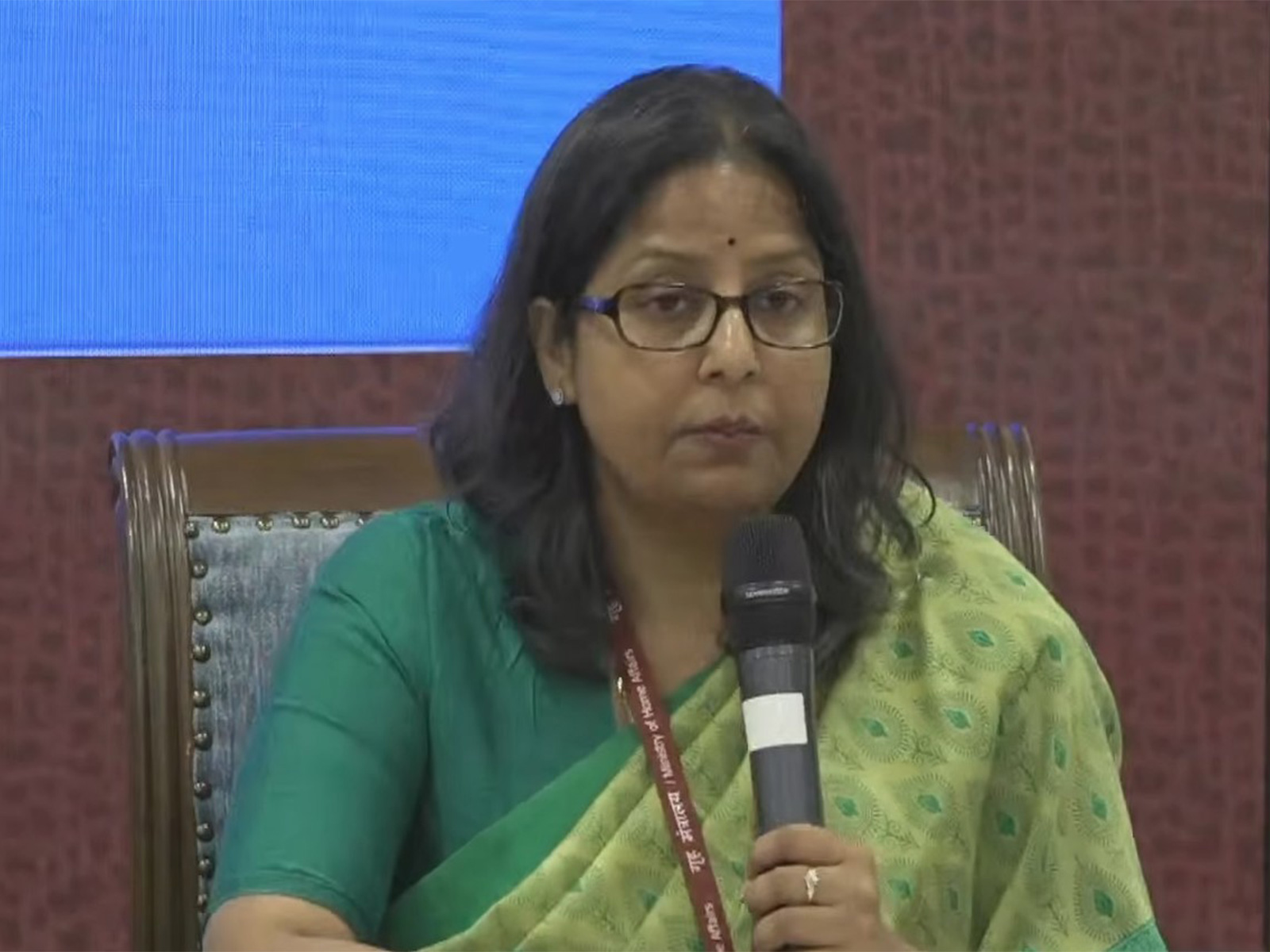
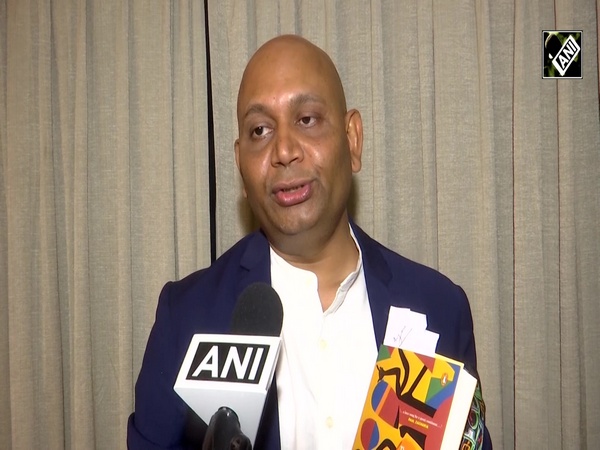
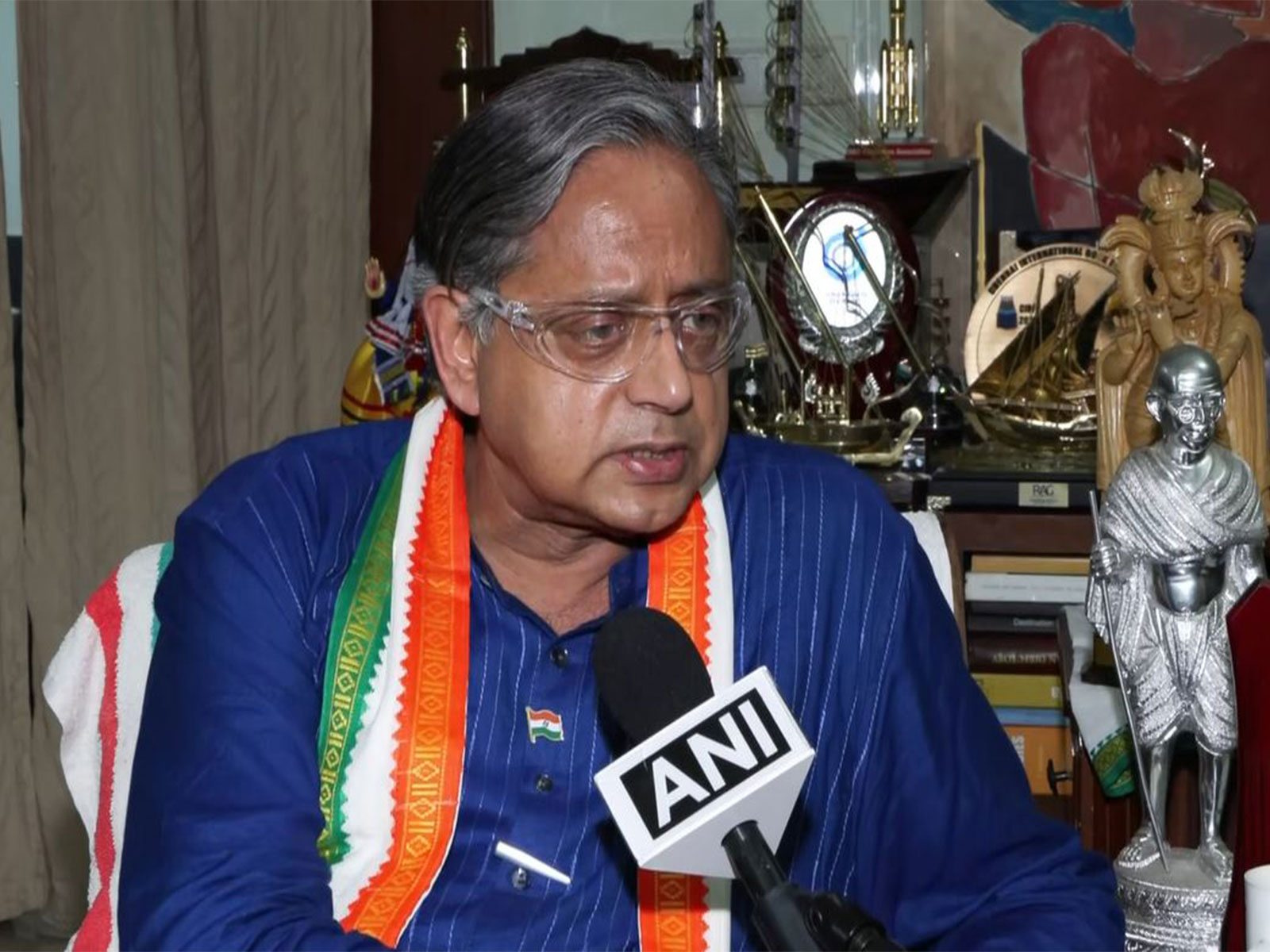
New Delhi [India], May 4 : Gold prices are expected to remain on an upward trajectory in May, supported by seasonal demand trends, global macroeconomic headwinds, currency depreciation and supply-side disruptions, with a likely correction in July before festive buying resumes, Vandana Bharti, Head of Commodity Research, SMC Global Securities, told ANI today.
"For May, I am expecting an upside in gold prices. It is based on seasonality pattern... in the month of May, it will rise, in June it will rise, and in July prices will go down. When prices go down, people will get ready to buy at lower levels for the festive and wedding demand ahead," Bharti said.
She said gold is currently forming a base globally, with support near USD 4,520-4,600 per ounce and expected to move towards USD 4,800-4,850, while cautioning that higher targets are premature.
For Indian gold markets, the support is 1,42,000-1,43,000 rupees per 10 grams and on the higher side we are going to see 1,62,000-1,65,000 rupees kind of level.
'So yes, we are moving to the upper territory and Indian currency is adding more premium to the Indian gold as compared to the international market."
Currently, gold prices on COMEX are moving around USD 4,400-4,500 levels. In Indian market, it is 1,49,860 rupees per 10 grams.
Giving the monthly forecast, she said, "because of depreciation in our currency, Indian gold will trade at a premium... we are moving towards the upper territory."
She explained that easing geopolitical tensions could cool crude oil prices and the dollar, aiding gold.
"Dollar was higher because of higher crude prices... when crude prices move down, dollar will also move down, and gold and silver will move up gradually," she said.
However, she flagged crude as a key macro risk, noting its impact on the economy and external balances.
"Every 10 dollar rise in crude oil prices adds around 10 to 15 billion to the import bill... if crude stays above USD 90-100 for a quarter, it takes two quarters for the economy to recover," she said.
Bharti said global data for April, including GDP, trade, PMI and unemployment, is expected to remain weak, boosting gold's appeal as an inflation hedge.
"We are going to see very negative data... inflation will be impacted, and gold is known for hedging against inflation," she said.
On supply, she noted disruptions since March, rerouting of shipments and higher freight and insurance costs are pushing up FOB-linked premiums, raising concerns of physical scarcity.
"There could be a scarcity of physical gold in the Indian market... freight and insurance charges are higher, so prices remain on the premium side," she said.
Gold imports are currently below average due to the off-season, with peak demand typically between August and October, even as India and China together account for a significant share of global consumption.
She added that consumers are increasingly opting for recycling old jewellery instead of fresh purchases, while preferring physical gold over ETFs.
'People prefer recycling... and in physical demand, we do not prefer ETF in weddings and festivals," she said, also referring to past technical glitches in ETF platforms.
Bharti noted that jewellery demand has declined from around 70 per cent earlier to about 40-42 per cent now, while central bank buying has risen sharply.
"Central banks are buying aggressively... they do not have purchasing power issues, and their buying will compensate for lower jewellery demand," she said, citing examples of Turkey rebuilding reserves and China adding to its holdings.
On India, she said the Reserve Bank of India has increased gold reserves and repatriated a large share of its holdings.
"RBI has brought back a significant portion of its gold to India and will continue to increase reserves," she said.
She also highlighted behavioural trends, noting that gold played a key role during crises such as COVID-19 through gold loans.
"In times of crisis, people pledge gold and survive... that is why preference for gold remains strong," she said.
Bharti added that recent price corrections, including an intraday fall of around USD 98 globally and about ₹1,500 domestically, were limited in India due to strengthening dollar index, which exerted pressure on global prices, although losses in the domestic market remained limited due to rupee depreciation. However, elections impacted equities and currency movements.
It can be attributed to a strengthening dollar index, which exerted pressure on global prices, although losses in the domestic market remained limited due to rupee depreciation.
She said rising de-dollarisation and global uncertainty will continue to support gold.
"De-dollarisation is one of the most critical factors which supported gold rally in the past, and the intensity will be higher this time," she said.
Bharti maintained that while not extremely bullish, gold remains structurally supported and will continue to attract safe-haven demand amid volatile equities and uncertain global economic conditions.