India faces external growth risks, upward interest rate cycle likely: MSE Director
Oct 11, 2026
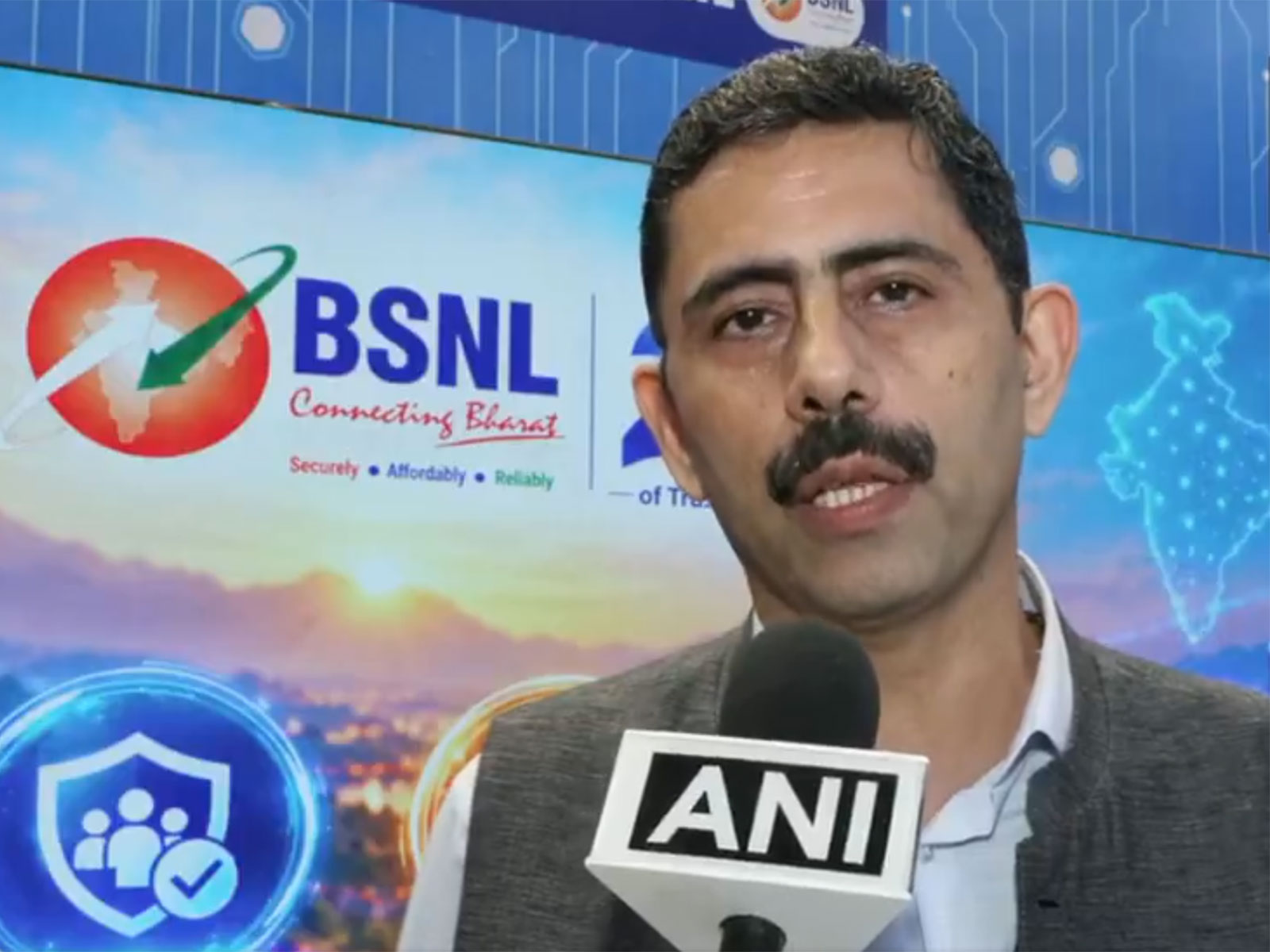
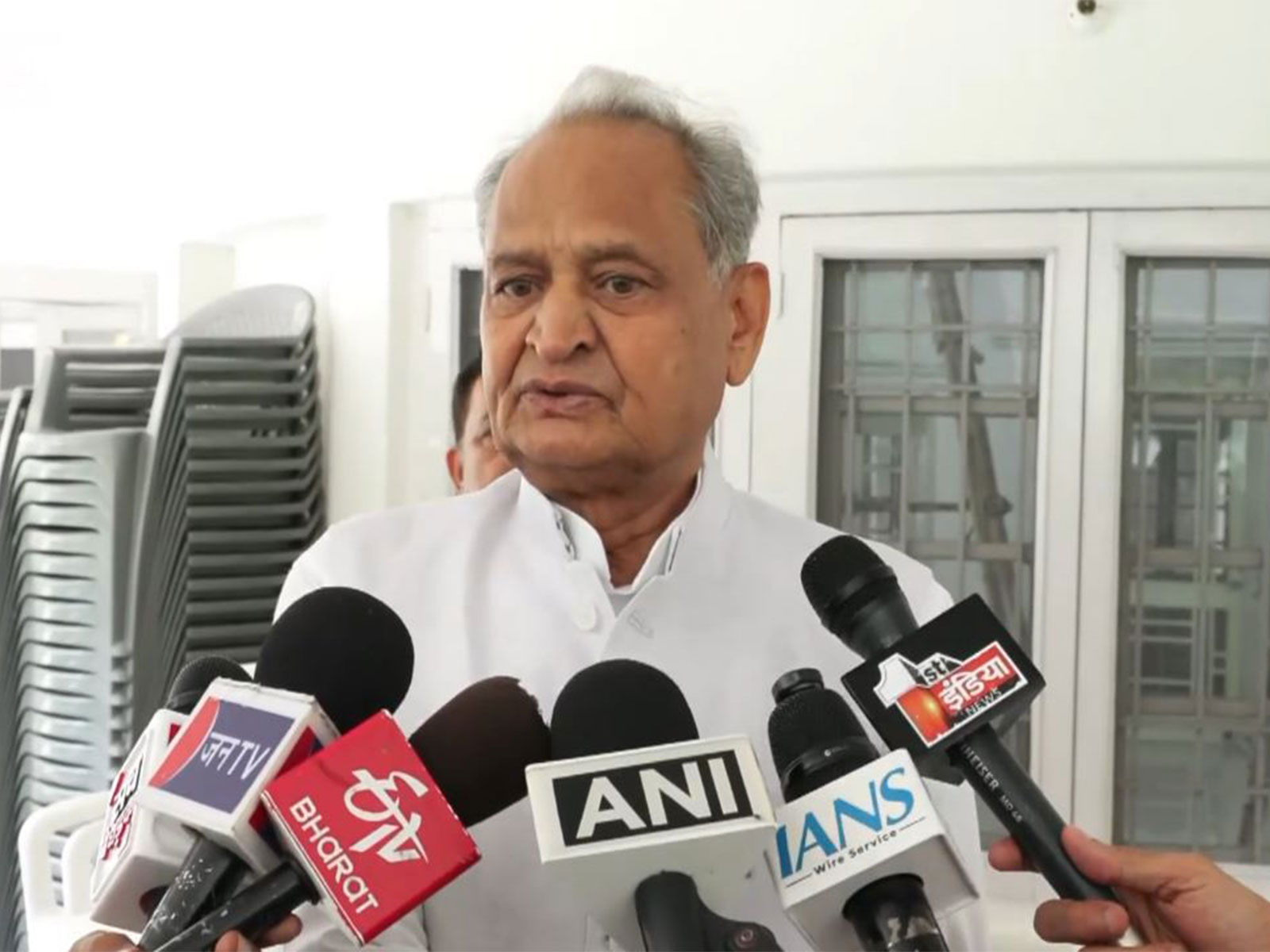
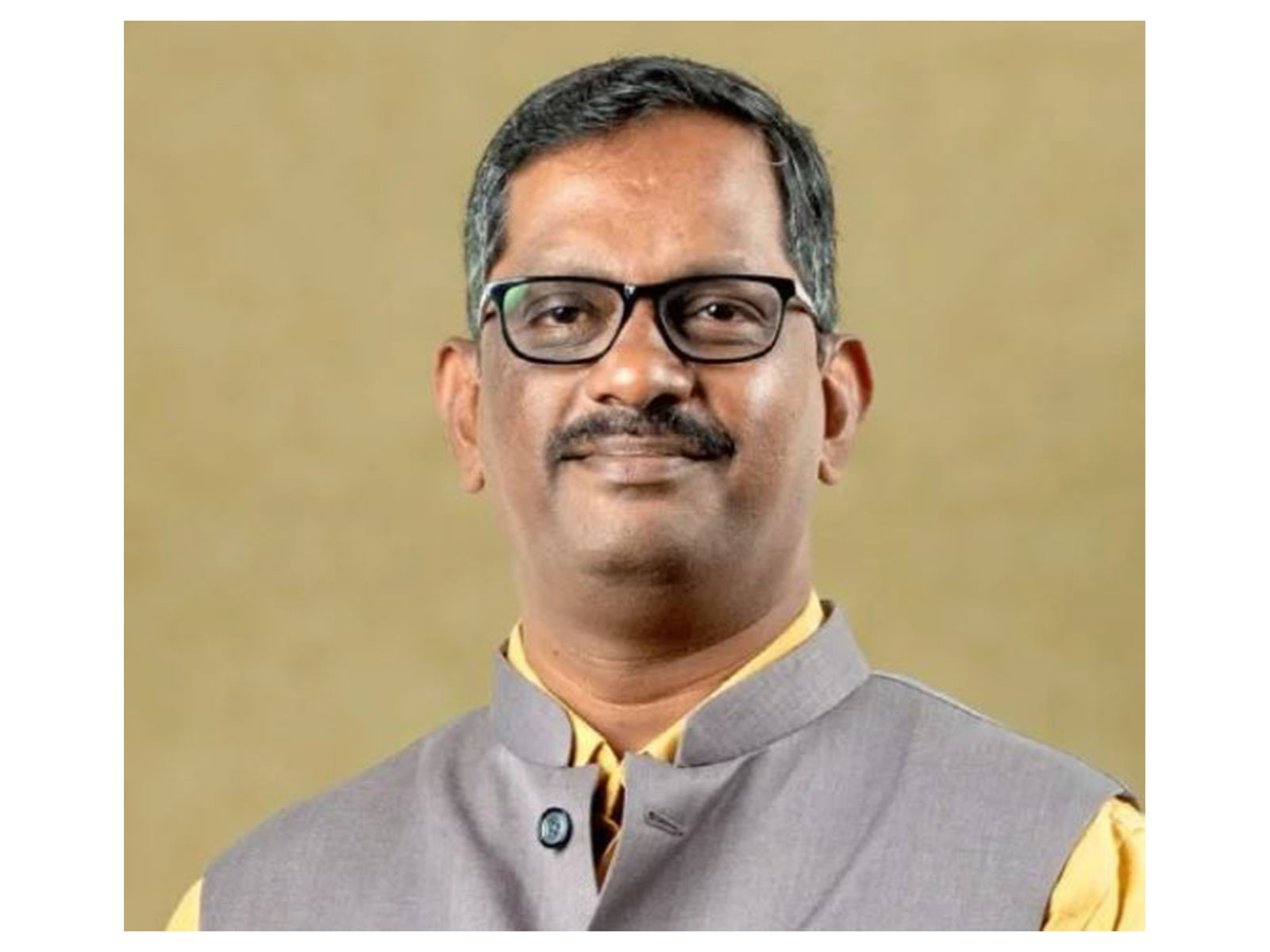
New Delhi [India], October 11 : External shocks remain the biggest threat to India's economic growth outlook, while rising and broadening inflationary pressures could push interest rates higher, according to Prof. N. R. Bhanumurthy, Director, Madras School of Economics.
Speaking to ANI in an interview, Bhanumurthy noted, inflation has been rising over the past two to three months and is becoming increasingly broad-based, making the Monetary Policy Committee's (MPC) assessment of potential inflationary pressures in the coming months largely expected.
“We are going to see upward trend in the interest rate cycle,” he said.
Noting that India’s biggest challenges currently stem from external factors, he highlighted, India has faced several external shocks over the past five to six months, but the country has managed to navigate them effectively so far.
Meanwhile, he noted, “If the situation doesn't improve, then we may have to observe shocks much more than what we observed in the last 4-5 months,” he said.
To support his argument, he cited rising oil prices as a key risk, noting that the government has so far largely absorbed the increase in costs, shielding consumers and producers from its impact.
However, he cautioned, if oil prices remain elevated, the government may eventually have to pass on the higher costs to consumers and producers.
“If the oil prices don't come down, at some point government may also have to transmit to the consumers as well as producers. So, that risk is certainly there.”
He further noted that inflation has been rising over the past two to three months and is becoming increasingly “broad-based.” Hence, “the assessment of the monetary policy committee that going forward India might face inflationary pressure is certainly on expected lines,” he said, adding, “We are going to see upward trend in the interest rate cycle.”
Highlighting the impact of global interest rate movements, he said the narrowing interest rate differential between India and advanced economies, particularly the United States, has already triggered foreign capital outflows from Indian financial markets.
Against this backdrop, he argued that rising inflationary pressures and capital outflows left the Reserve Bank of India (RBI) and the MPC with little choice but to raise interest rates.
“So, overall, we are going to see upward trend in the interest rate cycle…” he said.
However, he noted, while the upward interest rate cycle could weigh on consumption and other economic activities, its impact may be relatively limited compared to the effects typically associated with a sharp rise in inflation.
Commenting on the impact of rising borrowing costs on private investment amid continued foreign institutional investor (FII) outflows, he noted, borrowing requirements and interest rate movements are closely linked to business cycles, with economic activities witnessing periods of expansion and slowdown over the long term. Interest rate cycles also tend to follow these broader shifts in economic activity, he added.