India needs to ensure policy stability for global investors while protecting its tax base: Monica Bhatia, Principal Chief Commissioner Income Tax
Aug 19, 2026
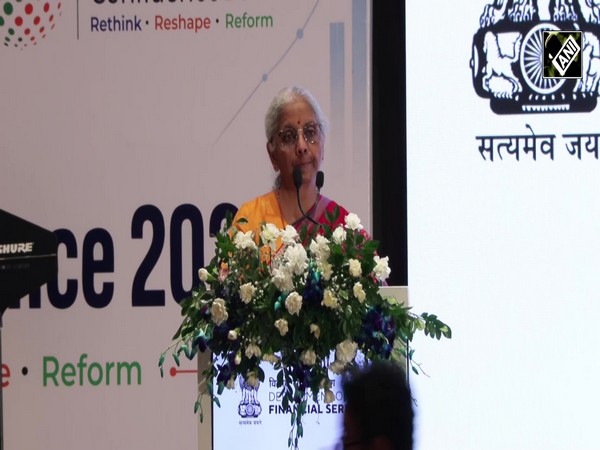
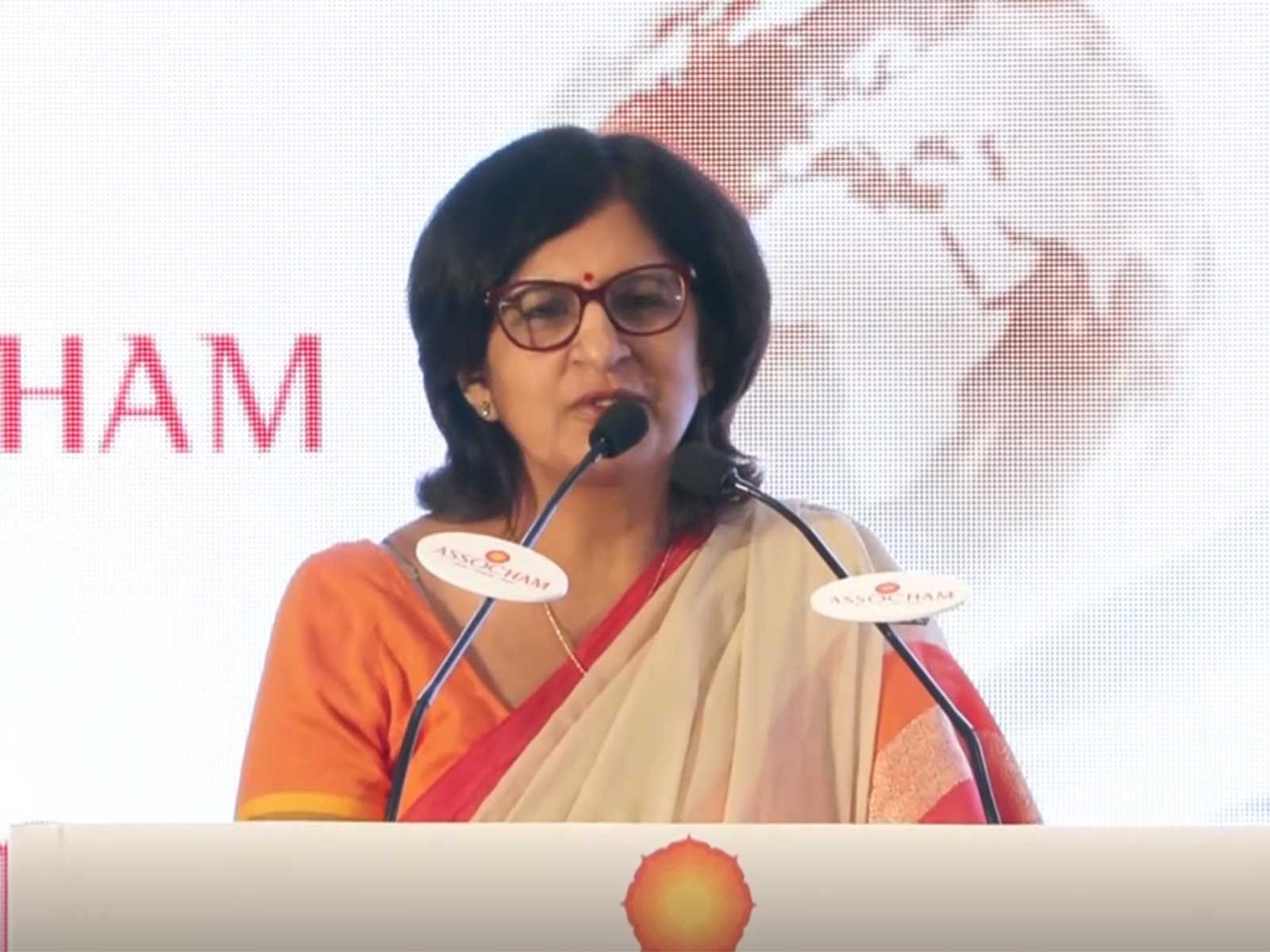
New Delhi, [India] August 19 : India needs to protect its legitimate tax base while providing policy stability and predictability to global investors as international taxation undergoes fundamental changes amid rapid changes in the global business environment and technology, Monica Bhatia, Principal Chief Commissioner of Income Tax (International Taxation), said on Wednesday.
"The key challenge for India's international tax framework is to safeguard its legitimate tax base while providing the policy stability and predictability required by global investors," Bhatia said while addressing the 23rd International Tax Conference organised by ASSOCHAM.
Bhatia said tax professionals, businesses, tax administration and policymakers are grappling with the rapid evolution of the global business economy and technology. She said the government has taken several steps in recent months to strengthen tax certainty and create a stable fiscal regime despite major geopolitical changes and global trade uncertainties.
She highlighted the importance of India's international tax framework in balancing revenue protection with greater certainty for taxpayers and investors. Bhatia also referred to the government's efforts to address concerns raised by industry and tax professionals and provide further clarity wherever required.
Bhatia said India needs to engage more actively at international forums such as the Organisation for Economic Co-operation and Development (OECD), the European Union (EU) and the United Nations (UN) to ensure global tax rules reflect the interests of developing and market-oriented economies.
"India also needs to engage more actively at international forums such as the OECD, EU and UN to ensure that global tax rules reflect the interests of developing and market-oriented economies," she said.
She said international cooperation would become increasingly important as businesses expand across jurisdictions and tax administrations deal with more complex cross-border transactions.
Bhatia also underlined the growing role of technology and artificial intelligence (AI) in tax administration. She said tax authorities would increasingly use technology and AI to identify complex ownership structures and potential non-compliance, while ensuring that compliant taxpayers are not unnecessarily burdened.
She emphasised the need for uniform interpretation of tax provisions by tax officers and said capacity building would be important to ensure greater consistency in tax administration.
Bhatia said the implementation of the new tax regime would be an evolving process and acknowledged that some areas may require further clarification.
"It is a journey that we are trying to travel together," she said, stressing the importance of continued engagement between the tax administration, tax professionals and businesses.
Bhatia also highlighted measures such as the new Income-tax Act, changes in the Safe Harbour Rules and the Advance Pricing Agreement (APA) mechanism as important steps towards reducing disputes and providing greater certainty to taxpayers.
She said the expansion of Safe Harbour provisions, including raising the threshold and introducing automated and group-based mechanisms, was a strong signal of the government's intent to prevent disputes
Bhatia said the government was listening to concerns raised by industry and tax professionals and working towards providing further clarity wherever required.
On APAs, Bhatia said India had entered into more than 20 new bilateral agreements with countries including France, Indonesia, Ireland and Sweden. She said the cumulative number of agreements had reached 1,035 and that these agreements had provided certainty for thousands of assessment years.
She also emphasised the importance of mutual agreement procedures and other dispute-resolution mechanisms in preventing and resolving international tax disputes.
Bhatia said the government and the tax professional community should work as partners with a common objective of ensuring that taxpayers pay the right amount of tax, at the right rate and at the right time.