Rupee likely to stay around 95/USD in near term, may weaken towards 97 by March 2027: Report
Aug 19, 2026
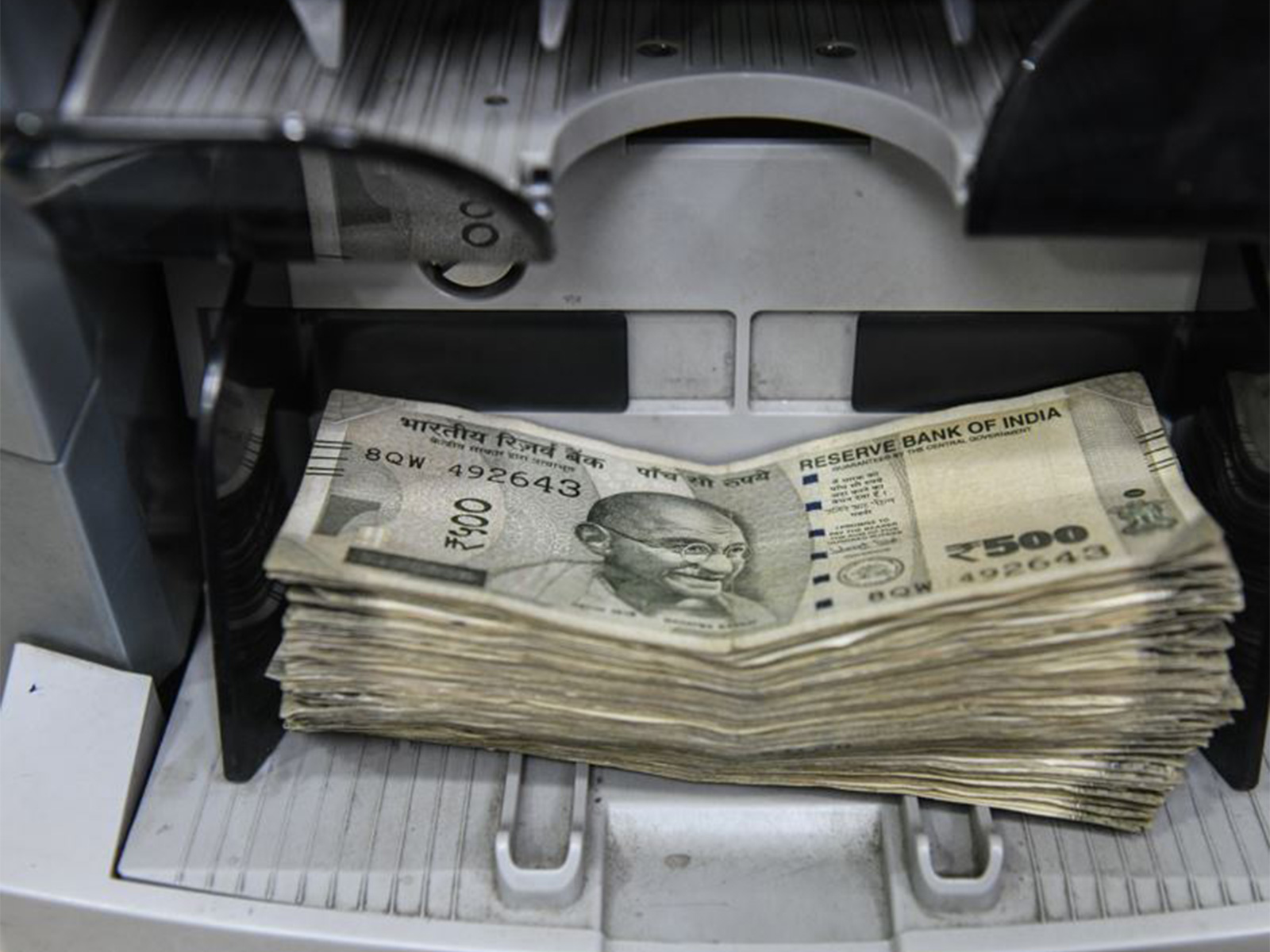
New Delhi [India], August 19 : The rupee is expected to remain broadly stable at around 95 per US dollar over the next 1-2 months and consolidate gradually towards 97 per dollar by March 2027, following the Reserve Bank of India's early closure of the special Foreign Currency Non-Resident (Bank) [FCNR(B)] deposit window, according to a report by Ashika Institutional Equities.
Indian rupee edged up on Wednesday despite higher oil prices on the back of RBI intervention, FII inflows and weaker dollar index. It opened at 95.71 and was trading at 95.75/US dollar at the time of reporting.
The RBI has advanced the closure of its special forex swap facility for Foreign Currency Non-Resident (Bank) [FCNR(B)] deposits to August 31, 2026, with banks having mobilised USD 52.3 billion by August 14.
While the earlier closure is likely to reduce additional FCNR(B) inflows, Ashika expects total special foreign exchange inflows, including Overseas Foreign Currency Bonds (OFCBs) and External Commercial Borrowings (ECBs), to reach USD 80-85 billion, up from its earlier estimate.
"We maintain our FY27 BoP surplus estimate of ~US$70bn, implying little change in the underlying demand-supply balance for USD," the fund house noted.
The report also said the RBI may be using the additional dollar inflows tactically. Unlike in 2013, the rupee has not strengthened significantly despite the surge in special inflows, possibly because the central bank is using the additional dollar supply to partly unwind and extend the maturity of its record USD 103 billion net short forward position, equivalent to around 19 per cent of its foreign currency assets (FCA). Around USD 39 billion of this position is due to mature by June 2027.
"We now expect the INR to remain broadly stable ~95 over the next 1-2 months, before weakening gradually towards 97 by Mar'27," it noted.
Looking ahead, as the boost from FCNR(B) inflows fades, the rupee is likely to become more sensitive to Middle East geopolitical developments, the Federal Reserve's rate trajectory and broader dollar trends.
"Over the medium term, domestic growth-inflation balance, fiscal prudence and policy credibility will remain the key anchors," it said.