Ladakh civil society forum flags stalled Centre dialogue, seeks stronger democratic safeguards
Oct 22, 2026
Leh (Ladakh) [India], October 22 : The Civil Society Forum of Ladakh has expressed concern over the stalled dialogue with the Centre on constitutional safeguards for the region, alleging that “delaying tactics” and confrontational politics had undermined the consensus reached during previous rounds of talks.
The Forum urged the government to strengthen grassroots democracy through elected Panchayats and Hill Councils.
In a resolution adopted in Leh on Thursday, the forum urged the Centre and the Union Territory administration to immediately hold Panchayat and Ladakh Autonomous Hill Development Council (LAHDC) elections across all eight districts, describing elected district-level institutions as an immediate safeguard for Ladakh’s land, culture, natural resources and economic interests.
The forum, comprising religious heads, intellectuals, senior retired civil servants, and former and sitting public representatives of Leh-Ladakh, expressed “deep anguish and concern” over the manner in which the dialogue process with the Government of India was being conducted.
The resolution raised concerns over what it described as “delaying tactics” by the Apex Body Leh and the Kargil Democratic Alliance (KDA), stating that despite several rounds of talks and a consensus reached between the Centre and representatives of the two bodies, the agreement was being disregarded through “shifting goalposts and delaying tactics”.
“This has created a trust deficit and is against the larger interest of Ladakh,” the resolution stated.
The forum alleged that the original agenda adopted by the Apex Body Leh for constitutional safeguards for land, jobs, culture and the environment had been “hijacked”. It claimed that the process was now dominated by Sonam Wangchuk and the KDA, compromising the interests of the districts and the Buddhist community.
“What should have been a dialogue for amicable solution has been converted into a process of confrontation with the Government of India, which is not in the interest of Ladakh,” the resolution stated.
On the demand for a Union Territory-level democratic political institution with full constitutional safeguards under provisions similar to Article 371, the forum acknowledged that the exercise would require detailed drafting and a parliamentary process.
However, citing what it described as the consistent opposing and delaying tactics of the Apex Body Leh and the KDA, the forum said such a solution appeared “far-fetched in the near future”.
“People of Ladakh cannot be left in a democratic vacuum for years,” the resolution stated.
As an immediate measure, the forum called for Panchayat and LAHDC elections in Leh, Kargil, Nubra, Sham, Changthang, Zanskar, Drass and Sankoo. It argued that elected Hill Councils in every district would provide a safeguard for local land, culture, natural resources, trade, recruitment, tourism and mining licences.
The forum called for safeguards under Article 371 and genuine powers for the LAHDCs, stating that these would ensure that no outsider could buy land, obtain a job or secure a licence without the concurrence of the concerned District Council.
Highlighting Ladakh’s distinct ethnic, cultural and economic identities, the resolution cited the Brokpa community of Dha-Hanu, the Changpa community of Changthang, Buddhists of Zanskar and the Shina community of Drass.
It maintained that separate LAHDCs for each district were necessary to protect these identities and interests, arguing that a Leh-centric or Kargil-centric body could not adequately represent all districts.
The forum said strengthening the existing LAHDC system to cover eight districts would require an amendment to the LAHDC Act rather than a constitutional amendment, and could therefore be undertaken immediately.
The resolution also highlighted the absence of Panchayats for the last six years, claiming that village-level development, the Mahatma Gandhi National Rural Employment Guarantee Act (MGNREGA) and the flow of funds had been stalled.
“Panchayat is Gram Swaraj,” the resolution stated, arguing that the absence of elected village-level institutions was against the spirit of the 73rd Constitutional Amendment.
It further said that holding elections would bring genuine public representatives to the forefront instead of “self-styled leaders” and create authentic interlocutors for future talks with the Centre.
The forum also called for the reconstitution of the Leh Apex Body with democratically elected representatives from all districts under its jurisdiction. It said the body should include representatives of monasteries (Sangha), women, tribal communities, youth and border nomads, chosen democratically by the people rather than through nominations.
“Only such a body will have moral and democratic legitimacy to talk on behalf of Ladakh,” the resolution stated.
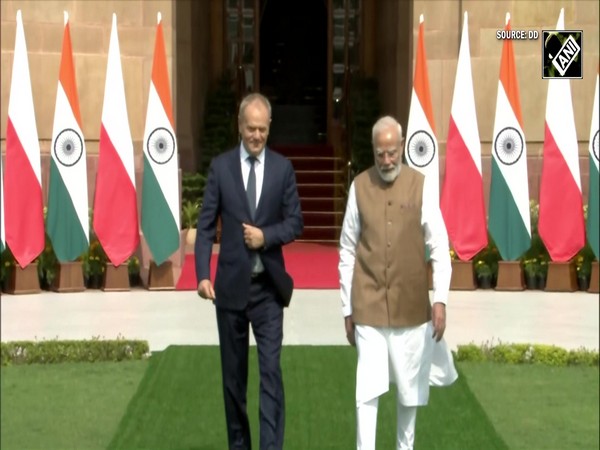
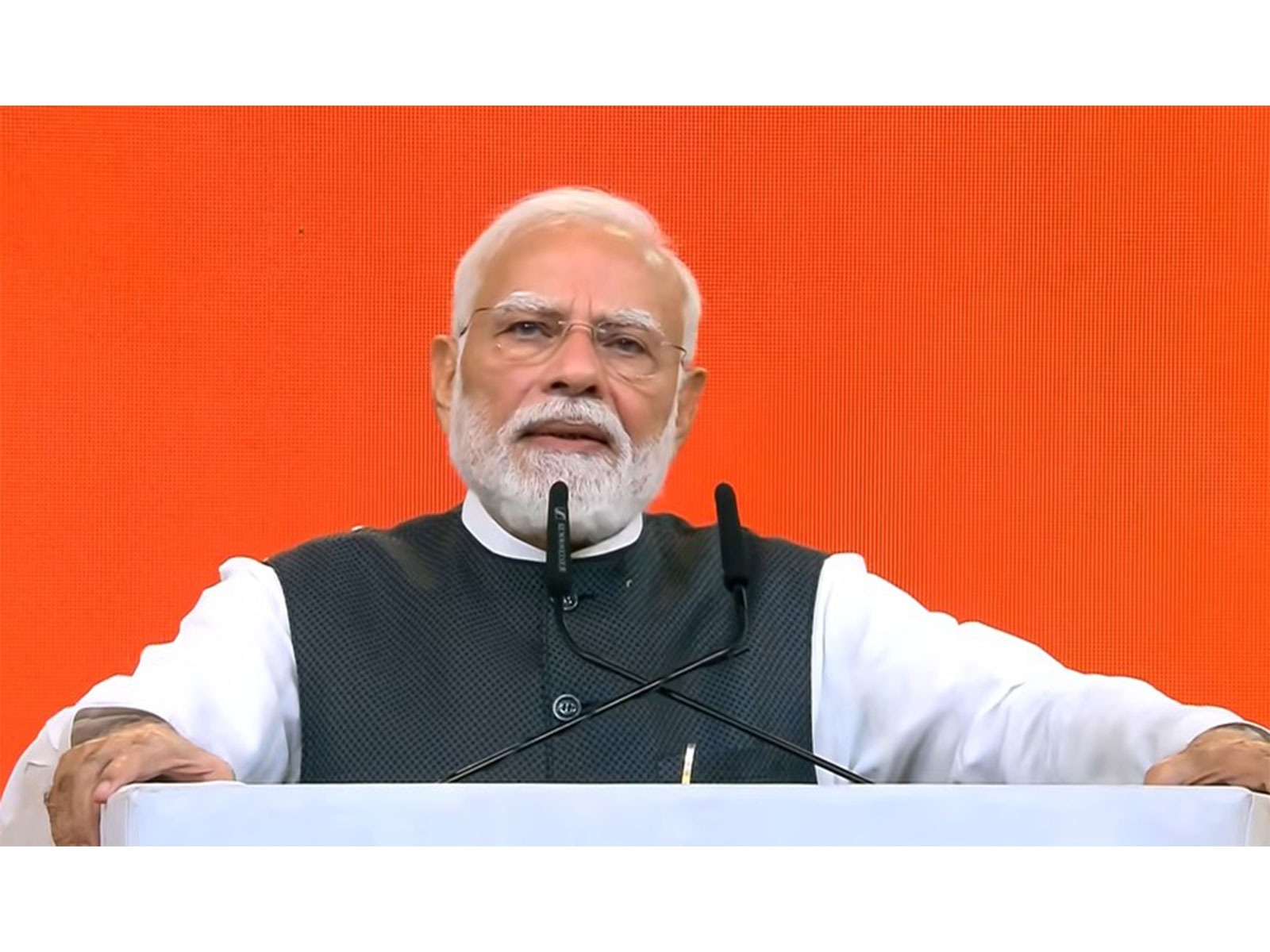
Appealing to Prime Minister Narendra Modi and Union Home Minister Amit Shah, the forum urged them to take note of what it described as the ground reality that the existing Apex Body and KDA no longer represented the inclusive voice of all districts.
It also called on the Centre not to allow the dialogue process to be “held hostage to delaying tactics and confrontational politics”.
The forum described the immediate announcement of Panchayat and LAHDC elections, along with enhanced powers for the councils, as an interim but strong safeguard until a constitutional settlement for the Union Territory was reached. The resolution concluded by urging the Government of India to honour the agreement reached through consensus to resolve the Ladakh issue.
Meanwhile, the Ladakh State Election Commission has announced the schedule for general elections to Panchayat Halqas in the Union Territory. The last date for filing nominations is November 2, while scrutiny will take place on November 3, and the last date for withdrawal of candidatures is November 5. Polling is scheduled for November 21, with the entire election process to be completed before November 30.