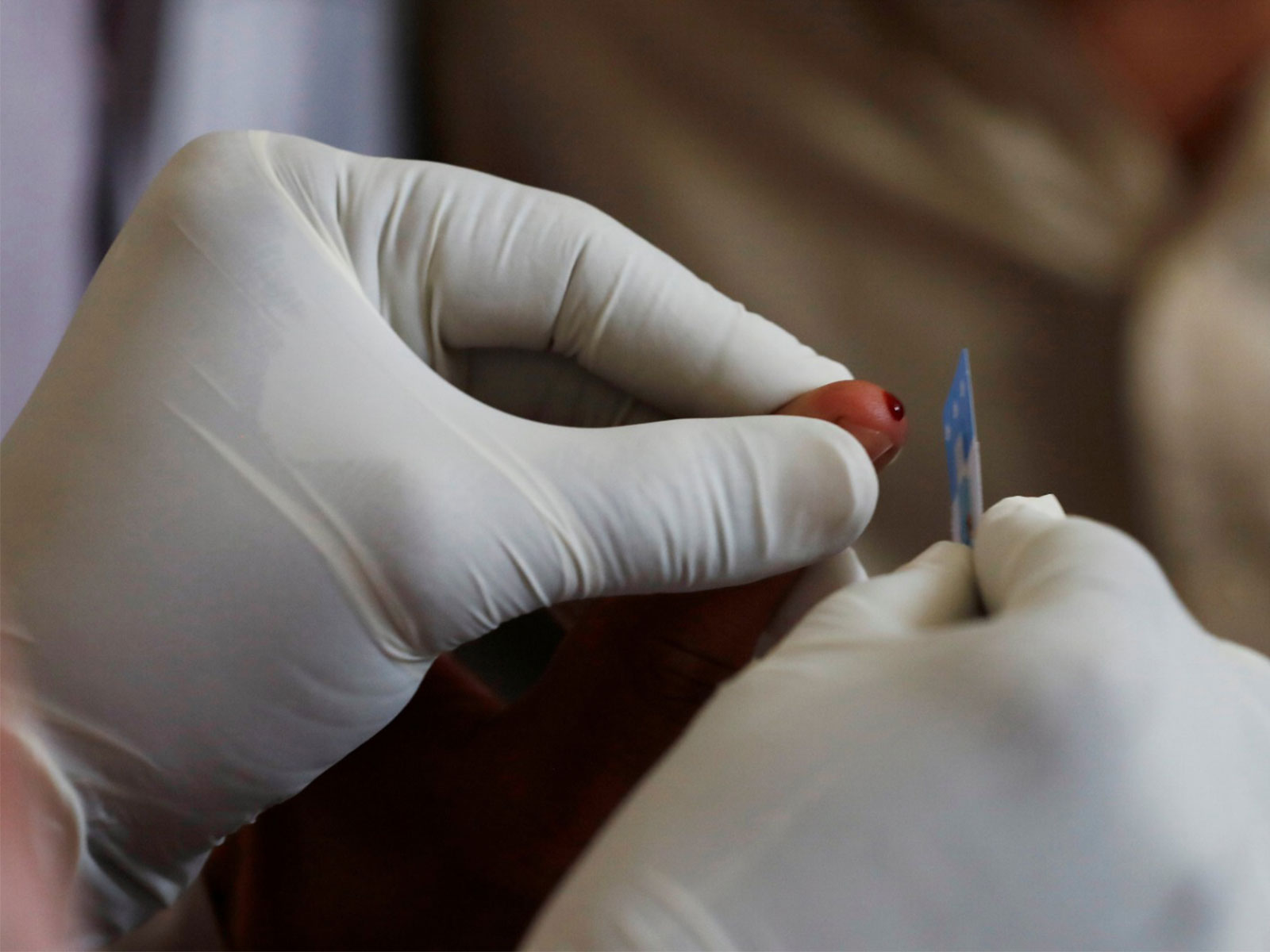
Open Medical waste in hospital exposes Pakistan's broken health oversight amid recent surge of HIV cases in children
Jul 15, 2026
Karachi [Pakistan], July 15 : Pakistan's healthcare system is facing criticism after hazardous medical waste was reportedly found dumped in open areas at Karachi's Valika Hospital, where 81 children have already tested positive for HIV, intensifying concerns over infection control failures and weak regulatory oversight, as reported by The Express Tribune.
According to The Express Tribune, used syringes, IV drip sets, blood-stained cotton and other potentially infectious waste were seen lying outside the hospital's incinerator room instead of being safely disposed of. The discovery has raised serious questions about compliance with medical waste management standards and the effectiveness of hospital safety protocols amid the ongoing health crisis.
The report said the Sindh Healthcare Commission (SHCC) denied direct responsibility for monitoring medical waste disposal, stating that its inspections are generally conducted only after receiving formal complaints or directives from the provincial health secretary. The commission maintained that waste management oversight does not fall within its primary mandate.
The SHCC's position has drawn criticism from medical professionals, who argue that regulatory authorities should take a more proactive role, particularly during a major public health emergency. Young Doctors Association Sindh Chairman Dr Mehboob Nohrani said the confirmation of HIV infections in 81 children should have triggered immediate intervention by all relevant institutions. He questioned the effectiveness of regulators if they distance themselves from responsibility during such a serious incident.
Health experts stated that improper disposal of infectious waste significantly increases the risk of transmitting diseases such as HIV, hepatitis B and hepatitis C. International safety guidelines require contaminated medical waste, including used syringes and blood-soaked materials, to be separated into designated biohazard containers and destroyed through approved disposal methods within a specified period, as cited by The Express Tribune.
Experts said the presence of hazardous waste in open areas suggests serious shortcomings in infection prevention measures and raises concerns about adherence to established operating procedures, as reported by The Express Tribune.