PM Modi, President Xi agreed to properly handle disputes to safeguard peace, reached consensus that India and China should be partners: Chinese envoy
Sep 15, 2026
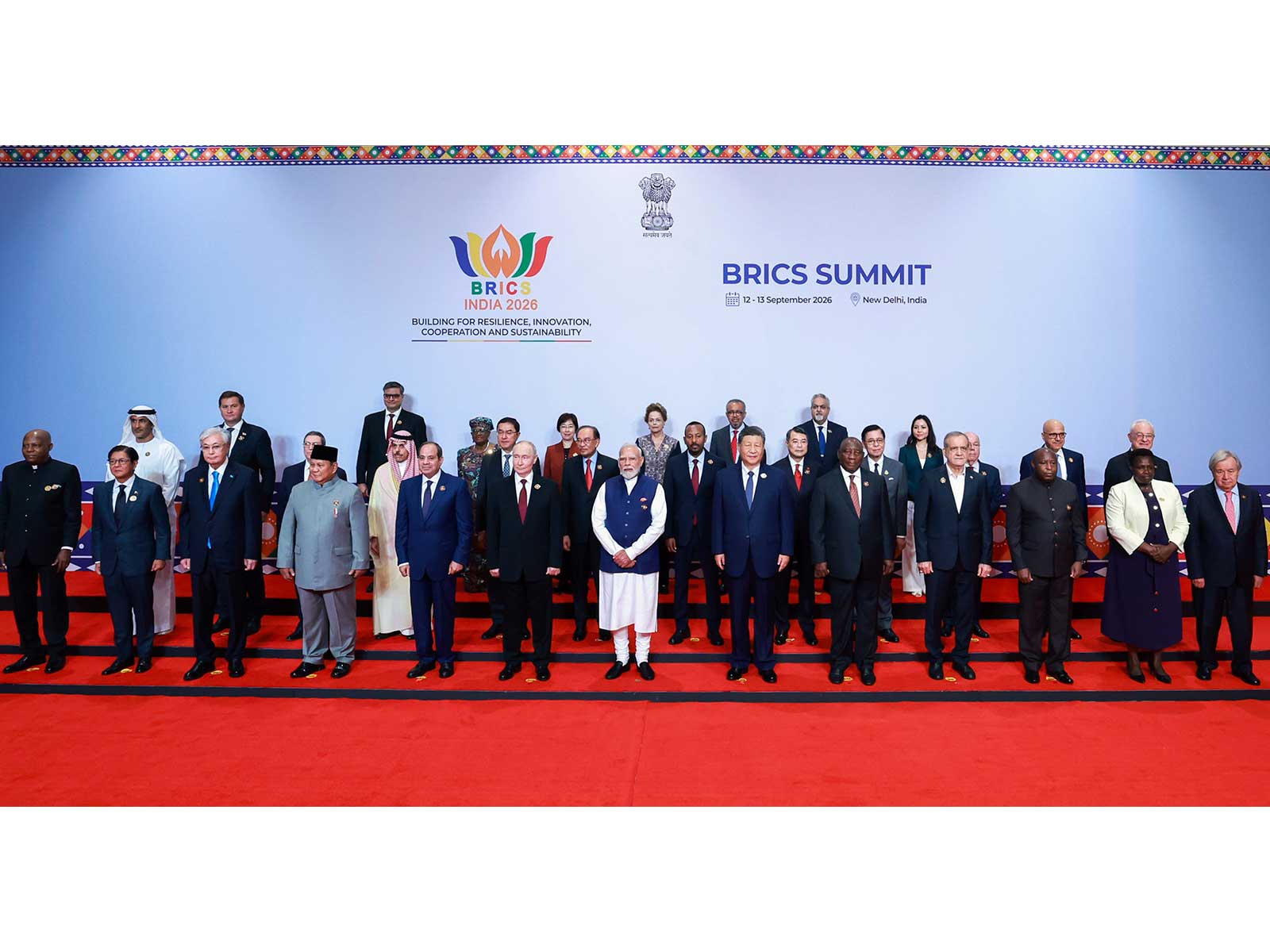
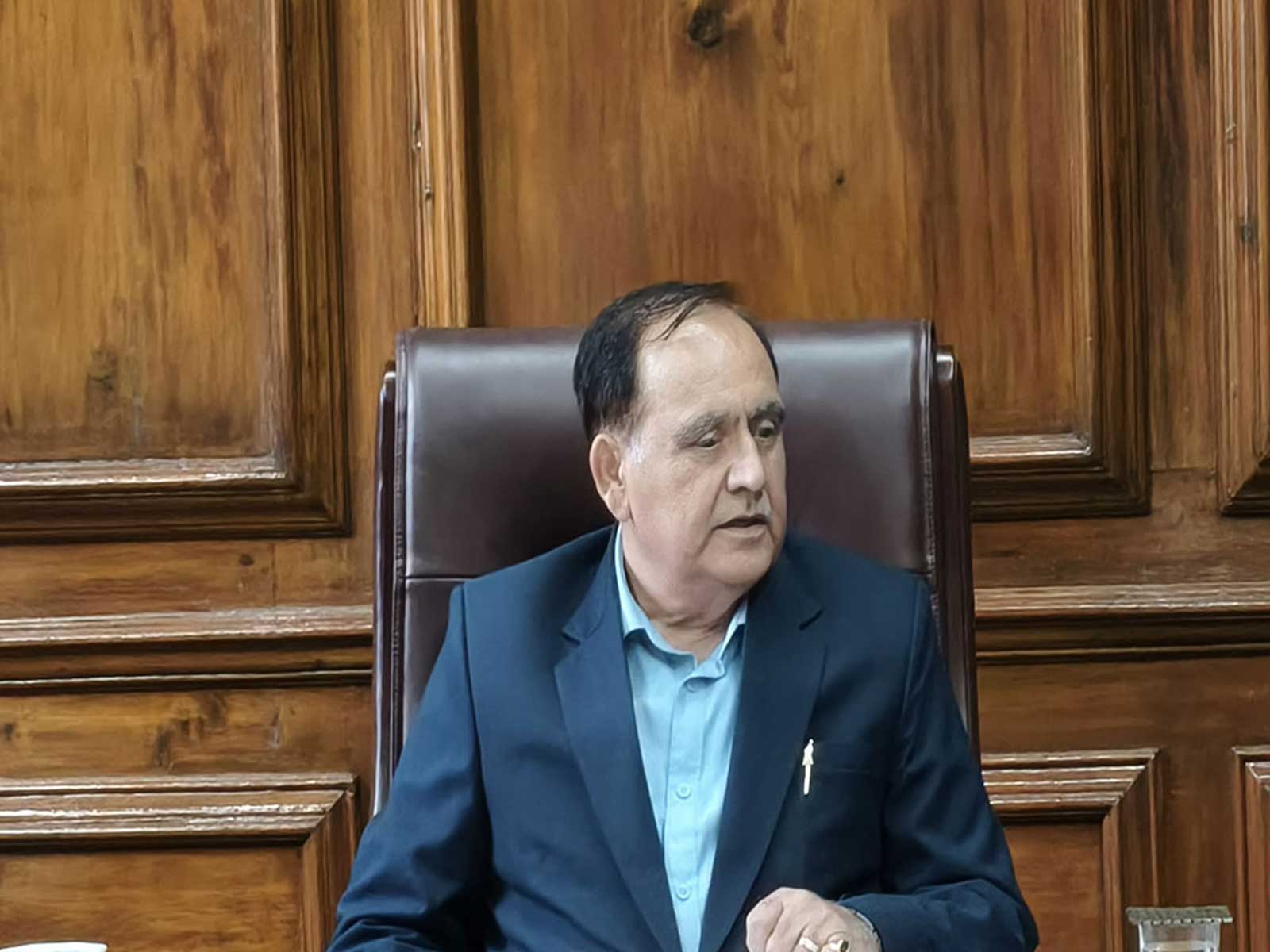
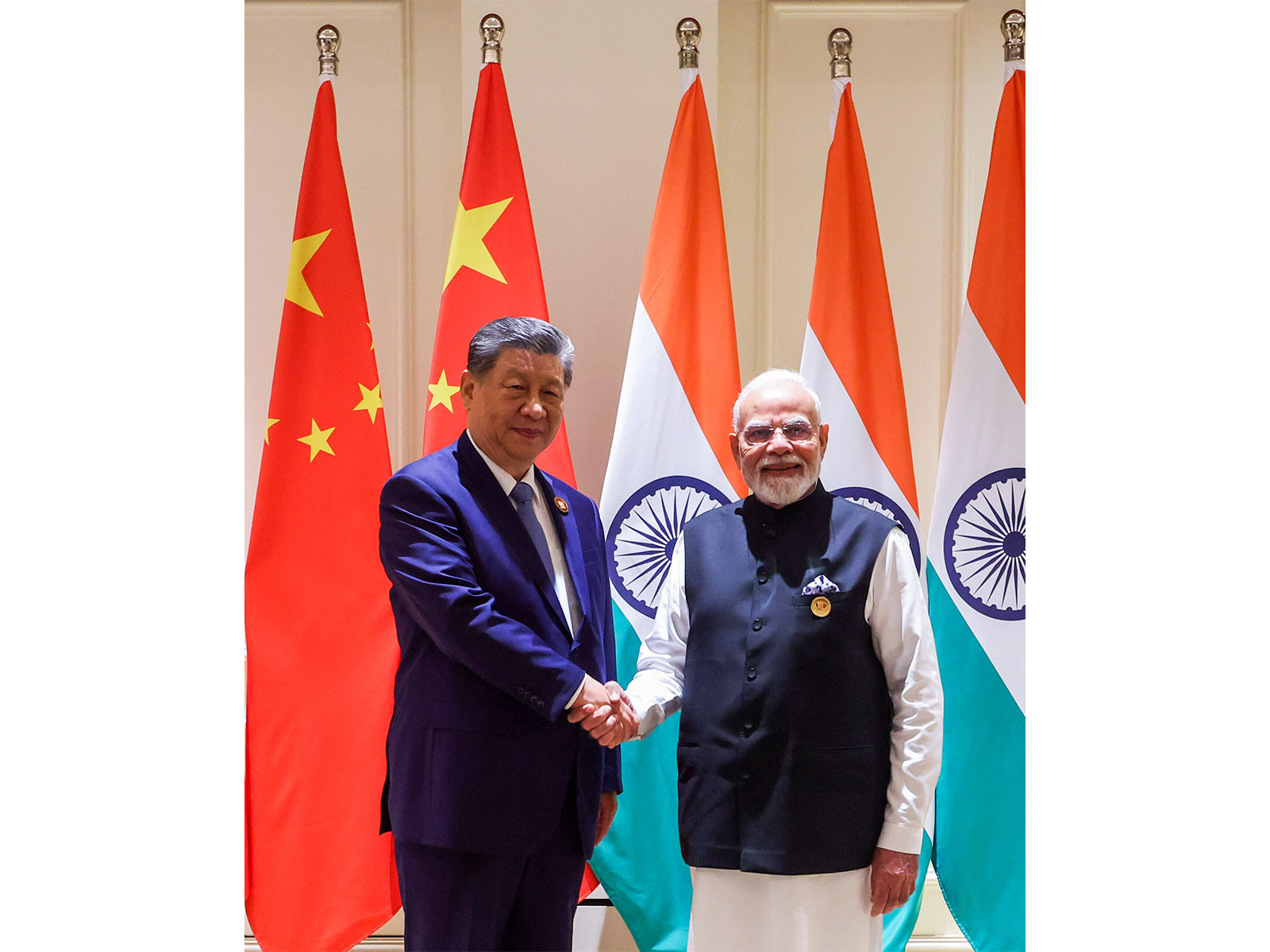
New Delhi [India], September 15 : Highlighting renewed momentum in bilateral ties, Chinese Ambassador to India Xu Feihong on Tuesday emphasised that the meeting between President Xi Jinping and Prime Minister Narendra Modi in New Delhi on the sidelines of the BRICS Summit last week was their third meeting in three years and the most important consensus reached is that China and India should be partners.
In a post on X, Ambassador Xu said the two leaders agreed to properly handle the disputes and disagreements between China and India to jointly safeguard peace and tranquility in the border area.
He said the leaders agreed that the two sides should also address each other’s economic and trade concerns in a balanced way and promote the sound and steady development of economic and trade relations.
He said China will work with India to implement the important common understandings reached between the two leaders, make the cooperation list longer, deepen people-to-people exchanges, have closer collaboration on multilateral occasions, make continued efforts to improve and grow our ties, and “render firm support to each other’s development and revitalization, so that we can contribute to the peace and prosperity in the region and beyond”.
“This was their third meeting in three years, which marks the two leaders ‘reaffirmation’ of the growth of China-India ties after guiding the bilateral relations from starting afresh in Kazan to making further improvements in Tianjin. The most important consensus reached is that China and India should be partners,” Ambassador Xu said.
“The two leaders agreed that as the most populous countries in the world and major members of the Global South, China and India should focus on development, which is the biggest common denominator, strengthen friendly exchanges and mutually beneficial cooperation, and improve public perception of the bilateral relations,” he added.
The Chinese envoy said that the two sides agreed to support each other in chairing BRICS, promote cooperation in the Global South, help build a multipolar world, and serve as forces for progress and stability in the volatile world. "At the same time, the two leaders agreed to properly handle the disputes and disagreements between China and India to jointly safeguard peace and tranquility in the border area."
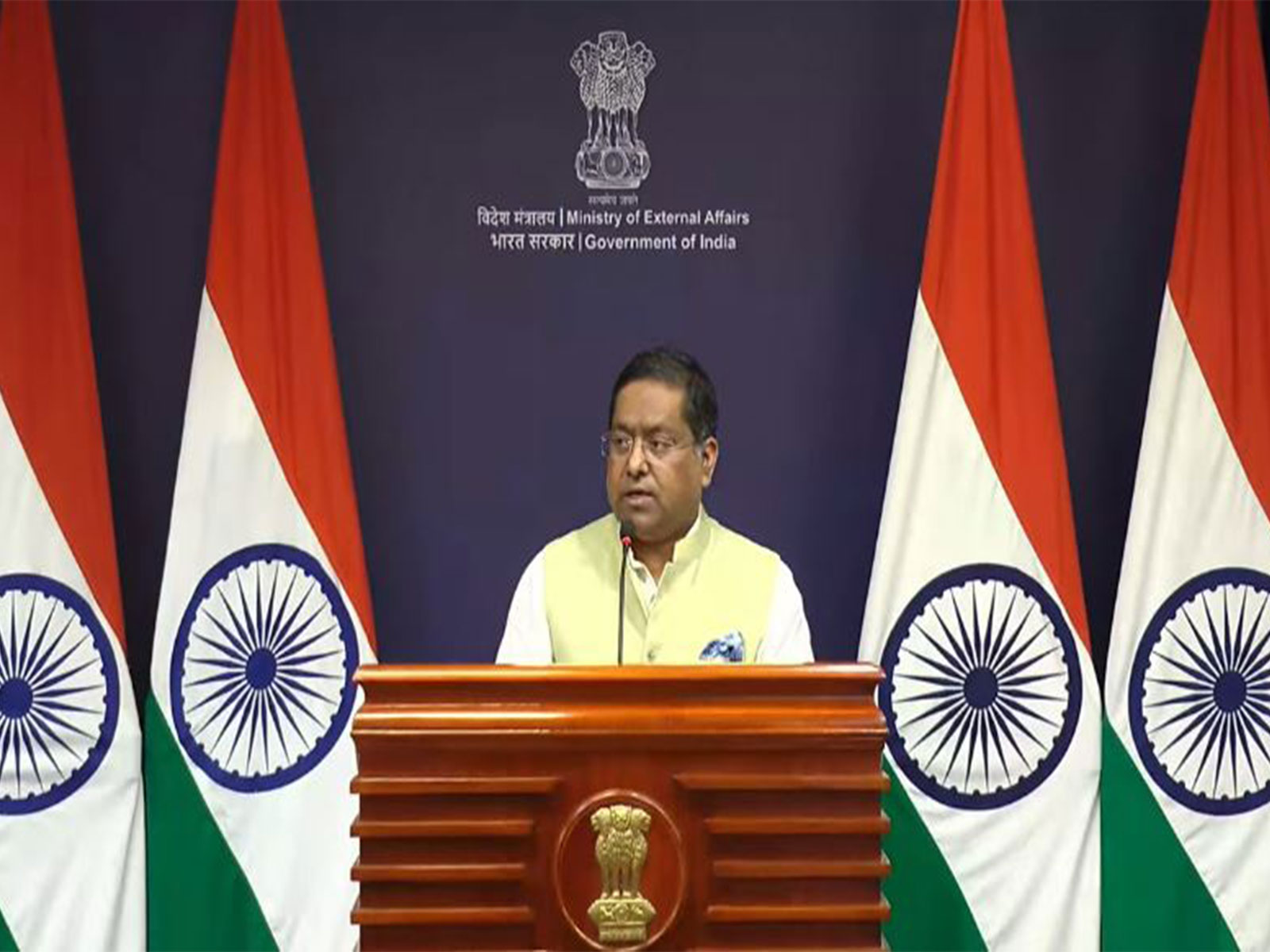
Earlier in the day, responding to queries regarding a five-point initiative proposed by Chinese President during the 18th BRICS Summit, which includes establishing an open-source artificial intelligence ecosystem for member nations, Ministry of External Affairs spokesperson Randhir Jaiswal stated that member countries will evaluate the proposals to determine their future course.
He noted that the initiatives were outlined as part of Beijing's national statement during the summit proceedings.
"The five proposals made by the Chinese side... these proposals were made in the national statement that was delivered during the BRICS summit. So it is now for proposals having been made, it is for the member countries to see how best they can look at these proposals as to, you know, what sort of direction they could be given. But these were made in the national statement," the MEA spokesperson said.
President Xi, speaking on the second day of the 18th BRICS Summit in New Delhi, outlined a five-point action plan designed to expand "greater BRICS" cooperation across artificial intelligence, trade facilitation, digital infrastructure, smart manufacturing, and human resource development, according to state news agency Xinhua.
Emphasising the need to solidify the foundations of the expanded bloc to achieve significant structural progress, he urged member nations to utilise their deep connections with emerging markets and the broader Global South.
He called for maintaining open, mutually beneficial frameworks, protecting the flow and stability of global supply chains, and constructing an integrated regional market, Xinhua reported.
"We should build incubators for innovation, upgrade traditional industries, develop emerging industries, and deploy future industries," Xi noted during his address.
According to Xinhua, under the five-pillar plan, China aims to lead an open-source AI community to develop large language models, establish a special economic zone partnership to streamline trade policies, and build a digital ecosystem cloud platform to foster technical alignment.
Additionally, Beijing offered assistance in constructing smart factories while proposing an engineer cultivation alliance and a youth exchange program to bolster scientific talent development across member nations.