Preserve historic Kamala Nehru Hospital at existing site, says former IGMC Medical Superintendent
May 07, 2026
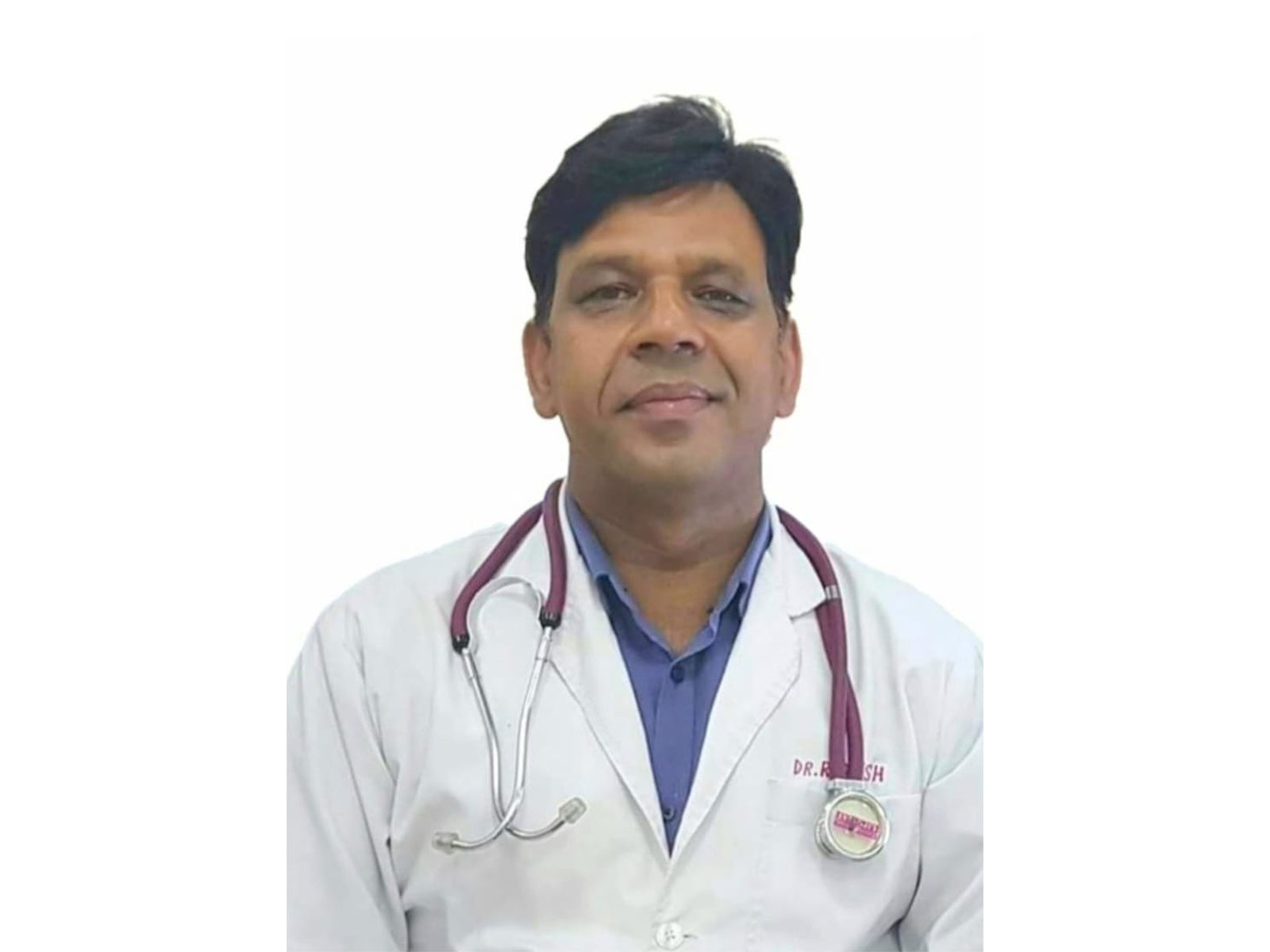
Shimla (Himachal Pradesh) [India], May 8 : Senior medical practitioner and former Medical Superintendent of Indira Gandhi Medical College and Hospital, Ramesh Chand, has strongly advocated against shifting Kamala Nehru Hospital from its present location, saying the institution is not only a vital healthcare centre but also an important historical legacy of Shimla.
Recalling the evolution of healthcare institutions in the hill state, Chand said Kamala Nehru Hospital, earlier known as Lady Reading Hospital during the British rule, has been an integral part of the city's medical history since the days when Shimla served as the Summer Capital under colonial rule.
He said that the hospital stood alongside colonial-era institutions such as Snowdon Hospital, now IGMC, Ripon Hospital, now Deen Dayal Upadhyay Hospital, and Walker Hospital.
"Even today, descendants of British-era families visit the hospital to trace birth records of their ancestors. It is part of Shimla's heritage and identity," Chand said.
Chand, who has served in the state's health sector, claimed that after the establishment of Himachal Pradesh's first medical college at Snowdon in 1966, the Obstetrics and Gynaecology department functioned from Lady Reading Hospital, creating major logistical difficulties for doctors, students and patients.
"There was a period when medical students literally had to run between Snowdon and Kamala Nehru Hospital for classes. Often after reaching there on foot, they would find classes cancelled," he said.
He said the hospital lacked even basic infrastructure, such as laboratory facilities and a blood bank, during its early years.
"Doctors had to carry blood samples and reports on foot to IGMC. Sometimes reports would take days to arrive," he said.
Chand said patient care also suffered due to the separation of facilities between the two hospitals.
"There were situations where a sick mother remained admitted at KNH while the newborn child had to be shifted to IGMC. Family members had to move continuously between the two hospitals," he recalled.
Highlighting the gravity of emergency situations in those years, Chand said arranging emergency Caesarean sections often became a challenge because surgeons, anaesthetists and blood bank staff had to be coordinated from different locations.
"In serious cases, an entire night could pass just arranging specialists and blood. Many avoidable tragedies occurred because of these delays," he said.
Recalling one particularly tragic incident, Chand said a family transporting a critically ill newborn from KNH to IGMC during heavy rain was buried alive after a road cave-in near the Cancer Hospital area.
"At that time, public opinion and even doctors favoured shifting KNH closer to IGMC because of such hardships," he said.
However, Chand said the situation has changed completely over the years, and there is now no justification for relocating the hospital.
"Kamala Nehru Hospital today is a fully developed and self-sufficient institution with modern facilities. The circumstances that existed decades ago no longer exist," he said.
He further argued that shifting the hospital to the already congested IGMC campus would create additional pressure on the healthcare infrastructure.
"IGMC is already overcrowded. Relocating KNH there would only worsen congestion and inconvenience for patients," he said.
Chand also pointed out that sufficient scope for future expansion still exists within the present KNH campus.
"If there was truly enough space at IGMC for shifting KNH, then the Super Speciality Hospital would not have been constructed at Chamyana," he remarked.
Backing the ongoing public sentiment against relocation, Chand said preserving the institution at its present site was both practical and emotionally important.
"This hospital is a historical heritage and is now functioning smoothly. Moving it now is neither logical nor just. It should remain where it is, in respect of public sentiment and its own legacy," he said.