Traditional stockbroking firms must adapt to AI-driven changes or risk becoming obsolete in 10 years: DEA Joint Secretary Alok Tiwari
Oct 24, 2026
Mumbai (Maharashtra) [India], October 24 : Rapid technological adoption and capacity building in capital markets are proceeding at a brutal pace, making traditional brokerage setups and legacy operational models unsustainable within the next decade, a senior government official said on Saturday.
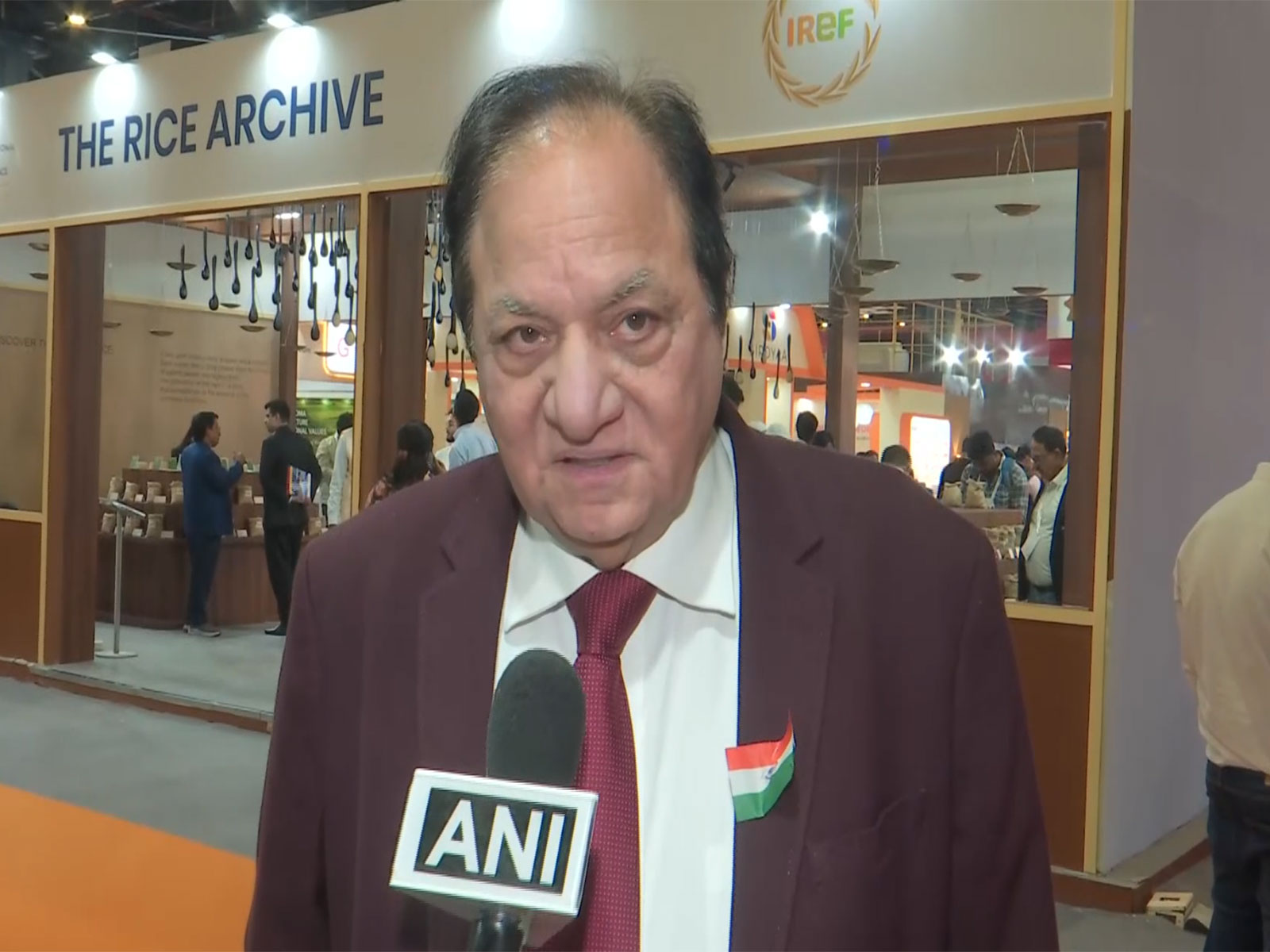
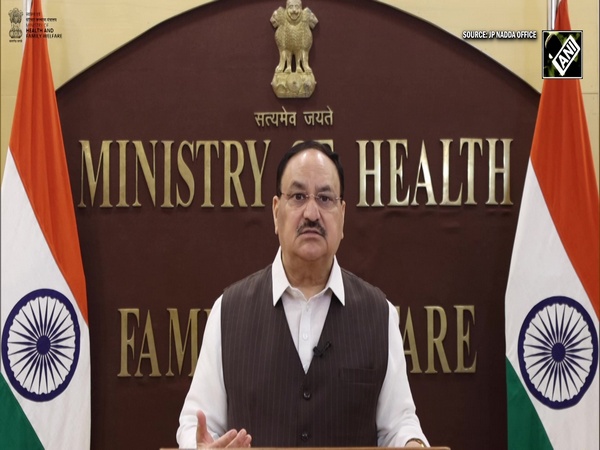
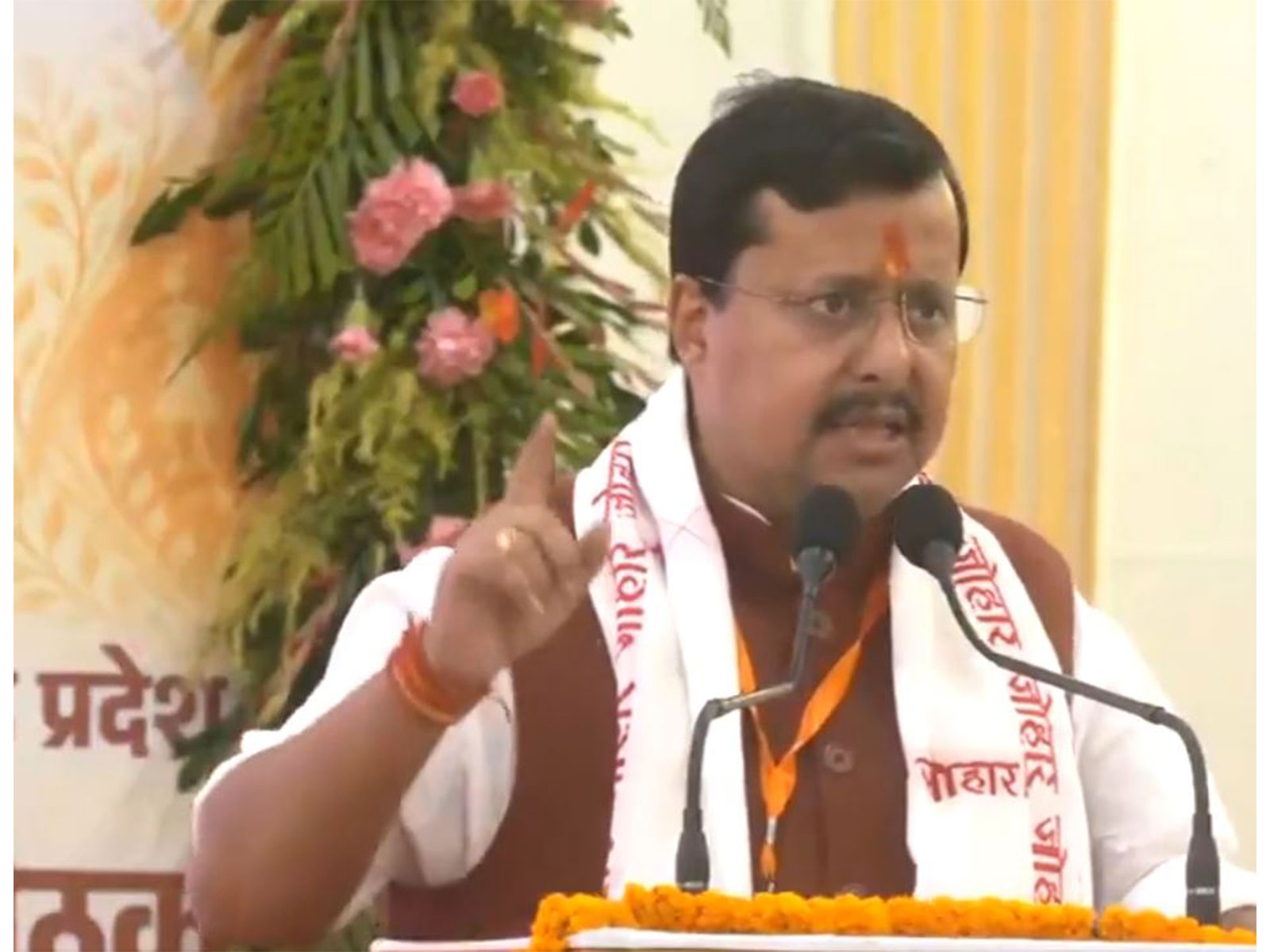
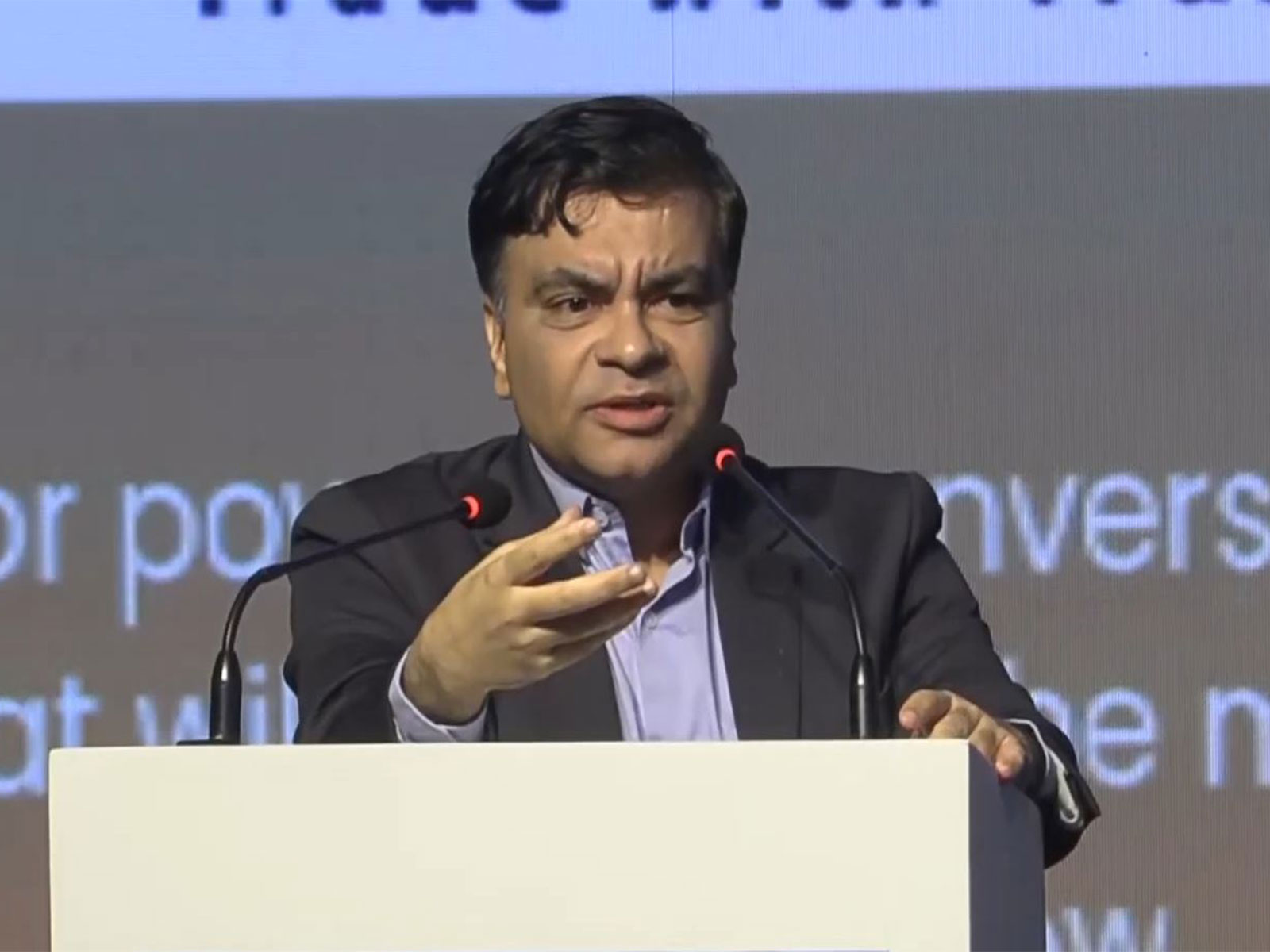
Addressing market intermediaries at the 16th ANMI International Capital Market Convention in Mumbai, Dr Alok Tiwari, Joint Secretary (Financial Markets), Department of Economic Affairs (DEA), Ministry of Finance, warned that market participants must proactively transform their governance and ownership frameworks.
"Technology, the rate of change and capacity building are brutal. 10 years down the line, many of the participants in this room may not be there in this room, or may not deserve to be in this kind of legendary position," Tiwari said, pointing out that disruptive forces like Artificial Intelligence and quantum computing are reshaping financial operations globally.
Urging broking entities to rethink traditional business models, Tiwari questioned the long-term viability of small, family-controlled firms in an increasingly complex and technology-driven landscape.
"Should they continue to be crowd family firms of three generations or two generations or fourth generation stock broking? Or should they be more professional firms? Do we need consolidation, or do we continue to have five-member or three-member firms?" he asked, calling for corporate consolidation and institutional professionalisation across the industry.
Stressing that technological integration alone is insufficient, Tiwari emphasised that internal organisational and regulatory frameworks must evolve concurrently to handle upcoming shifts.
"Can we, instead of just reacting to technology and coming to terms with technology, evolve our structures? Evolve governance structures of businesses, our ownership institutions, and the way they are functioning right now?" Tiwari noted, citing ancient philosopher Heraclitus's principle — "you cannot enter the same river twice" — to highlight that market participants must change alongside their environment.
Turning to the core foundation of capital markets, the Joint Secretary highlighted that credit and credibility are built on trust, categorising market confidence into inductive and structural forms.
"We have seen trust as an inductive thing. You trust someone or some institution because the person or organisation or institution has been around for a long time and has done right things," Tiwari explained, contrasting historical reputation-based trust with structural trust enforced through audit assurance functions, system checks and governance reforms.
Emphasising the vital role played by market intermediaries in driving market momentum and wealth creation, Tiwari likened regulators and market infrastructure institutions to facilitators rather than the primary attraction.
"Nobody goes to a football match to watch the referee. SEBI and regulators are, in a certain way, referees. You are the players — the football players, the action heroes," Tiwari concluded, extending his best wishes to ANMI members for their future journey.