US claims Chinese AI firms are carrying out ‘industrial-scale’ theft of trade secrets
Sep 09, 2026
Washington, DC [US], September 9 : United States federal agencies have alleged that Chinese artificial intelligence companies are executing “industrial-scale” theft of American competitors' trade secrets to cut development costs and accelerate market deployment.
According to a joint advisory released on Tuesday by the Federal Bureau of Investigation, National Security Agency, and the Cybersecurity and Infrastructure Security Agency, major Chinese technology enterprises are deploying “distillation” techniques, training smaller models on more advanced architectures, to “extract restricted proprietary functionalities and capabilities of US frontier AI models.”
While American authorities and tech executives acknowledge that distillation can function as legitimate research, they have repeatedly contended that the massive volume and deliberate focus of Chinese campaigns equate to outright theft.
The advisory substantiates these claims amid escalating geopolitical tensions over artificial intelligence. President Donald Trump indicated that artificial intelligence will form part of the agenda when he hosts Chinese leader Xi Jinping in Washington, DC, later this month.
Describing the operational scale, the advisory stated, “The sheer scale of these campaigns and their sophistication indicate that distillation is not a supplement to these companies’ AI model development, but the critical core of it.”
US agencies alleged that China-based AI entities utilise “a grey market of proxies known as ‘transfer stations’” to bypass geographic limitations, defensive safeguards, and terms of service implemented by American firms.
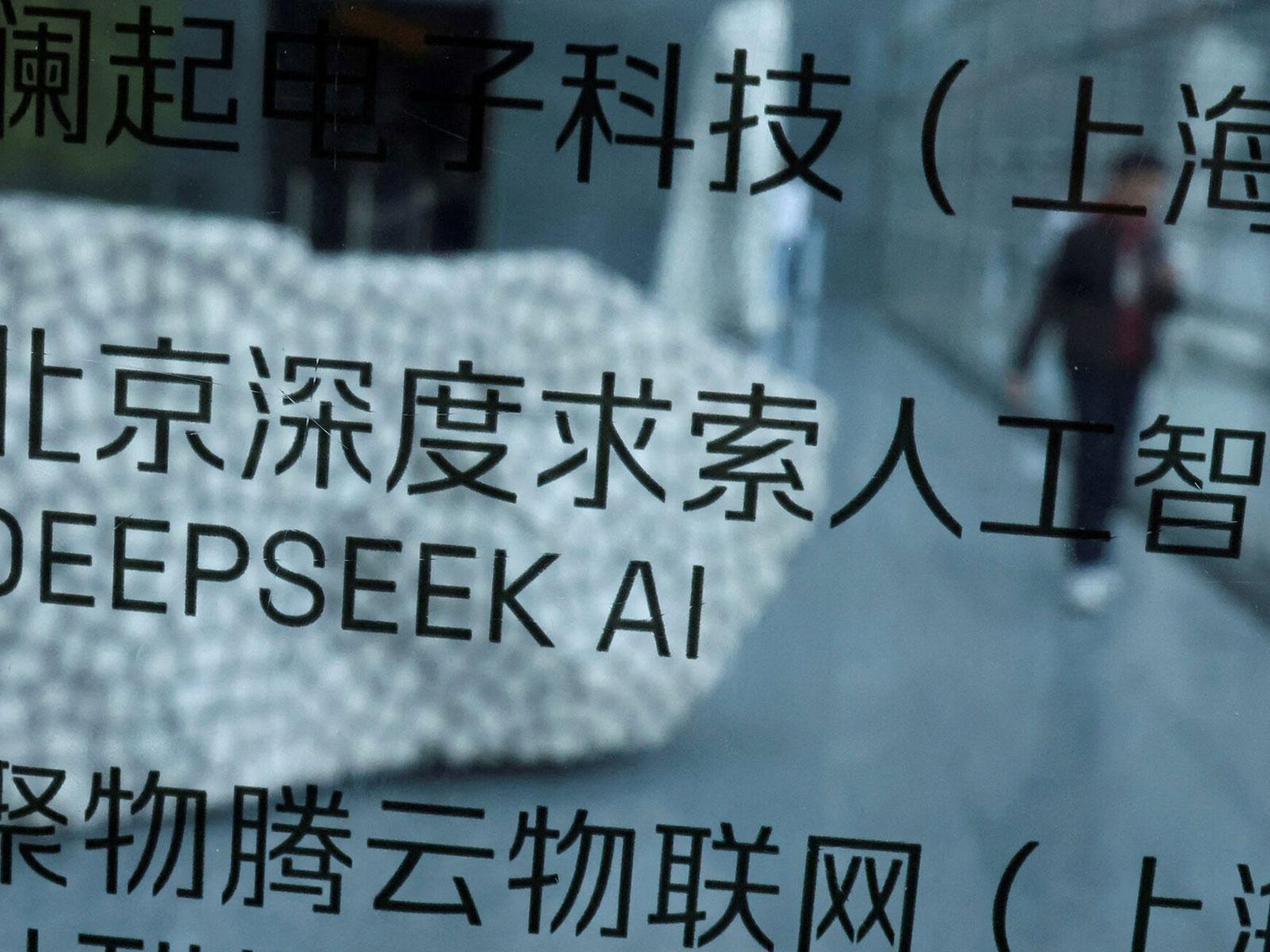
The advisory specifically named several Chinese technology corporations, including Alibaba Group and DeepSeek, for carrying out “high-volume knowledge distillation campaigns” against US counterparts.
Weighing in on the enforcement front, US Treasury Secretary Scott Bessent warned of impending punitive measures against Chinese companies engaged in such activities.
Writing on X, Bessent stated, “When [People’s Republic of China] firms conduct covert, industrial-scale distillation attacks that cross the line into IP theft, sanctions and Entity List designations will be on the table.”
In a related disclosure, Anthropic claimed that three Chinese AI laboratories orchestrated an “industrial-scale campaign” aimed at extracting capabilities from its flagship model, Claude.
Anthropic alleged that the Chinese labs “generated over 16 million exchanges with Claude through approximately 24,000 fraudulent accounts.”
Meanwhile, the intensifying worldwide competition for artificial intelligence dominance has heightened cybersecurity vulnerabilities for US corporations.
A report published Tuesday by Google’s Threat Intelligence Group revealed that hackers across various motivations are “increasingly targeting AI assets.”
The report noted that malicious actors have increasingly focused on “proprietary AI models and source code,” adding that “This shift underscores that enterprise AI assets, from model weights to cloud compute quotas, are high-value targets for espionage, extortion, and resource theft.”