US lifts maritime blockade on Iranian ports after signing MoU, says CENTCOM
Jun 19, 2026
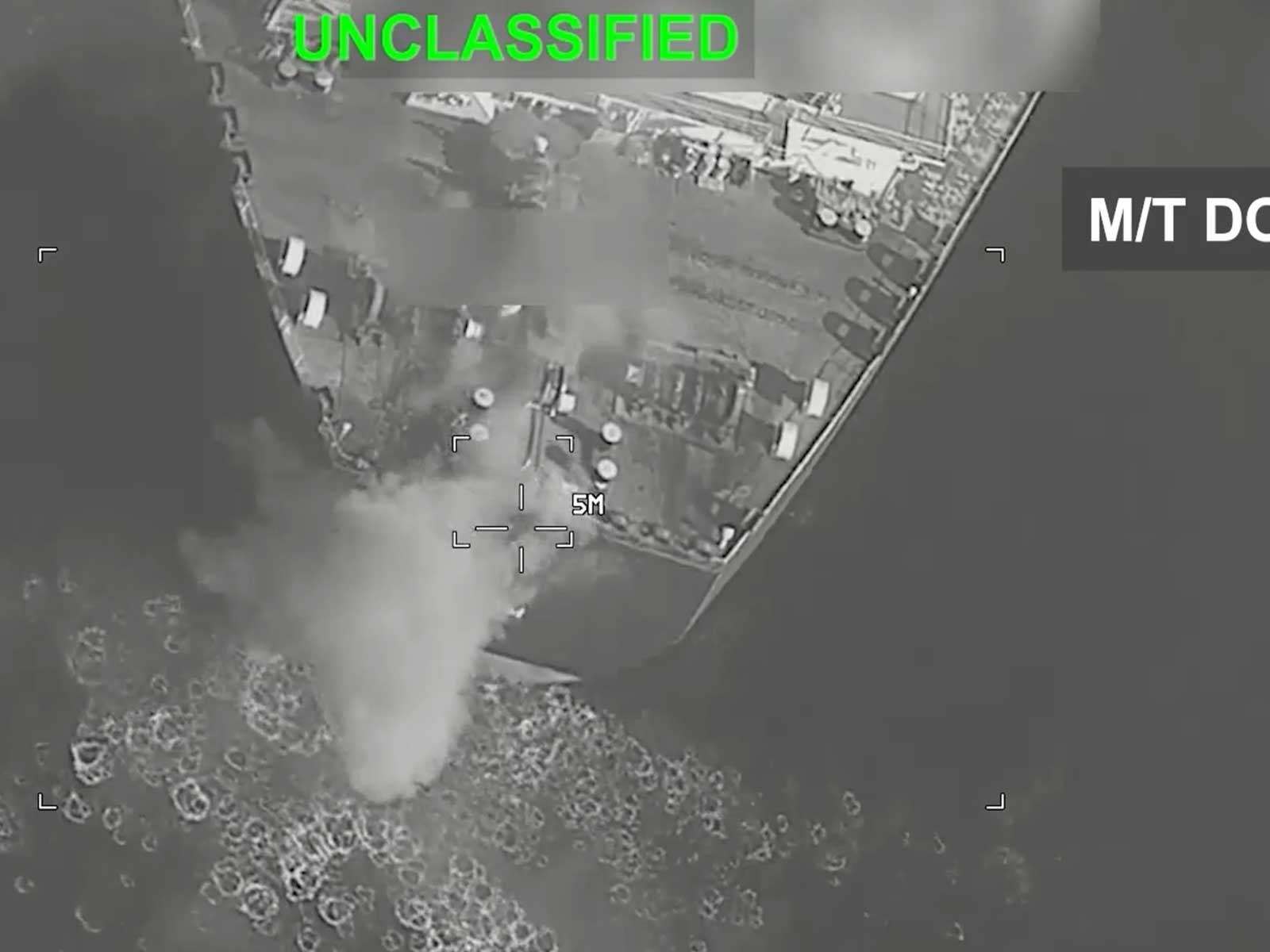
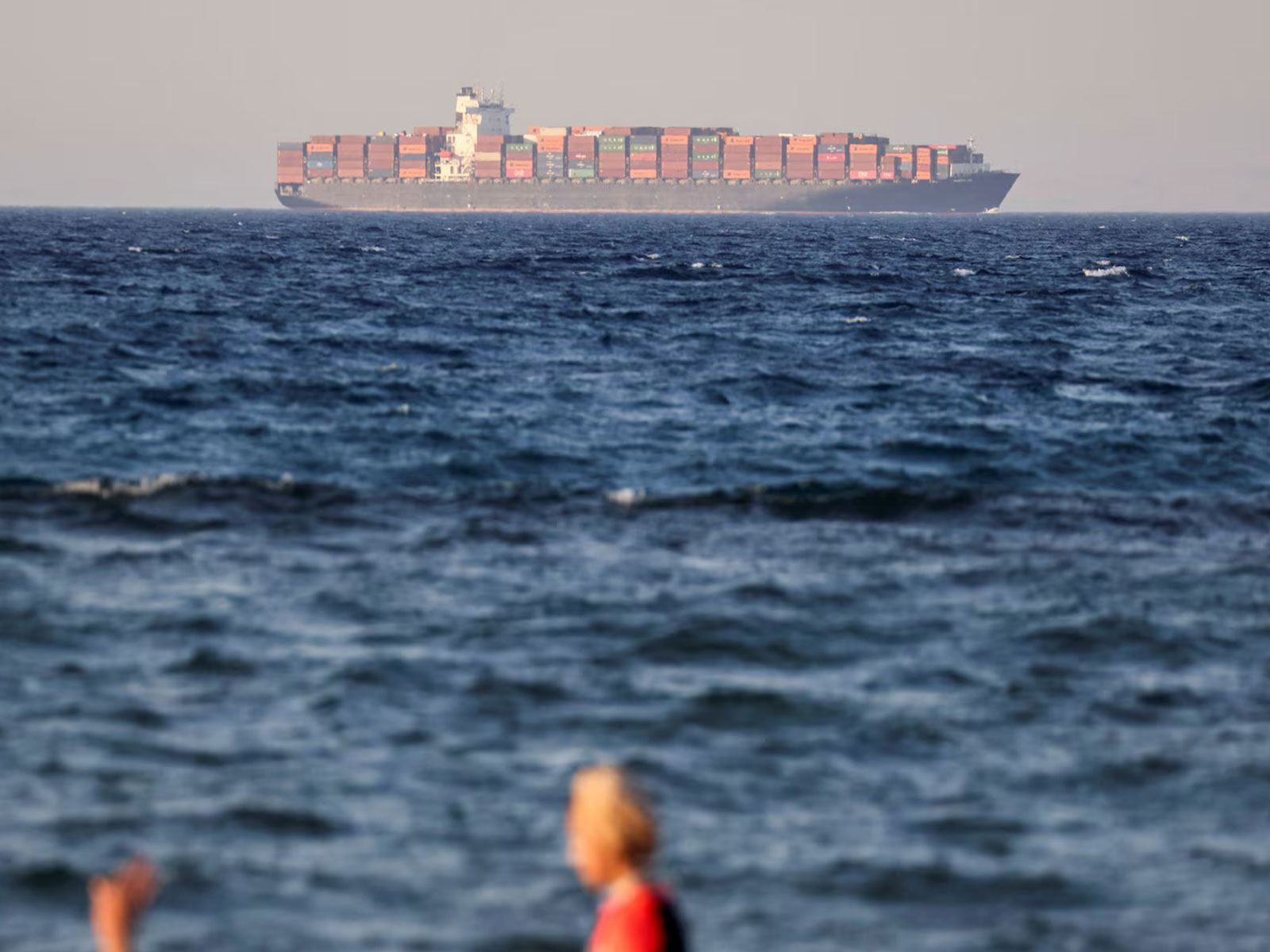
Washington DC [US], June 19 : The US Central Command (CENTCOM) on Thursday (local time) announced that the United States has lifted its maritime blockade on all traffic entering and exiting Iranian ports and coastal areas, marking a major implementation step under the newly signed US-Iran agreement as the two sides begin a 60-day negotiation process toward a comprehensive deal.
In a post on X, CENTCOM said American forces had ceased all blockade enforcement operations in accordance with the direction of US President Donald Trump.
"Today, US forces lifted the blockade on all maritime traffic entering and exiting Iranian ports and coastal areas, in accordance with the President's direction. American forces are not impeding the transit of vessels to or from Iranian ports. All US military blockade enforcement efforts have ceased," CENTCOM stated.
The command added that US naval assets would continue to operate in the region to ensure compliance with the agreement.
"Our great Naval Ships will remain in the general area to make sure that all aspects of the agreement are adhered to, obeyed and in full force and effect," the statement added.
The announcement comes as Washington and Tehran formally enter a 60-day period of negotiations following the signing of a memorandum of understanding aimed at ending hostilities, reopening maritime routes and laying the groundwork for a broader agreement covering sanctions, security and Iran's future military capabilities.
US Vice President JD Vance confirmed that the negotiating clock officially began on June 18, one day after the framework agreement was signed.
"I would say the 60-day period officially started today. So, yes, the deal started yesterday. We're going to start the 60-day clock today," Vance said while briefing reporters at the White House.
Defending the agreement, Vance said the administration's strategy was already producing tangible results, particularly in restoring shipping activity through the Strait of Hormuz and easing pressure on global energy markets.
He noted that more than 12.5 million barrels of oil passed through the Strait of Hormuz overnight, the highest volume recorded since the conflict began.
"Last night, 12.5 million barrels of oil went through the Strait of Hormuz, which is a high since the beginning of the conflict," Vance said.
The Vice President also highlighted declining fuel prices in the United States, arguing that the agreement was delivering immediate economic benefits.
"Oil prices are down nearly to their level from the pre-war conflict, gas prices dropped below USD 4 a gallon today for the first time since the conflict, and importantly, they're going to keep falling further given how low oil prices are," he said.