Fed under Kevin Warsh could reshape global central banking, financial markets: SBI Research
Jul 01, 2026
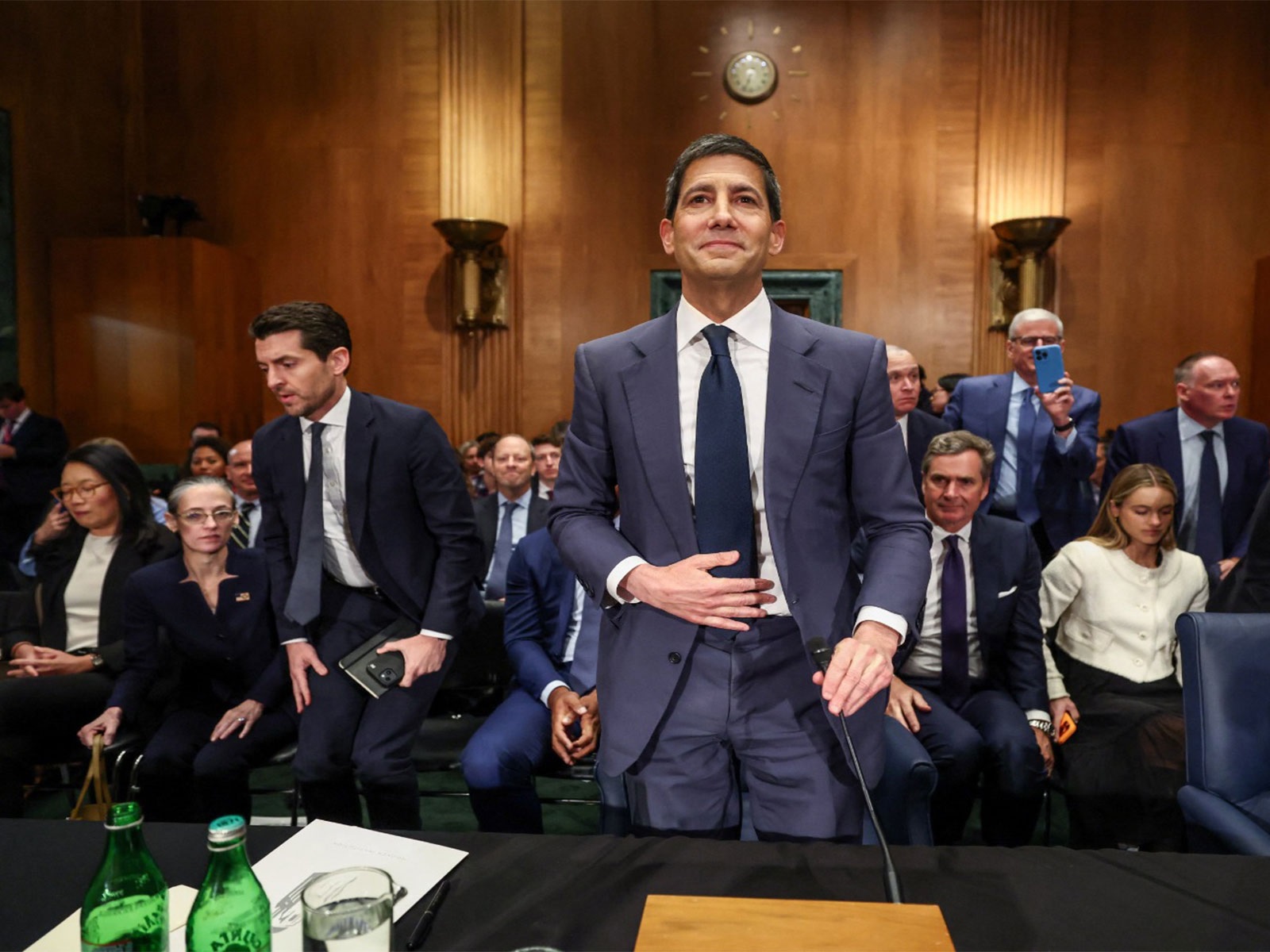
New Delhi, [India] Jul 1 : The US Federal Reserve under its new Chair Kevin Warsh could fundamentally alter the way central banks communicate and conduct monetary policy, with far-reaching implications for the US economy, financial markets and the global monetary system, according to an SBI Research report released on Tuesday.
The report says Warsh's approach marks a departure from the communication-heavy framework adopted by recent Federal Reserve leadership, favouring institutional discipline, narrower mandates and greater reliance on markets rather than extensive forward guidance.
"Fed's playbook under Kevin Warsh seems poised for a pot boiler that can break or make the way Central Banks and broader markets function and fight for superior relevance in an age of disruption and shifting narratives," the report said.
According to SBI Research, Warsh is attempting to redefine the Federal Reserve's operating philosophy by reducing policy signalling and making markets focus more on economic data than on central bank messaging.
The report says Warsh's instinct is "institutional" rather than merely hawkish, with a preference for fewer policy tools, smaller balance sheets and restrained communication. However, it cautions that such an approach carries risks if markets are left without sufficient clarity on the Fed's reaction function.
It notes that while a less communicative central bank may strengthen credibility under stable conditions, the current backdrop of geopolitical tensions, artificial intelligence-led disruption, elevated fiscal deficits and tariff uncertainties presents a far more complex environment.
"A less-talking Fed works will work when the world is less confused," the report said, adding that reduced communication should be accompanied by clearer thresholds explaining what economic data would prompt a change in the central bank's policy stance.
Beyond the United States, SBI Research believes Warsh's policy framework could significantly influence global financial conditions. It says changes in Federal Reserve communication and policy expectations would affect Treasury yields, the US dollar, capital flows and borrowing costs across advanced and emerging economies.
The report notes that a stronger dollar could help moderate US inflation by reducing import costs, but at the same time weigh on exports, lower overseas earnings of US companies and increase debt servicing pressures for economies with large dollar-denominated liabilities.
It also says that if long-term US bond yields remain elevated because of higher term premiums, tighter financial conditions could emerge even without additional policy rate hikes, creating broader spillover effects across global markets.
Highlighting the international significance of the Federal Reserve's credibility, SBI Research said, "Global spillover: a credible Fed is a public good; a confused Fed is a global tax."
According to the report, the biggest challenge for Warsh will be balancing institutional independence with policy credibility. It says that if the Federal Reserve succeeds in restoring monetary discipline while keeping its policy framework transparent, it could reinforce confidence in the US economy. However, if reduced communication creates uncertainty or is viewed as politically driven, it could undermine market confidence and amplify volatility across global financial markets.