"Harmonising national interest with global good": EAM Jaishankar hails India's Vaccine Maitri as model for responsible leadership
May 08, 2026
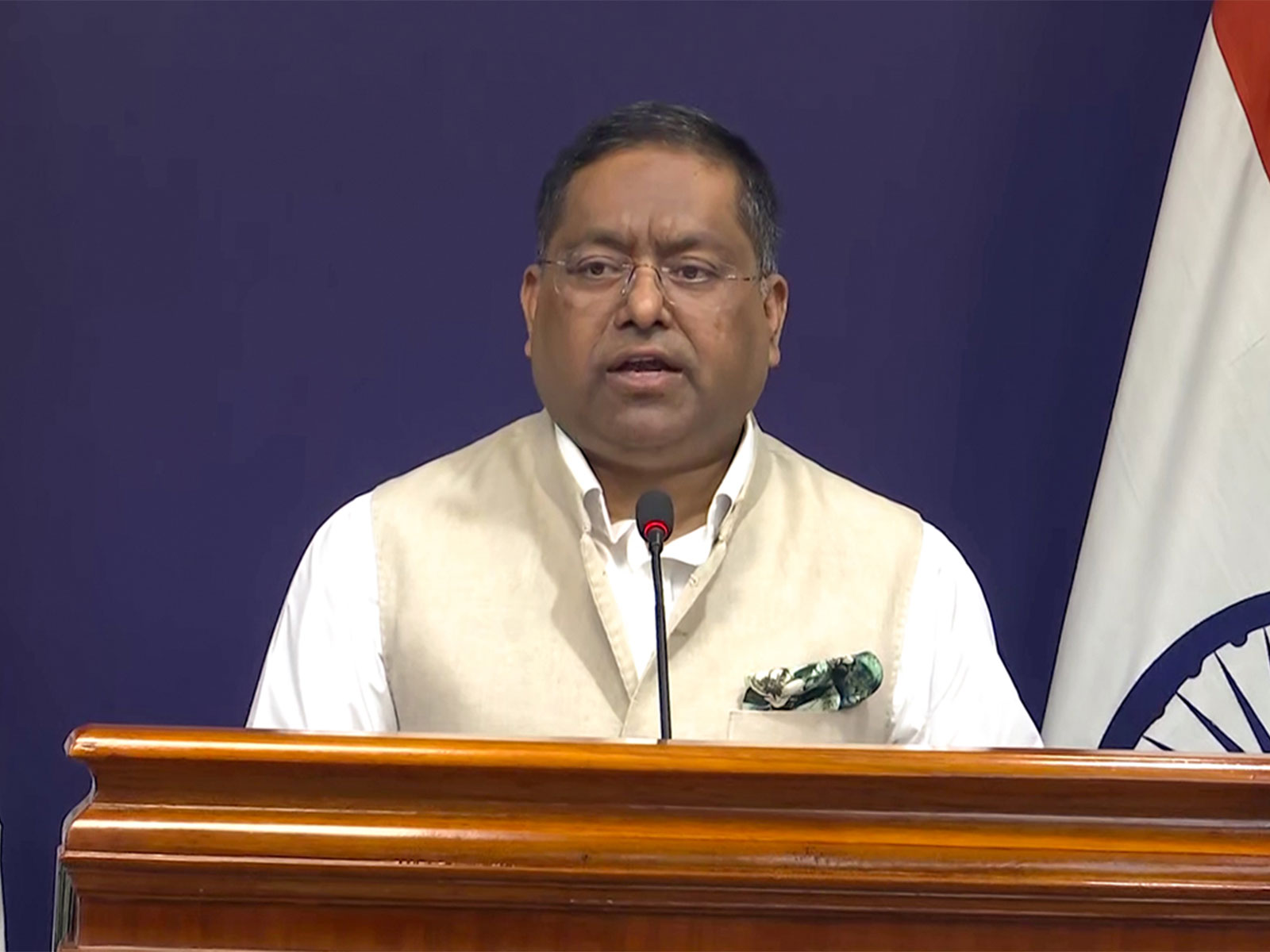
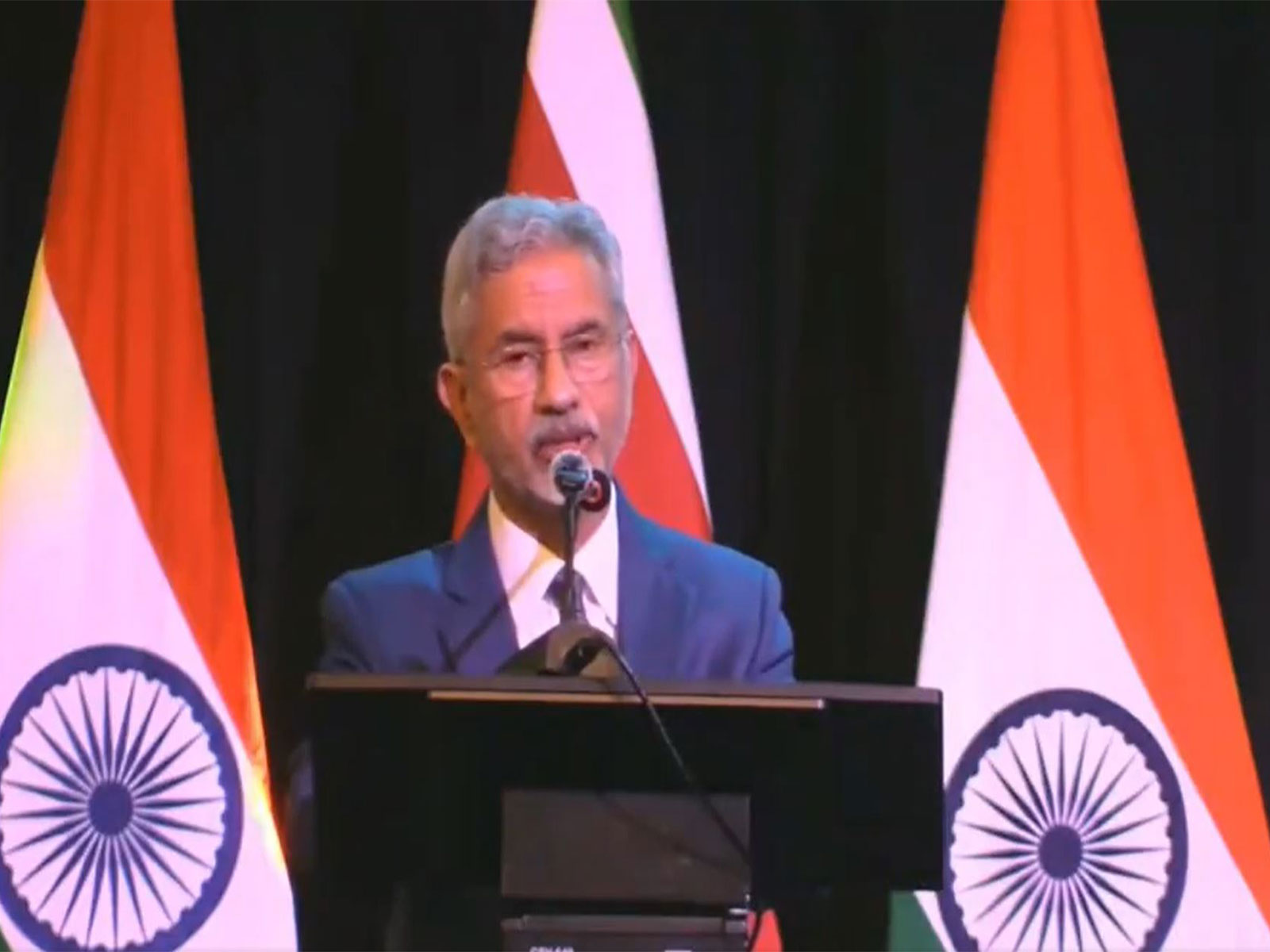
Paramaribo [Suriname], May 8 : In a sharp reflection on global ethics during the pandemic, External Affairs Minister S Jaishankar contrasted India's humanitarian approach with the self-serving actions of wealthier nations that prioritised vaccine hoarding over global equity.
Addressing representatives from various sections of Surinamese society, he pointed out the stark disparity in vaccine distribution that emerged during the height of the crisis, noting that some nations "stockpiled vaccines" for up to "eight times the population" while the developing world was left behind.
The Minister's address underscored India's role as a reliable global partner that stepped up when others retreated into isolationism.
"Now, at that time, India happened to be a country which rose to the occasion. We supplied vaccines to a very large number of countries and to international initiatives," External Affairs Minister S Jaishankar stated, highlighting the nation's "Vaccine Maitri" initiative.
The Minister, who arrived in Suriname on Wednesday as part of an ongoing three-country tour of the Caribbean from May 2 to 10, framed this effort as a defining moment for Indian diplomacy.
Launched on January 20, 2021, the Vaccine Maitri mission stood as a landmark humanitarian endeavour by India to distribute COVID-19 vaccines globally, a move that solidified its reputation as a "responsible global power" and the definitive "pharmacy of the world."
This ambitious project was steered by the ancient philosophical guiding light of Vasudhaiva Kutumbakam, the belief that "the world is one family," and resulted in the delivery of nearly 300 million doses to approximately 100 nations by 2023.
The initiative was built upon a principled policy of taking a primary role in safeguarding global health, leveraging India's vast manufacturing strength to serve the greater good.
Even as various parts of the globe succumbed to the pressure of vaccine nationalism, the Indian government remained steadfast, rejecting what was viewed as an "insular approach to foreign policy" in favour of international solidarity.
This selfless commitment generated immense diplomatic goodwill, particularly among developing and low-income countries that found themselves sidelined by more affluent nations during the crisis.
Defining what constitutes responsible leadership on the world stage, External Affairs Minister S Jaishankar noted that India's actions were rooted in this larger sense of duty.
"So when I said one of the characteristics of a good partner is a nation which is able to harmonise its national interests with a commitment to global good," he added.
By prioritising the ethos that "the world is one family" through this practical application of selfless assistance, India significantly amplified its soft power, earning widespread acclaim from global institutions like the United Nations and the QUAD.