Nepal calls for resolution of Lipulekh issue through diplomatic channels as it maintains claim over it
May 08, 2026
Kathmandu [Nepal], May 8 : Nepal has called for the resolution of the Lipulekh territorial issue through diplomatic channels with India while maintaining claims over it. Nepal's reiteration over the disputed territory comes in wake of the recent opening of the route to the Kailash Mansarovar pilgrimage via Lipulekh Pass. The pilgrimage, organised by the Indian Government, is scheduled to operate from June to August 2026.
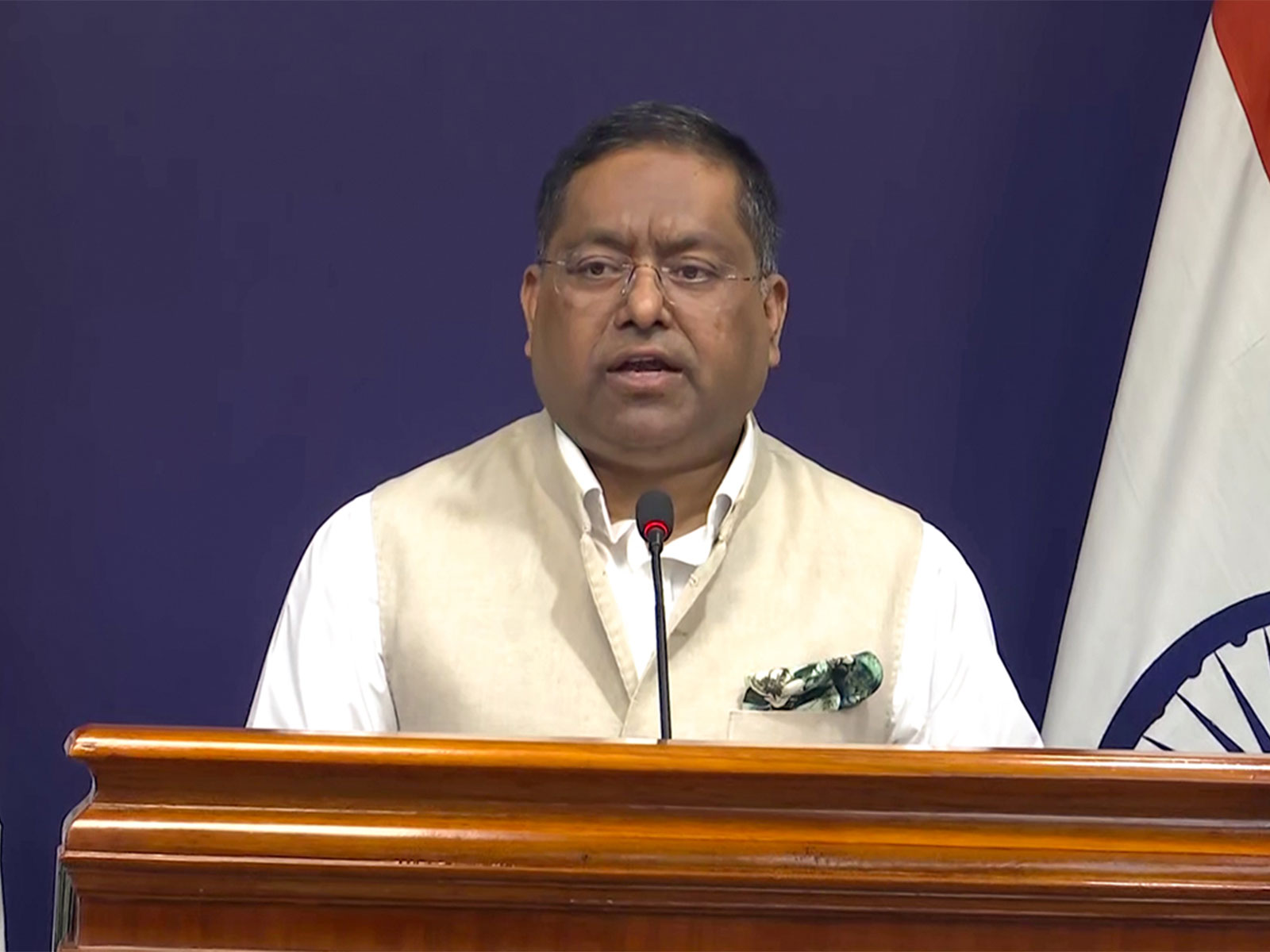
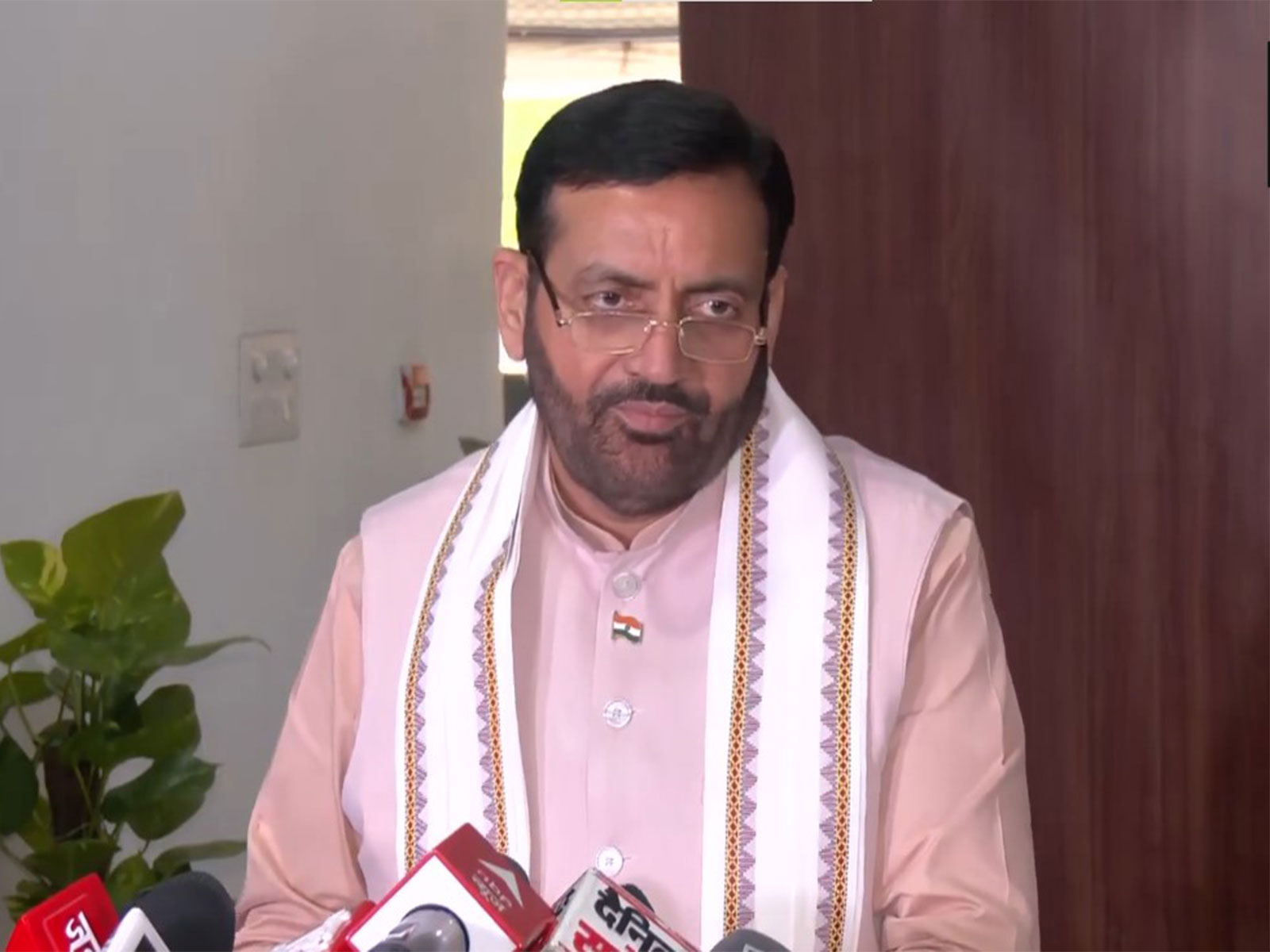
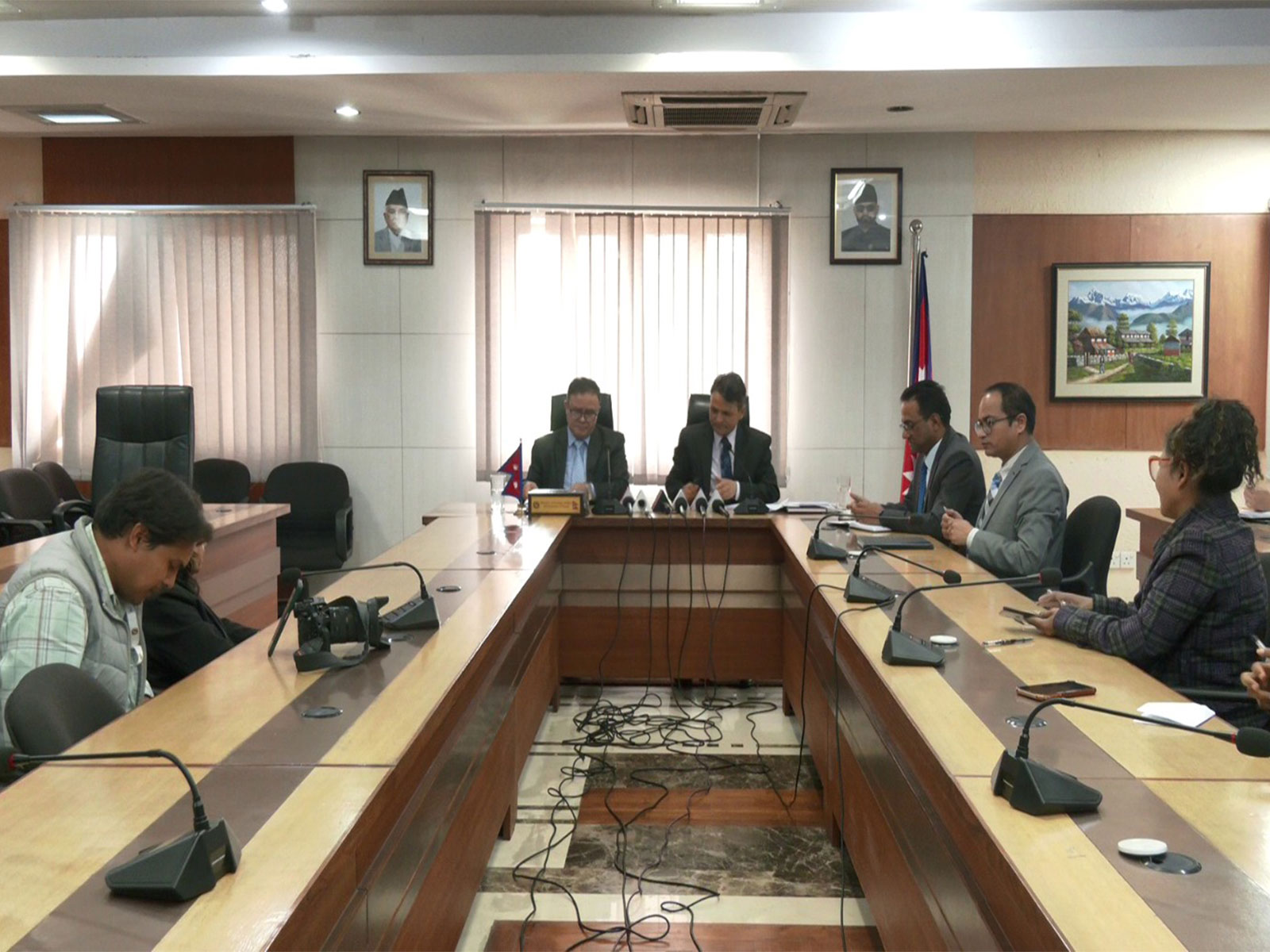
In a press conference organised in Kathmandu on Thursday, the Ministry of Foreign Affairs Spokesperson Lok Bahadur Poudel Chhetri reiterated that the claims by Nepal are based on evidence and the Sugauli Treaty.
"Regarding the issue of Lipulekh, we have already made our stand public. Through Nepali territory Lipulekh, India and China's planned Kailash Mansarovar (pilgrimage), we had issued a stand on 3rd May, 2026. Everyone is well aware and informed about it. The 1816 AD Sugauli Treaty has made the demarcation that the areas lying on the East of the Mahakali- the Limpiyadhura, Lipulekh and Kalapani is Nepali territories and the Government of Nepal is clear and firm on this fact. From the Nepali territory, the Lipulekh- the planned pilgrimage of Kailash Mansarovar, the Government of Nepal has expressed its concern and stance to both India and China through the diplomatic channels again," Chhetri said.
Further adding, "Earlier as well, the Government of Nepal had raised concern with the Indian government to not move ahead with road construction or expansion, trade along the route or any pilgrimage through the area again. Along with, we have formally informed China that Lipulekh is a Nepali territory in the note. The cordial relation that exists between India and Nepal, on the basis of the treaties and agreements signed- the facts, maps and evidences, the Government of Nepal is always committed for the resolution of the border issues through the diplomatic channel."
Meanwhile, India, responding to a press query, said the route to Mansarovar is a long-standing issue. The Government of Nepal on Sunday had announced that it sent diplomatic notes to India and China over the Kailash Mansarovar pilgrimage via Lipulekh, stating formal objection over the plan.
Responding to the media queries, the Ministry of Foreign Affairs, Nepal reiterated that the Lipulekh Pass, along with Limpiyadhura and Kalapani, lies within its territory based on the 1816 Treaty of Sugauli.
The ministry said Nepal has consistently raised concerns with India regarding activities such as road construction, trade, and pilgrimage routes in the disputed area, urging that such actions not be carried out unilaterally.
It also clarified that China has been officially informed of Nepal's position on Lipulekh being part of its territory.
Reaffirming its commitment to diplomatic resolution, the ministry said Nepal remains open to addressing border issues with India through dialogue based on historical agreements, maps, and evidence, while maintaining friendly bilateral relations.
India and China had agreed to reopen border trade through Lipulekh Pass, a point located 56 kilometres inside Nepal's western frontier in Limpiyadhura. The agreement
was made during Chinese Foreign Minister Wang Yi's visit to India.
Both the countries made the agreement during a meeting between the Indian External Affairs Minister S. Jaishankar and Chinese Foreign Minister Wang Yi. Point nine of the joint communique mentions the resumption of border trade. "Both sides agreed to the re-opening of border trade through the three designated trading points, namely Lipulekh Pass, Shipki La Pass and Nathu La Pass."
Nepal's Ministry of Foreign Affairs had objected the agreement of India and China to open trade route via Lipulekh asserting claim over the land. Issuing a statement, the Ministry asserted claims over the land objecting the unilateral move by China and India.
Responding to the release by Nepal's Foreign Ministry, India's Ministry of External Affairs (MEA) rejected Kathmandu's claim and reiterating that trade through the route existed for decades.
The statement released by Randhir Jaiswal, the Spokesperson for the MEA claimed that the trade had been disrupted in recent years due to COVID and other developments, and both sides had now agreed to resume it.
On Nepal's territorial claims, Jaiswal said such claims were "neither justified nor based on historical facts and evidence," describing them as "untenable."
Earlier in the year 2020, Nepal amended constitution incorporating new political and administrative map in preamble of the constitution. The new map included the tri-junction of Limpiyadhura, Kalapani and Lipulekh which has remained a disputed area between Nepal and India.
Nepal's updated map prepared incorporating the missing territories was submitted to the Ministry of Land Management by the Department of Survey which claims to have taken accurate scale, projection and coordinate system. It was publicly released on 20 May 2020 after a go-ahead signal from the Cabinet meeting on 18th of May same year.
The department has collected a map drawn during the Treaty of Sugauli, another brought from London, receipts of payment of land revenues and the order issued on by the then Prime Minister Chandra Shumsher, as evidence to claim the land belongs to Nepal.
The earlier map issued in 2032 BS had left Gunji, Nabhi and Kuri villages which now has been included in the lately revised map adding on 335 square kilometers of its land.
Tensions had flared in between New Delhi and Kathmandu in 2020 after issuance of political map by Nepal on mid of May including the tri-junction, which India earlier had included in its November, 2019 issued map.
Diplomatic ties between the nations severed further after the inauguration of road linking Kailash Mansarovar via Lipulekh on May 8, 2020 after which Nepal handed over diplomatic note to India objecting the move.
Prior to the handover of the diplomatic note, Nepal also had strongly objected over India's unilateral move of constructing the road. Nepal said it has "consistently maintained" that as per the Sugauli Treaty (1816), "all the territories east of Kali (Mahakali) river, including Limpiyadhura, Kalapani and Lipu Lekh, belong to
Nepal." Indian Defence Ministry had said the Border Road Organisation (BRO) in Uttarakhand has connected Kailash Mansarovar route to Lipulekh pass, which will provide connectivity to border villages and security forces.
India and China discussed about the Lipulekh pass for the first time in a decade, post-2015's China visit by Indian Prime Minister Narendra Modi. During Modi's visit, then Chinese Premier Li Keqiang agreed to expand trade via Lipulekh. The joint statement issued on May 15, 2015, included the agreement in point 28.
The 2015 decision triggered strong protests in Nepal as the agreement was reached without its consultation, despite the pass lying within Nepali territory. The Nepal government formally objected at the time, sending diplomatic notes to both countries.
With India and China working to improve strained relations following the 2020 Galwan Valley clashes, both sides have once again agreed to open trade through Lipulekh. Nepal's official map includes Lipulekh within its territory.
In 2023, China released a new map showing Lipulekh, Kalapani, and Limpiyadhura as part of India, further complicating the dispute.