Supreme Court dismisses PIL seeking mandatory disclosure of ethanol content in petrol
Aug 31, 2026
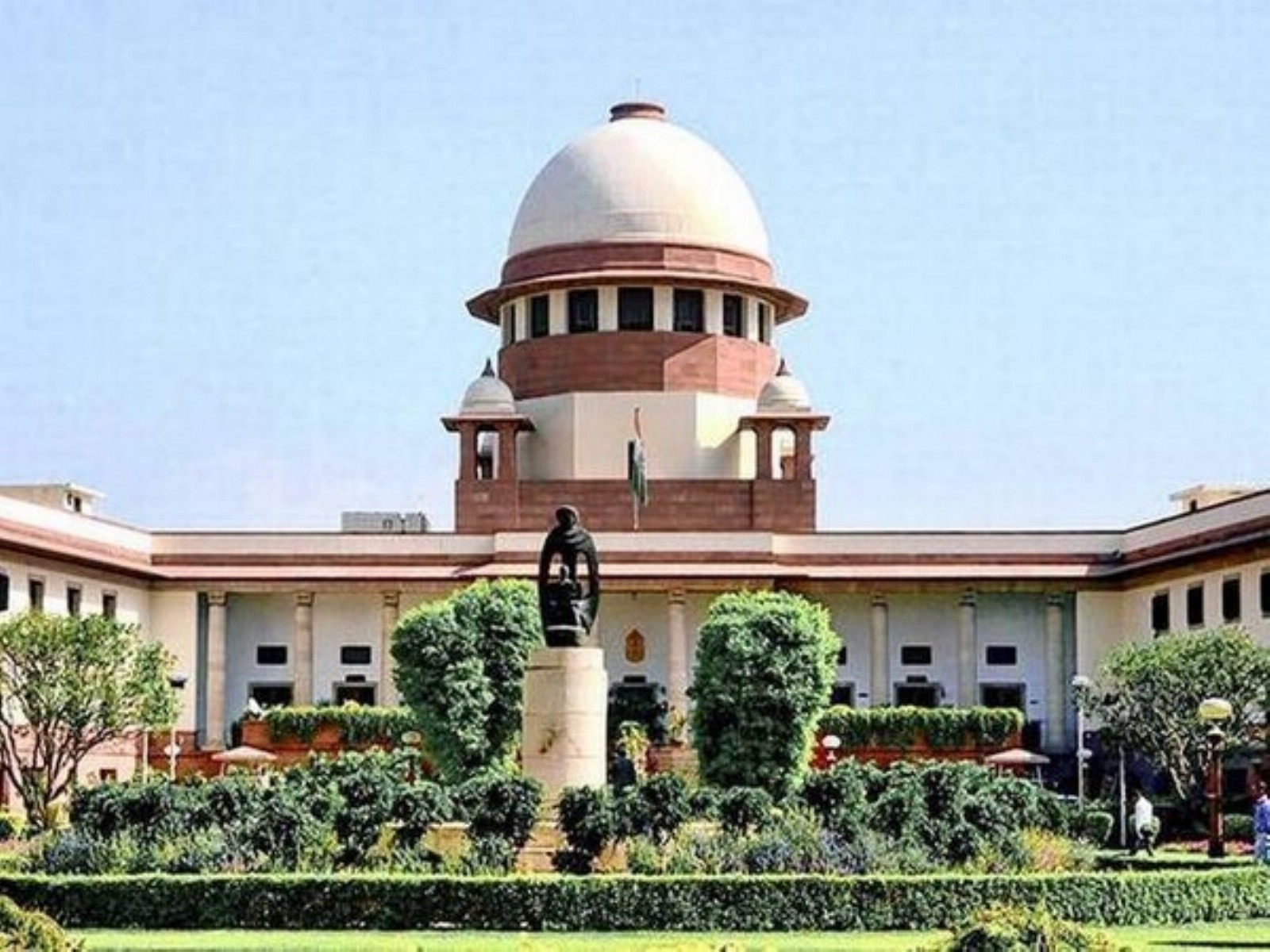
New Delhi [India], August 31 : The Supreme Court on Monday dismissed a public interest litigation (PIL) seeking greater transparency in the sale of ethanol-blended petrol, including a direction to petrol pumps to prominently disclose the exact ethanol content in fuel and specify the same on receipts and invoices issued to consumers.
A bench of Justices MM Sundresh and PB Varale dismissed the plea filed by advocate Narendra Goswami, while granting him liberty to approach the concerned High Court.
The plea sought directions to petrol pumps to prominently display the precise percentage of ethanol blended in petrol. It also sought a direction that the ethanol content be specifically mentioned on receipts and invoices issued to consumers at fuel stations.
During the hearing, Goswami told the bench that he was not challenging the government's ethanol-blending policy but was only seeking the right of consumers to know the composition of the fuel they were purchasing.
"I have a right to be informed. If I buy petrol, there is no mention of E20," Goswami submitted.
The Attorney General of India, R Venkataramani, representing the Centre, however, pointed out that the Supreme Court had already dismissed pleas challenging the government's ethanol-blending policy.
Goswami clarified that his plea was limited to disclosure and transparency. "I am not challenging the policy. I just want to know. I have the right to know," he said.
He compared the demand to the disclosure of ingredients on packaged food products.
"Even when we buy a packet of biscuits, we know the ingredients," Goswami submitted.
Goswami also referred to the Centre's earlier submissions before the court, saying that the Attorney General had previously described the ethanol-blending programme as an "experiment" and had subsequently provided a clarification.
The bench, however, declined to entertain the PIL and dismissed it, while leaving it open to Goswami to approach the competent authority with his grievance.